Grease Trap vs. Grease Interceptor: What's the Difference and Which Does Your Kitchen Need?
Commercial kitchens in the UAE generate large amounts of fats, oils, and grease (FOG) every day. Without the proper grease management system, restaurants, cafés, hotels, and catering facilities can face severe drainage blockages, foul odors, plumbing failures, and municipality compliance issues.
One of the most common questions business owners ask is: Grease Trap vs. Grease Interceptor — which system is best for my kitchen?
Understanding the difference between these two systems is critical for maintaining hygiene, meeting Dubai municipality grease trap requirements, and protecting your commercial kitchen operations.
Whether you are opening a new restaurant in Dubai, upgrading your kitchen infrastructure, or looking for a better restaurant grease management solution, choosing the correct system can save your business from expensive repairs and compliance penalties.
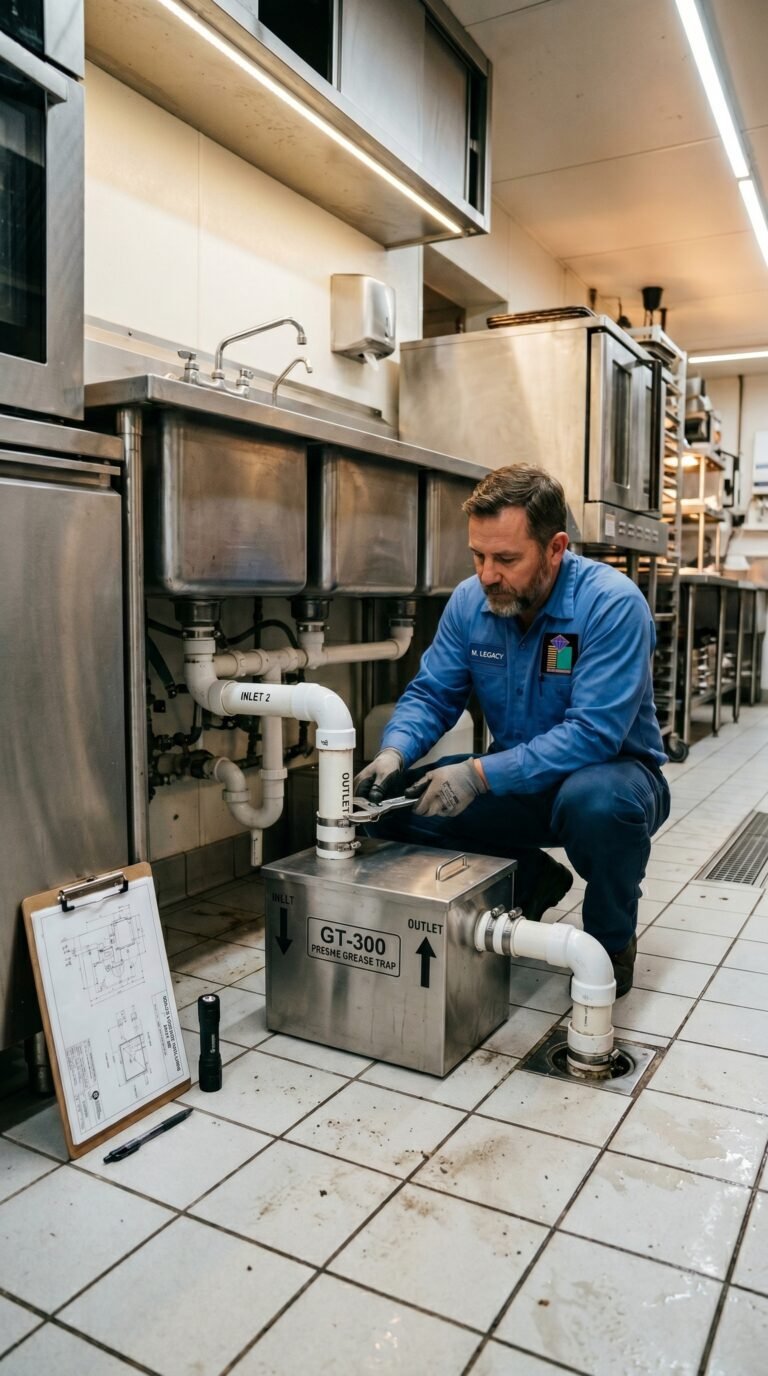
A grease trap is a plumbing device designed to separate fats, oils, and grease from wastewater before they enter the drainage system.
Grease traps are commonly installed inside kitchens, usually under sinks or near dishwashing stations. They are smaller in size and ideal for businesses with moderate grease production.
How Grease Traps Work
When wastewater flows into the grease trap:
- Grease and oil float to the surface
- Solid food particles settle at the bottom
- Cleaner water flows into the drainage system
This process helps reduce drain blockages and supports proper restaurant grease management.
Common Applications for Grease Traps
Grease traps are commonly used in:
- Small cafés
- Coffee shops
- Snack bars
- Small restaurants
- Bakery kitchens
- Small food preparation areas
Businesses looking for grease trap installation Dubai services often choose grease traps because they are compact and cost-effective.
What Is a Grease Trap?
What Is a Grease Interceptor?
A grease interceptor is a larger external grease management system designed for high-volume commercial kitchens.
Unlike standard grease traps, grease interceptors are usually installed underground outside the building and can handle significantly larger wastewater volumes.
A grease interceptor UAE system is commonly used in large-scale food operations that generate heavy grease loads daily.
How Grease Interceptors Work
Grease interceptors use a multi-compartment design to separate grease from wastewater more efficiently.
The larger size allows:
- Longer wastewater retention time
- Better grease separation
- Higher storage capacity
- Improved heavy-duty FOG control
Common Applications for Grease Interceptors
Grease interceptors are ideal for:
- Hotels
- Large restaurants
- Cloud kitchens
- Hospitals
- Catering facilities
- Industrial food factories
- Large commercial kitchens
Businesses requiring grease interceptor installation Dubai services usually operate high-capacity kitchens with strict municipality compliance requirements.
Grease Trap vs. Grease Interceptor: Side-by-Side Comparison
When weighing a grease trap vs. grease interceptor, the right choice depends on your kitchen size, daily meal volumes, drainage configuration, and local municipal requirements. Here is a detailed comparison to help you decide:
| Factor | Grease Trap | Grease Interceptor |
|---|---|---|
| Also Known As | Passive grease trap, GRD, under-sink trap | Large-capacity interceptor, LCGI, outdoor interceptor |
| Typical Size | 35 – 150 liters | 500 – 10,000+ liters |
| Location | Indoor, under-sink or near source | Underground, exterior to building |
| Best For | Small cafés, kiosks, low-volume kitchens | Hotels, hospitals, large restaurants, cloud kitchens |
| Cleaning Frequency | Weekly (manual cleaning) | Monthly or quarterly (licensed pump-out) |
| Installation Cost (UAE) | AED 800 – 3,000 (supply & fit) | AED 8,000 – 50,000+ (supply, excavation, fit) |
| Maintenance Cost | Low (DIY or basic service) | Higher (licensed waste contractor required) |
| UAE Municipality Approval | Required for new F&B fit-outs | Mandatory for large volume & hotel kitchens |
| FOG Removal Efficiency | 70 – 85% (typical) | 85 – 98% (typical) |
| Grease Capacity Retained | Fills quickly; needs frequent emptying | Longer retention; safer for high-output kitchens |
| Risk of Overflow | High if neglected | Lower risk with proper maintenance schedule |
| Suitable for Dishwasher | Yes (low-temp units) | Yes, including high-temp commercial dishwashers |
Size and Capacity
The biggest difference in the Grease Trap vs. Grease Interceptor comparison is capacity.
Grease traps handle smaller wastewater flow, while grease interceptors are built for heavy-duty operations.
Installation Location
Grease traps are usually installed inside kitchens.
Grease interceptors are installed outside the building, often underground, to accommodate larger capacities.
Maintenance Requirements
Grease traps generally require more frequent cleaning because of their smaller storage capacity.
Grease interceptors require scheduled pumping and professional maintenance due to their larger size.
Performance Differences
For restaurants with high grease output, grease interceptors provide superior long-term performance and drainage protection.
Which System Is Best for Different Types of Kitchens?
Choosing between a grease trap and interceptor depends on kitchen size, operational volume, and municipality requirements.
Small Cafés and Coffee Shops
Small cafés typically benefit from grease traps because:
- Lower grease production
- Smaller kitchen layouts
- Limited wastewater flow
- Lower installation costs
Medium Restaurants
Mid-sized restaurants may use either system depending on kitchen activity and seating capacity.
Professional consultation is recommended before selecting the correct commercial kitchen grease system.
Hotels and Large Restaurants
Hotels and high-volume restaurants usually require grease interceptors due to:
- Heavy grease discharge
- Continuous kitchen operations
- Large drainage demand
- Municipality compliance standards
Industrial Food Facilities
Food production factories and industrial kitchens almost always require large grease interceptor UAE systems.
These facilities generate significant FOG volumes that exceed standard grease trap capacity.
Installation Requirements in Dubai and UAE
Dubai and UAE municipalities enforce strict grease management standards for commercial kitchens.
Businesses operating without proper grease systems may face:
- Fines
- Compliance notices
- Drainage violations
- Hygiene issues
- Operational disruptions
Dubai Municipality Grease Trap Requirements
Most commercial kitchens in Dubai are required to install approved grease management systems.
Requirements may include:
- Proper system sizing
- Approved installation standards
- Regular maintenance schedules
- Waste disposal documentation
- Municipality inspections
Commercial Kitchen Compliance Standards
Commercial kitchens must ensure:
- Proper wastewater flow management
- Safe grease disposal
- Routine cleaning records
- Drainage system protection
Professional grease trap installation Dubai services help businesses remain compliant with local regulations.
Maintenance and Cleaning Comparison
Maintenance is one of the most important aspects of the Grease Trap vs. Grease Interceptor decision.
Grease Trap Maintenance
Grease traps generally require:
- Frequent inspections
- Regular grease removal
- Manual cleaning
- Monthly or biweekly service
Grease Interceptor Maintenance
Grease interceptors require:
- Scheduled pumping services
- Vacuum tanker cleaning
- Professional maintenance teams
- Long-term preventive maintenance plans
Professional grease trap cleaning services help businesses maintain operational efficiency and avoid emergency plumbing issues.
Cost Comparison
Cost is another major factor when comparing Grease Trap vs. Grease Interceptor systems.
Grease Trap Costs
Grease traps usually involve:
- Lower installation costs
- Lower initial investment
- More frequent cleaning expenses
They are often suitable for smaller businesses with limited budgets.
Grease Interceptor Costs
Grease interceptors generally involve:
- Higher installation costs
- Excavation and external plumbing work
- Larger maintenance operations
However, they provide better long-term performance for large commercial kitchens.
Long-Term Operational Considerations
Although grease interceptors cost more initially, they may reduce long-term plumbing risks and drainage failures in high-volume kitchens.
Common Mistakes Businesses Make When Choosing Grease Systems
Many businesses select the wrong grease management system because they focus only on installation cost.
Choosing an Undersized System
An undersized system can lead to:
- Frequent overflow
- Drain blockages
- Compliance problems
- Expensive repairs
Ignoring Future Expansion
Restaurants planning future growth should choose systems that can handle increased kitchen volume.
Poor Maintenance Planning
Even the best grease system will fail without proper maintenance.
Routine grease trap cleaning services are essential for long-term performance.
Hiring Unqualified Contractors
Improper installation can create serious operational and municipality compliance issues.
Always work with experienced UAE grease management specialists.
Why Professional Consultation Matters
Professional consultation helps businesses avoid expensive installation mistakes.
An experienced contractor can assess:
- Kitchen size
- Wastewater volume
- Municipality requirements
- Drainage infrastructure
- Maintenance needs
Professional grease interceptor installation Dubai providers can recommend the most suitable system for your business.
How to Choose the Right Grease Management Solution
When evaluating Grease Trap vs. Grease Interceptor systems, consider the following:
Kitchen Size
Larger kitchens generally require interceptors.
Daily Grease Output
High grease production demands higher-capacity systems.
Municipality Requirements
Local regulations may influence the type and size of system required.
Maintenance Budget
Consider long-term service and cleaning requirements.
Available Installation Space
Indoor kitchens with limited space may require compact grease traps.
Why Professional Grease Management Services Matter in UAE
UAE commercial kitchens operate under strict hygiene and drainage standards.
Professional service providers help businesses with:
- Grease trap installation Dubai
- Grease interceptor UAE solutions
- Routine cleaning
- Emergency pumping
- Compliance inspections
- Maintenance contracts
Experienced contractors understand local operational requirements and municipality expectations.
Conclusion
Understanding the differences between a grease trap and a grease interceptor is essential for maintaining an efficient, compliant, and hygienic commercial kitchen in the UAE.
Choosing the correct system helps businesses:
- Prevent drainage problems
- Maintain smooth operations
- Meet municipality requirements
- Protect kitchen infrastructure
- Avoid costly repairs and penalties
Whether you operate a café, restaurant, hotel, cloud kitchen, or industrial food facility, professional guidance can help you select the ideal grease management solution for your needs.
Need Help Choosing the Right System for Your UAE Kitchen?
Our UAE-certified grease management specialists can assess your kitchen, advise on Dubai Municipality or Abu Dhabi compliance, and provide a full supply-and-install solution — from small cafés to large hospitality projects.
Contact us today on WhatsApp | Call | Email
Phone: +971 55 996 3058
Email: info@bluediamondfm.com
Most Frequently Asked Question
A grease trap is a smaller indoor grease separation unit designed for low to moderate grease production. A grease interceptor is a larger external system designed for high-volume commercial kitchens.
The best system depends on kitchen size, wastewater volume, and operational demands. Small restaurants may use grease traps, while large restaurants often require grease interceptors.
Large commercial kitchens in Dubai may require grease interceptors to meet municipality drainage and hygiene regulations.
Most grease traps require cleaning every one to four weeks depending on kitchen usage and grease production.
Poor maintenance can cause:
- Drain blockages
- Foul odors
- Pest infestations
- Overflow incidents
- Municipality fines
- Business disruptions
Costs vary depending on system size, kitchen requirements, excavation work, and municipality specifications.
Our Services
Our step-by-step guide simplifies the cleaning process, ensuring a hassle-free experience while keeping your traps clean.
Drain Line Jetting
Pest Control Service
Deep Cleaning
business
Our Working Process
Let’s start the journey towards success and enhance revenue for your business. Take your company to the next level.
Book An Appointment Today
Blue Diamond would like to hear from you. if you have business inquiries. Get in touch with us.