
Grease Trap Rules in UAE Free Zones (DIFC, DMCC, JAFZA): Who Regulates Your Kitchen?

A restaurant manager in a free zone asks a simple question: “Which rules apply to my grease trap?” The answer depends on who licenses your business, who owns the building and where your kitchen sits. That surprises many operators who assumed a free zone meant one separate rulebook for everything.

In practice, free zones work in layers. One authority issues your trade license, another may approve your fit-out, a food safety authority inspects your kitchen, and the landlord or master developer adds its own technical rules. Grease trap rules in UAE free zones come from that combination, not from a single document.

This guide explains how the layers stack, which questions to ask for DIFC, DMCC and JAFZA, how to confirm exactly what applies to your unit before you commit to a lease or fit-out, and how to run your trap properly once you open.

For any free zone kitchen, work through these separately:

  1. Who licenses my business? The free zone authority, or the mainland economic department.
  2. Who approves my premises and fit-out? The zone’s building and community rules, the landlord, the master developer and any government approval your kitchen needs.
  3. Who inspects my food safety, drainage and waste? A food safety authority, an environmental health body, the sewer operator or the building manager.

The answers can point to different bodies, and your grease trap touches all three: it appears on your fit-out drawings, it is checked during food safety inspections and it connects to a drainage network someone else may own.

You should also document how compliance is demonstrated and maintained over time. Service records, waste disposal manifests, and inspection reports provide evidence that the system is being managed correctly and can be invaluable during audits or regulatory reviews.

Just as importantly, stakeholders should know what to do when issues are identified. Clear escalation procedures, responsibilities, and response timeframes help ensure that blocked, damaged, or undersized systems are addressed before they become operational or compliance risks.

Three Questions to Answer First

Grease Trap Rules in UAE Free Zones | DIFC, DMCC & JAFZA

A few points hold true across most free zone kitchens:

  • A free zone license doesn’t replace the food safety permit: One free zone’s own guidance explains that Dubai Municipality Food Safety Department approval is required after the free zone license is issued and before any food service begins, with operators registering on the FoodWatch platform. Other business-setup guides confirm that a Dubai Municipality food permit is still required for free zone food businesses. 
  • Each zone sets its own building and safety rules: Every free zone authority has its own guidelines for restaurant setup, safety standards and building regulations, so a rule that applies in one zone may not apply in the next. 
  • Your license and your premises can sit in different regimes: A free zone food and beverage license is limited to premises inside that zone, and many restaurants in free zone districts actually hold mainland licenses. Confirm which one you hold, because it changes who you deal with. 
  • Layouts and grease traps are reviewed at design stage: In Dubai, the kitchen layout plan is submitted and approved before fit-out begins, and the fit-out then follows technical specifications covering ventilation, drainage, grease traps, waste management and fire suppression. A grease trap shown on the layout is typically expected to be correctly sized and accessible for servicing. 
  • Some regulators publish their own operating requirements: Trakhees, the regulatory arm of the Ports, Customs and Free Zone Corporation, sets requirements that include compliance with its Environment, Health and Safety expectations and a Civil Engineering modification NOC or permit before any fit-out works.

How Approvals Typically Work

A Working Map of the Layers

Use this table to organise your questions for any free zone unit.

LayerWho It May BeWhat to Ask
Trade licensingThe free zone authority, or the mainland economic departmentIs my activity permitted in this zone and at this address?
Building, fit-out and design rulesThe zone authority, master developer, community or building managementWhat are your F&B fit-out guidelines for grease management and MEP?
Civil engineering and EHS approvalsIn some zones, a regulatory arm such as TrakheesDo I need a modification NOC or permit, and which EHS requirements apply?
Food safety permit and inspectionsThe food safety authority, such as Dubai Municipality in DubaiIs my layout approved, and what must the grease trap drawing show?
Drainage and wastewaterThe network operator, landlord or master developerWho owns and maintains the shared lines and any central interceptor?
Waste disposalAuthorised FOG waste collectorsIs my contractor licensed to collect and dispose of this waste?
Fire and safetyThe civil defence authorityWhich approvals apply to my kitchen and extraction?

DIFC, DMCC and JAFZA: What to Check in Each

Requirements vary by zone, building and license type. Here is what to check in each of the best-known zones.

DIFC

  • Fit-out and design guidelines: from the DIFC authority and the building’s landlord or manager, which usually cover MEP, kitchen extraction, drainage and grease management
  • Food safety approval and layout review: through the food safety authority, since a free zone license doesn’t replace it
  • Building-specific rules: for each tower or retail unit, including shared drainage and service access
  • Ownership of any central interceptor: especially in mixed-use buildings with several food and beverage tenants

DMCC (Including the JLT Area)

  • The zone’s guidelines and each individual building’s rules: since JLT towers and podiums are managed by different owners and facilities teams
  • Your license type: Many outlets in this district hold mainland licenses rather than free zone ones, so confirm which regime you are under
  • Food safety permit and layout approval: through the food safety authority
  • Shared drainage and grease management: arrangements agreed with the building manager

JAFZA and Other PCFC-Area Zones

  • Whether your unit falls under Trakhees: and if so, what its operational and EHS requirements say- see our guide to Trakhees grease trap requirements for a detailed look.
  • A Civil Engineering modification NOC or permit: before any fit-out works, where applicable
  • Industrial and logistics context: staff canteens, catering units and food businesses in industrial zones have different layouts and drainage from restaurants in towers
  • Landlord and warehouse operator rules: covering drainage, access and waste
Grease Trap Rules in UAE Free Zones | DIFC, DMCC & JAFZA

What Stays the Same Wherever You Operate

Whatever the regulator, the practical grease trap fundamentals are consistent, and following them keeps you in good standing in every zone:

  • A correctly sized trap: for your kitchen’s output, shown on your approved drawings
  • Accessible installation: with room for pumping and inspection
  • Approved materials and connections: that match the building specification
  • Floor drains and pre-rinse sinks routed through the trap
  • A cleaning schedule: matched to your grease output, followed and recorded
  • Authorised disposal: of waste through a licensed collector
  • Dated service records: and waste documents kept ready for inspection

How to Find Out Which Rules Apply to Your Unit

    1. Gather your license details: Note which authority issued it and what activity and premises it covers.
    2. Request the F&B fit-out guidelines from the landlord or building manager: before you sign the lease, including grease management, shared drainage and any central interceptor.
    3. Ask the zone authority: which approvals apply to a kitchen fit-out and who reviews them.
    4. Confirm the food safety route: Find out which authority issues your food permit and what your layout and grease trap drawings must show.
    5. Check for a regulatory arm: such as Trakhees, and ask whether its EHS or civil engineering requirements apply to your unit.
    6. Find out who owns and maintains: the shared drains, central interceptor and pump stations, and how costs are recovered.
    7. Record every answer in writing: and keep it with your lease, drawings and approvals.

Questions to Ask Before You Sign a Lease or Start a Fit-Out

To the landlord or building manager

  • Is there a central grease interceptor, and who services it?
  • What size and type of tenant trap does your fit-out manual require?
  • Where will my trap be located, and how and when can contractors reach it?
  • Which approvals do you need before and after fit-out?

To the zone or regulatory authority

  • Which approvals apply to my kitchen, and where do I submit them?
  • Which authority inspects food safety, and which inspects drainage and waste?
  • Are there zone-specific requirements for grease management or FOG disposal?

To your contractor and consultant

  • Have you worked in this zone or building before?
  • Can you show a compliant trap layout and service plan for a similar unit?
  • Are you licensed to collect and dispose of FOG waste?

Fit-Out Stage: Get the Trap Right on Paper

The cheapest time to solve a grease trap problem is during design:

  • Size the trap properly: from your menu, seating and equipment, not from a generic estimate
  • Show it on the layout: with access and clearances
  • Agree the connection point and routing: with the landlord
  • Check floor levels and drainage falls: particularly in basements and podium levels
  • Allow for the approvals timeline: since changes after approval can restart review processes
  • Plan service access: for pumping equipment, including lifts, corridors and permitted working hours

Retrofitting a trap after fit-out costs more and delays opening, which is why settling it in the drawings is the standard advice.

After You Open: Run It as a System

Once you’re trading, a free zone kitchen needs the same discipline as any other:

Typical Service Intervals

Follow any interval set in your approved conditions or by the relevant authority. As a starting point:

Kitchen TypeTypical Interval
High-volume fried or grilled cuisineEvery 2 to 4 weeks
Standard full-service restaurantsEvery 4 to 6 weeks
Cafés and low-oil outletsEvery 6 to 8 weeks
Staff canteens and catering unitsEvery 2 to 4 weeks
Cloud kitchens with several brandsEvery 2 to 4 weeks

Operators With Outlets in Several Zones

If you run outlets across DIFC, JLT, an industrial zone and the mainland, you are managing several compliance regimes at once. These habits keep that manageable:

  • Keep a register: of each unit’s license, authority, landlord and building rules
  • Set an internal standard: at the strictest level you face
  • Use one contractor: with consistent reporting, provided they have experience in each zone
  • Name a compliance owner: for every site
  • Review the fit-out manual: whenever a unit changes or renews
  •  

Common Mistakes to Avoid

  • Assuming a free zone license covers food safety
  • Assuming the same rules apply in every free zone
  • Signing the lease before reading the fit-out manual
  • Choosing a trap size without checking the building specification
  • Not knowing who owns the central interceptor or shared lines
  • Using a contractor with no experience of the zone’s access rules
  • Skipping disposal documentation
  • Relying on verbal answers instead of written confirmation
  •  

Choosing a Grease Trap Contractor for a Free Zone Kitchen

Look for a provider who can show:

  1. A valid trade license and authorisation to handle and dispose of FOG waste
  2. Experience in your zone or building type
  3. Familiarity with access rules, permits and working-hour restrictions
  4. Itemised pricing and a written scope of work
  5. A service certificate and disposal record after every visit
  6. Emergency response commitments
  7. Public liability insurance

See our contractor selection guide for a fuller checklist.

Know Your Layers Before You Build

The real question isn’t “what are the grease trap rules in UAE free zones?” but “which rules apply to my unit?” Work out who licenses you, who approves your premises and who inspects your kitchen, put the answers in writing, then size, install and maintain your trap to the strictest of them.

Book a free grease trap and compliance assessment with Blue Diamond Today. They will review your unit, help you identify which requirements apply and set up a documented service schedule with authorized disposal, for restaurants and food businesses in free zones across the UAE.

Contact us today on WhatsApp | Call | Email

Phone: +971 55 996 3058

Email: info@bluediamondfm.com

Most Frequently Asked Question

Many free zones set their own fit-out and building requirements, and some have a regulatory arm with its own environment, health and safety requirements. A free zone license doesn’t replace the food safety approval, so you usually need to satisfy several sets of requirements. Check each layer for your own unit.

Food businesses in Dubai free zones generally still need the food safety department’s approval before they operate, and operators register on its digital platform. Confirm the exact process for your unit with the relevant authorities.

It depends on the zone and the premises. Food safety inspections generally come from the food safety authority, while building managers, zone authorities or regulatory arms may check drainage, EHS and fit-out compliance. Ask each one what it inspects.

Not exactly. Trakhees is the regulatory arm of the Ports, Customs and Free Zone Corporation and publishes its own operational requirements for establishments it regulates. Whether your unit falls under it depends on its location and license, so confirm with the authorities.

Usually the landlord, master developer or building manager, though it depends on your lease and the building’s operating agreement. Ask in writing before you sign.

Request the F&B fit-out guidelines, find out whether there is a central interceptor and who services it, confirm which authority issues your food permit and check the grease trap size and access requirements for your unit. Get every answer in writing.

Our Services

Our step-by-step guide simplifies the cleaning process, ensuring a hassle-free experience while keeping your traps clean.

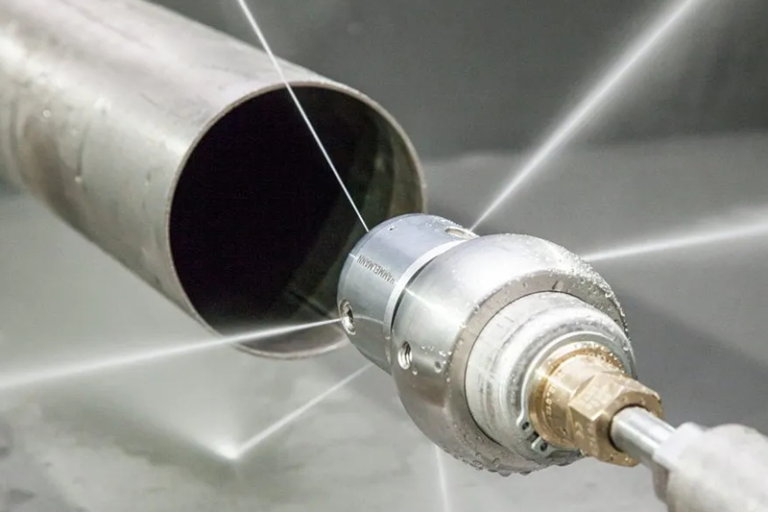
drain line jetting machine image

Drain Line Jetting

We deliver the best solution and provide a business strategy that makes you a full professional.
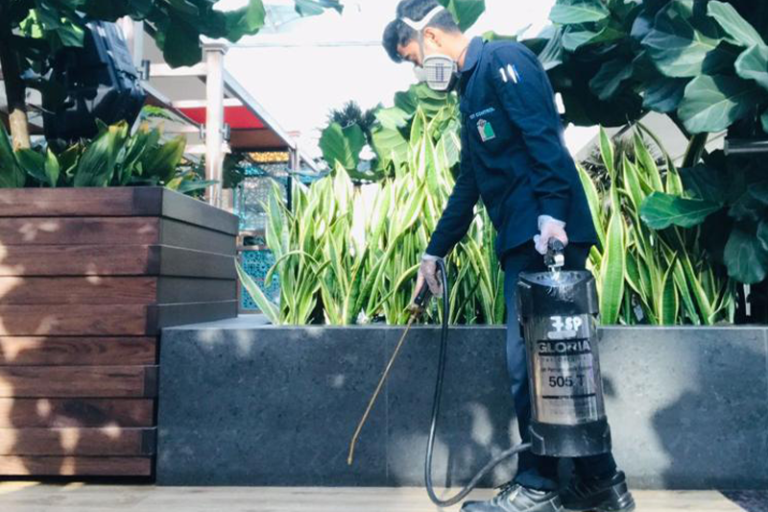
Man doing pest control with spray image

Pest Control Service

Pest control services are professional solutions offered to manage and eradicate pests that can pose a threat to property, health, or the environment.
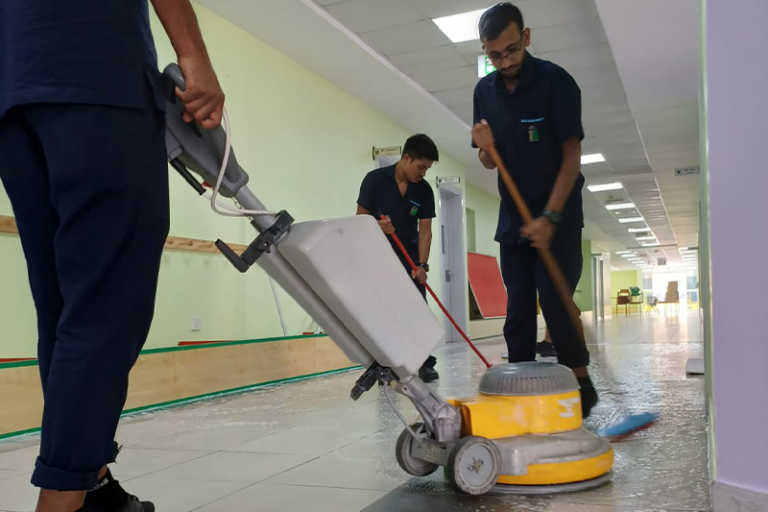
A group of people are providing deep cleaning service along with the dosing machine Image

Deep Cleaning

We deliver the best solution and provide a business strategy that makes you a full professional.

Why Choose Us

Grease Trap Cleaning UAE

31 years of expertise

Renowned name in facility management

New Technology

We are using latest techniques and technology

Customized Plans

We provide AMC & On call service

Satisfied Clients

40k+ clients trust our expertise

Book An Appointment Today

Blue Diamond would like to hear from you. if you have business inquiries. Get in touch with us.

Leave a Reply

Your email address will not be published. Required fields are marked *