UAE Restaurant Compliance Checklist: Food Safety Requirements for Restaurants
An inspector walks into your kitchen unannounced. Within twenty minutes they will have looked at your licenses, your records, your fridges, your staff’s hands, your drains, your storage and the underside of your equipment. Restaurants that pass comfortably aren’t luckier or cleaner than the ones that struggle. They are more organised: they know what’s required, they check it regularly, and they can prove it.
This UAE restaurant compliance checklist brings the main food safety requirements into one practical list: what the framework looks like, what to check across ten areas of your operation, which records to keep, and how to run a mock inspection before a real one arrives.
Note: this is a general guide, not legal advice. Requirements differ by emirate, authority and type of premises, and they change. Always confirm the current rules with your local authority.
Food safety in the UAE sits on a federal framework with local enforcement.
- At federal level, the core legislation is Federal Law No. 10 of 2015 on Food Safety, supported by executive regulations.
- Each emirate enforces its own detailed rules through its own authority. In Dubai that’s the Dubai Municipality Food Safety Department, in Abu Dhabi the Abu Dhabi Agriculture and Food Safety Authority (ADAFSA), and in other emirates the local municipality or equivalent.
- Free zones and master developments may have their own authority and requirements on top.
In Dubai, sources describe a two-track process: a trade license through the Department of Economy and Tourism and a separate food establishment license through the Dubai Municipality Food Safety Department. The Dubai Food Code, as described by industry sources, requires every food establishment to maintain a documented, Dubai Municipality-approved food safety program based on HACCP principles and to have at least one certified Person in Charge.
Other emirates have run their own programs; for example, Sharjah Municipality has operated a food safety program that awards hygiene certification to qualifying restaurants and extends to HACCP-based requirements. Programmes evolve, so check the current position with your own authority.
The Regulatory Landscape in Brief
Work through the ten sections below with a pen in hand. Mark each item Yes, No or Not sure. Every “No” and “Not sure” is a task. Repeat the exercise monthly for the day-to-day items and annually for the structural ones.
1. Licensing and Approvals
☐ Trade license is valid, and the activity code matches what you actually do
☐ Food establishment license or permit from the relevant food authority is valid and displayed where required
☐ Premises layout and kitchen plan were approved before fit-out and the building matches the approved plan (sources note Dubai Municipality reviews and approves the kitchen layout before construction or installation begins)
☐ Any additional approvals for your activity (catering, delivery, outdoor seating, alcohol, shisha, central kitchen) are in place
☐ Registration on any mandatory digital food safety platform is current (for example, in Dubai, sources state every food establishment must register on Dubai Municipality’s FoodWatch platform)
☐ Landlord, mall or building fit-out requirements have been met
☐ Renewal dates for every license and certificate are in one calendar
How to Use This Checklist
2. Premises and Kitchen Design
☐ Clear separation between raw and ready-to-eat areas, and between clean and dirty flows
☐ Floors, walls and ceilings are smooth, intact and easy to clean
☐ Adequate handwash basins, with soap, paper towels and hot and cold water, in the right places
☐ Dedicated sinks for food preparation, utensil washing and handwashing where required
☐ Adequate ventilation and lighting, with lighting protected where required
☐ Equipment is in good repair, with no rust, cracks or damaged seals
☐ No gaps, holes or damaged door seals that let pests in
☐ Changing and toilet facilities for staff are separate, clean and stocked
3. Food Safety Management System (HACCP)
☐ A documented, HACCP-based food safety plan exists, and it matches your actual menu and process
☐ The plan has been approved or submitted to the authority where that’s required
☐ Critical control points (cooking, cooling, hot-holding, cold storage, reheating) are identified and monitored
☐ At least one certified Person in Charge is on shift (sources describe this as a core requirement in Dubai)
☐ Monitoring logs are completed daily and signed
☐ Corrective-action records show what you did when a limit was missed
☐ The plan is reviewed whenever the menu, suppliers or equipment change
☐ Staff know the plan, not just the manager
4. People: Training, Health and Hygiene
☐ Every food handler holds the required food safety certification for their role
☐ Health cards or equivalent medical requirements are valid for all food handlers (sources describe every food handler in Dubai needing a valid occupational health card, with the person responsible for food safety also completing approved Person in Charge training)
☐ New staff are trained before they handle food, and training is recorded
☐ A clear policy requires staff to report illness and stay away from food handling when unwell
☐ Clean uniforms, hair coverings and short, clean nails are enforced
☐ Handwashing is practised and supervised, with signage in place
☐ No jewellery, eating, drinking or smoking in food areas
5. Receiving, Storage and Temperature Control
☐ Deliveries are inspected for temperature, condition, labelling and packaging damage, and rejected when they fail
☐ Suppliers are approved and records of their licences and certificates are kept
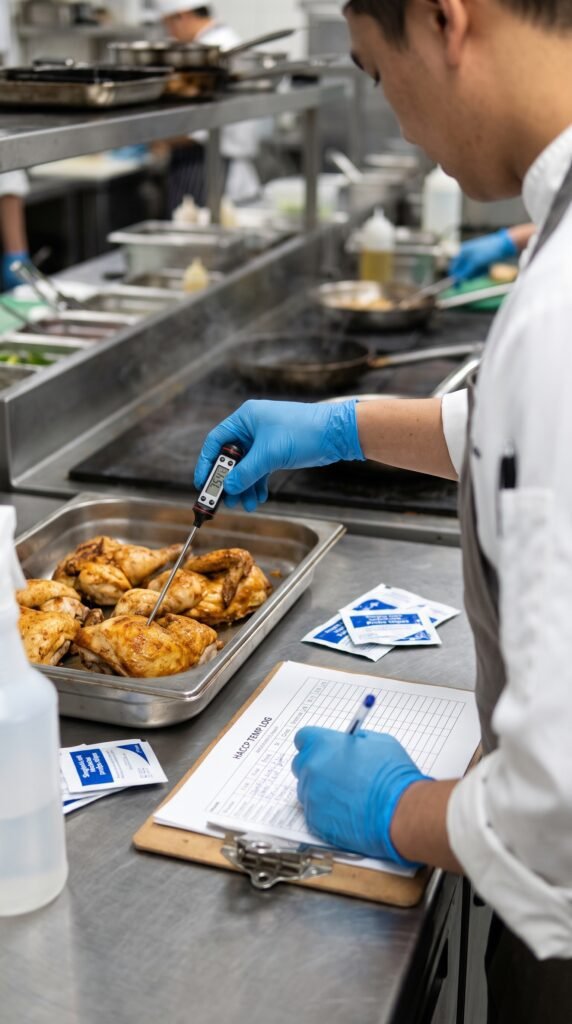
☐ Fridges, freezers and hot-holding units hold the correct temperatures, and logs prove it
☐ Thermometers and probes are calibrated, with calibration recorded
☐ Raw food is stored below ready-to-eat food, covered and labelled
☐ Stock rotation follows first-in, first-out, and date labels are used for opened and prepared items
☐ Dry goods are stored in lidded containers, off the floor, away from walls
☐ Chemicals are stored separately from food, clearly labelled, with safety data sheets to hand
6. Preparation, Cooking and Service
☐ Cooking, reheating and holding temperatures follow your plan, and are probed and recorded
☐ Cooling of cooked food is controlled and recorded
☐ Separate boards, knives and utensils for raw and cooked food, color-coded if possible
☐ Allergen information is available and accurate for every menu item
☐ Food labelling meets legal requirements, including for packaged and delivery items
☐ Ice machines and beverage dispensers are cleaned on schedule
☐ Delivery packaging and transport maintain safe temperatures
7. Cleaning and Sanitation
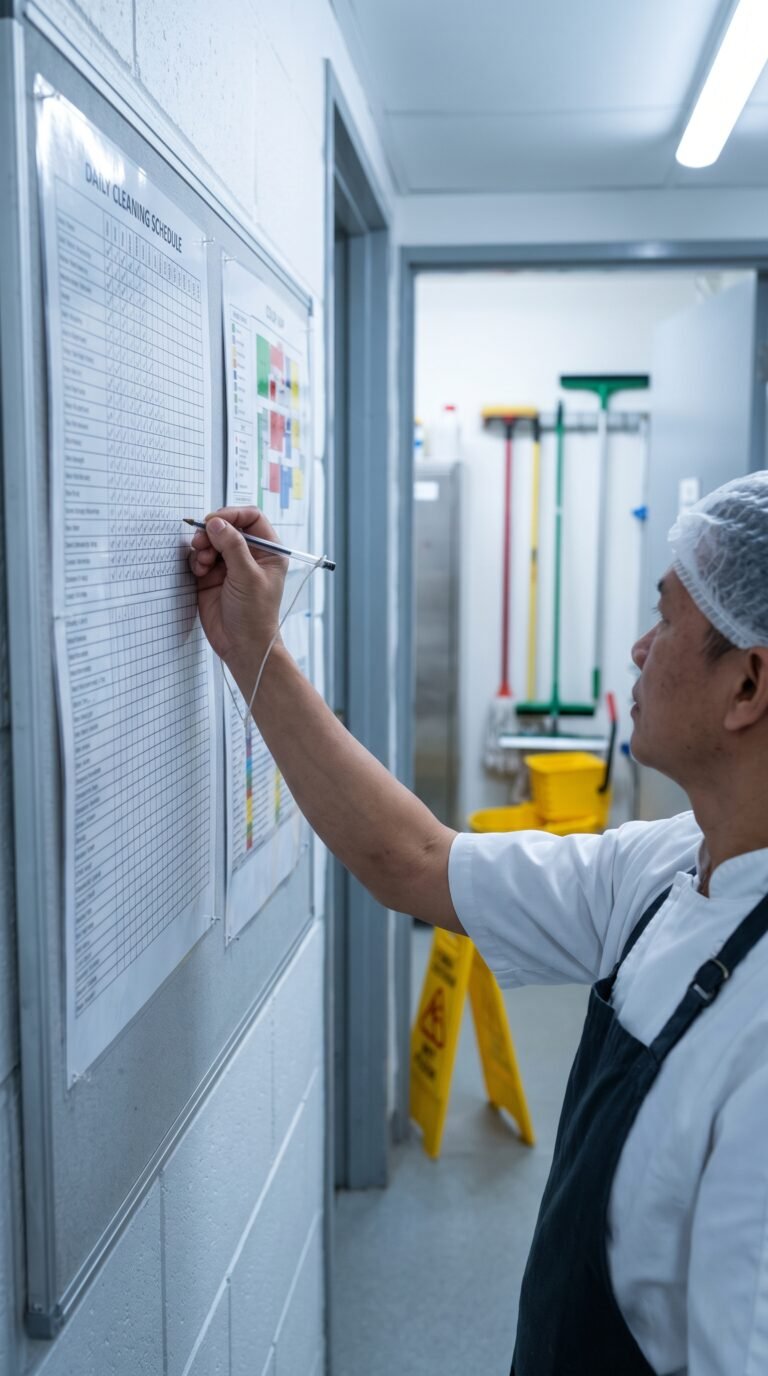
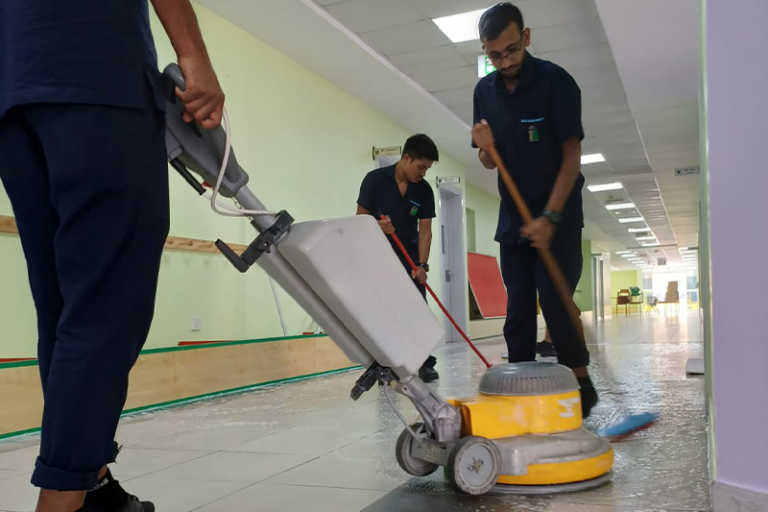
☐ A written cleaning schedule covers every area and piece of equipment, with who, how often and how
☐ Cleaning is signed off daily, with a supervisor check
☐ Chemicals are food-safe, used at the correct dilution, and staff are trained to use them
☐ Equipment is stripped and cleaned properly, including behind and under units
☐ Mops, cloths and cleaning equipment are colour-coded and stored correctly
☐ Deep-cleans are scheduled and recorded
8. Pest Control
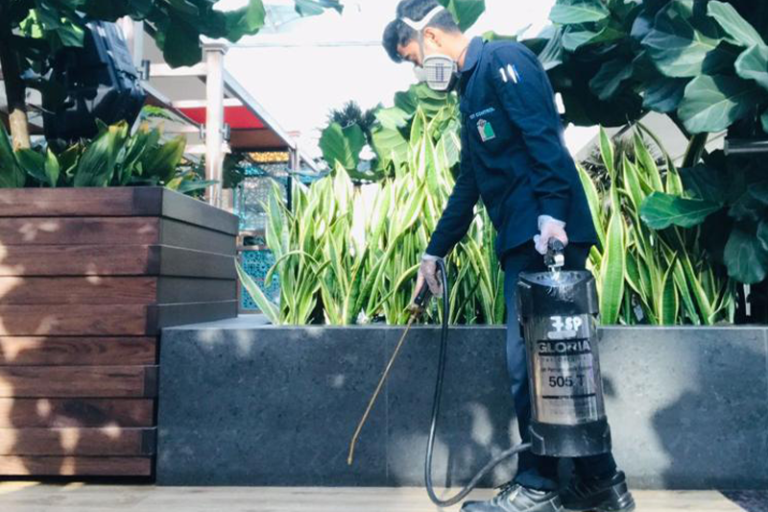
☐ A licensed pest control contractor services the premises on a scheduled program
☐ The contractor uses products registered for use in the UAE, with safety data sheets available
☐ A site plan shows monitoring points, and they are checked regularly
☐ Dated service reports are kept and available for inspection
☐ Gaps, door seals and drains are maintained, and issues raised by the contractor are fixed
☐ Waste is sealed and removed promptly, and deliveries are not left outside
☐ Staff know to report droppings, live pests or damage immediately
For a deeper guide, see our article on the best pest control solutions for restaurants and food establishments.
9. Drainage and Grease Management
☐ A correctly sized grease trap is installed, accessible and approved
☐ The trap is cleaned on a scheduled interval matched to your grease output
☐ Dated service records and waste disposal documents are kept for every visit
☐ Disposal is through an authorized contractor
☐ Floor drains are clear, covered and cleaned, and strainers are used at sinks
☐ Used cooking oil is collected by an authorized provider, never poured down the drain
☐ Recurring slow drains or odors are investigated promptly
See our guides on annual grease trap maintenance plans, the signs your trap needs cleaning and restaurant drain blockages.
10. Kitchen Exhaust, Fire Safety and Waste
☐ Kitchen hoods, filters and ducts are cleaned on a schedule by a competent contractor, with certificates
☐ Fire extinguishers, suppression systems and alarms are inspected and certified as required
☐ Emergency exits are unobstructed, signed and lit
☐ Staff know the fire and evacuation procedure, and drills are recorded
☐ Gas and electrical installations are maintained and certified as required
☐ Bins are lidded, emptied regularly and kept clean, with a clean, pest-proof waste area
☐ Recycling and waste disposal follow local rules
See our guide to kitchen hood cleaning services for what a compliant exhaust clean involves.

The Records to Keep (and Where Inspectors Look First)
A strong inspection result often comes down to paperwork. Keep these in one organised place, physical or digital:
| Record | Why It Matters |
|---|---|
| Licenses, permits and approved plans | Proof you are entitled to operate |
| HACCP plan and monitoring logs | Proof your food safety system actually works |
| Staff training and health records | Proof staff are qualified and fit to handle food |
| Temperature and calibration logs | Proof of cold and hot chain control |
| Cleaning schedules and sign-offs | Proof of sanitation |
| Pest control reports and site plan | Proof of pest management |
| Grease trap service and disposal records | Proof of drainage compliance |
| Exhaust cleaning and fire certificates | Proof of fire and safety upkeep |
| Supplier approvals and delivery checks | Proof of traceability |
| Corrective-action records | Proof you fix problems |
How long each record must be retained varies, so confirm retention periods with your authority rather than guessing.
Your Compliance Calendar
| Frequency | Examples |
|---|---|
| Every shift | Temperature checks, handwashing, cleaning sign-off, delivery checks |
| Weekly | Stock rotation review, equipment cleaning, bin and drain checks |
| Monthly | Pest control visit and report review, internal mock inspection, training top-ups |
| Every 2–8 weeks (by kitchen type) | Grease trap cleaning |
| Quarterly | Exhaust and ductwork cleaning (frequency depends on cooking type), supplier review |
| Annually | License renewals, health card renewals, fire equipment certification, HACCP plan review, calibration |
Use this as a starting point and align it with your authority’s requirements and your own risk assessment.
Common Reasons Restaurants Fail Inspections
- Missing or incomplete records: even where the practice is good
- Temperature control failures: and missing logs
- Unlabeled or out-of-date food
- Poor handwashing facilities: or unsupplied basins
- Pest evidence: or no pest control records
- Grease trap and drainage problems
- Dirty equipment, hoods and filters
- Expired health cards or certifications
- Chemicals stored near food
- Structural defects: such as damaged seals, flooring and walls
Almost every item on this list is preventable with a routine and a record.
Run a Mock Inspection Every Month
- Walk the premises: from receiving to dining room using this checklist
- Check records first: because that’s where most failures are found
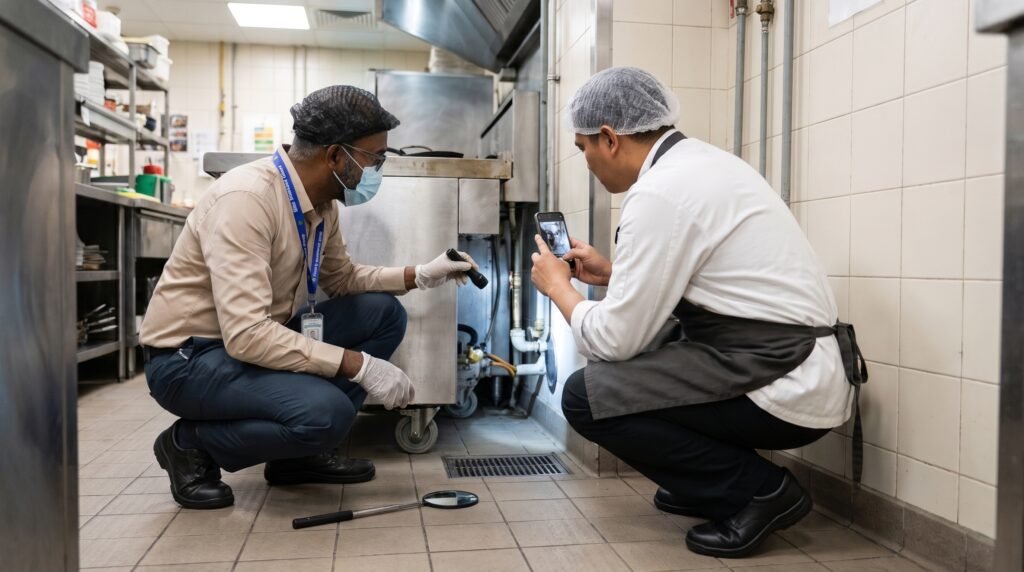
- Look where inspectors look: under equipment, behind fridges, inside drains and in dry stores
- Photograph issues: and assign each to an owner with a date
- Close the loop: re-check fixed items at the next inspection
- Keep the results: as evidence of continuous improvement
Operating in More Than One Emirate?
Groups with outlets across emirates should:
- Map each site’s authority and requirements: since they differ
- Use a common internal standard: set to the strictest requirement
- Centralise records: so each outlet’s documents are always available
- Appoint a compliance owner: for each site
- Use consistent suppliers and contractors: where possible, with reporting in one format
Make Compliance a Routine, Not a Panic
A good UAE restaurant compliance checklist doesn’t make you compliant by itself. The routine behind it does: checking regularly, fixing what you find, and keeping the evidence. Work through the ten areas above, make the monthly mock inspection a habit, and your next real inspection will feel like a confirmation rather than a test.
Book a free kitchen compliance walkthrough with Blue Diamond Team. They will review the pest control, grease trap and exhaust-cleaning elements of your kitchen, tell you honestly what’s missing and propose a scheduled programme with the records inspectors expect, for restaurants anywhere in the UAE.
Contact us today on WhatsApp | Call | Email
Phone: +971 55 996 3058
Email: info@bluediamondfm.com
Most Frequently Asked Question
Federal Law No. 10 of 2015 on Food Safety is the main federal legislation, supported by executive regulations. Each emirate enforces more detailed requirements through its own authority, so check your local rules.
Industry sources describe a documented, HACCP-based food safety program as a requirement for food establishments in Dubai, and other emirates have their own HACCP-related programs. Confirm the exact requirement and approval process with your authority.
Licenses, the HACCP plan and logs, temperature records, staff training and health records, cleaning schedules, pest control reports and grease trap service records. Keep them organized and accessible.
Monthly is a good rule for most restaurants, with daily checks on critical items such as temperatures and cleaning. Higher-risk or high-volume kitchens may benefit from weekly spot checks.
Yes. Pest management and drainage hygiene are standard parts of food safety inspections, and having dated, authorized records for both is a visible sign that your system is under control.
Our Services
Our step-by-step guide simplifies the cleaning process, ensuring a hassle-free experience while keeping your traps clean.
Drain Line Jetting
Pest Control Service
Deep Cleaning
business
Our Working Process
Let’s start the journey towards success and enhance revenue for your business. Take your company to the next level.
Book An Appointment Today
Blue Diamond would like to hear from you. if you have business inquiries. Get in touch with us.