Grease Trap Type C in UAE: What It Is, Who Needs It & How to Maintain It

Grease Trap Type C in UAE is a large-capacity, high-performance grease interception system mandated by UAE municipal authorities for commercial kitchens with high grease output. This guide covers everything — from specifications and compliance to maintenance schedules and supplier selection.

Serving All Emirates | Dubai • Abu Dhabi • Sharjah • Ajman • RAK • Fujairah • UAQ

If you operate a commercial kitchen in the UAE — a restaurant, hotel, hospital canteen, or food factory — you have likely heard the term Grease Trap Type C in UAE. But what exactly does it mean, and why does it matter?

A Grease Trap Type C in UAE refers to a specific classification of grease interceptor defined by UAE municipal and environmental regulatory standards. It is the largest and most robust category in the Type A, B, and C classification system used across Dubai, Abu Dhabi, Sharjah, and other Emirates.

These units are designed to intercept fats, oils, and grease (FOG) before they enter the municipal sewer network, preventing blockages, foul odors, and environmental contamination. A Grease Trap Type C in UAE is typically a passive gravity-fed system installed underground or in a dedicated chamber outside the kitchen building.

How Does a Grease Trap Type C Work?

The operating principle is straightforward but highly effective:

  • Wastewater from sinks, dishwashers, and floor drains flows into the grease trap
  • The trap slows the flow, allowing grease and oils to float to the surface
  • Solids and food particles sink to the bottom
  • The clarified water (effluent) exits through the outlet pipe to the municipal drain
  • Retained grease and solids are removed during scheduled cleaning

What Is a Grease Trap Type C in UAE?

Grease Trap Type C in UAE: What It Is, Who Needs It & How to Maintain It

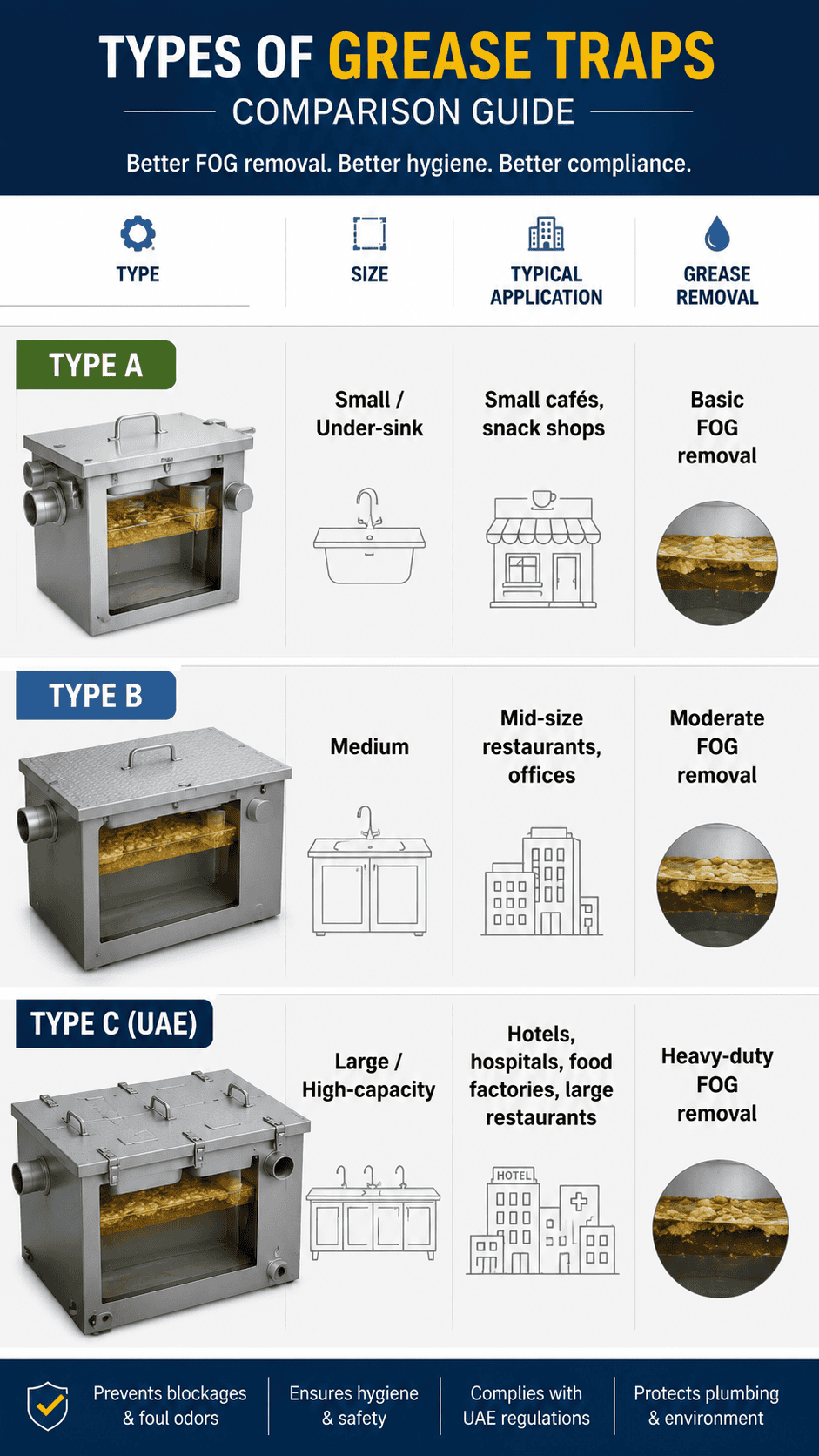
Grease Trap Classifications in UAE: Type A vs Type B vs Type C

Understanding where Grease Trap Type C in UAE sits within the broader classification system helps you determine which unit your business requires.

Classification

Capacity / Size

Typical Application

Grease Removal

Type A

Small / Under-sink

Small cafés, snack shops

Basic FOG removal

Type B

Medium

Mid-size restaurants, offices

Moderate FOG removal

Type C (UAE)

Large / High-capacity

Hotels, hospitals, food factories, large restaurants

Heavy-duty FOG removal

As shown above, the Grease Trap Type C in UAE is specified for high-volume food operations. It typically handles flow rates exceeding 100 litres per minute and may have holding capacities ranging from 1,000 to 10,000+ litres depending on the establishment size.

Who Needs a Grease Trap Type C in UAE?

According to UAE municipal regulations and Dubai Municipality food safety standards, a Grease Trap Type C in UAE is mandatory for establishments that produce significant volumes of FOG-laden wastewater. The following businesses typically require this classification:

Hotels and Resorts

Five-star hotels, resort properties, and serviced apartments operating multiple restaurants, banquet halls, and room service kitchens must install a Grease Trap Type C in UAE. The volume of meals served daily makes it impossible to comply with discharge limits using smaller interceptors.

Large Restaurants and Food Courts

Any restaurant seating more than 100 guests or operating industrial-scale cooking equipment is generally required to install a Grease Trap Type C in UAE. This includes standalone restaurants, mall food courts, and cloud kitchen hubs.

Hospitals and Healthcare Facilities

Hospital catering operations run 24 hours a day, preparing food for patients, staff, and visitors. This continuous production requires a Grease Trap Type C in UAE to ensure wastewater compliance throughout the day.

Food Processing and Manufacturing Plants

Food factories producing packaged goods, snacks, meat products, and dairy items generate enormous quantities of FOG. Installing a Grease Trap Type C in UAE is a legal requirement and a fundamental part of environmental management in these facilities.

Schools, Universities, and Institutional Kitchens

Educational institutions serving hundreds or thousands of meals daily will typically require a Grease Trap Type C in UAE to comply with local authority requirements.

UAE Regulations and Compliance: What You Must Know

Operating a food business in the UAE without the correct grease management system can result in fines, temporary closure, and licence revocations. Grease Trap Type C in UAE installations must comply with regulations issued by:

A correctly installed and maintained Grease Trap Type C in UAE helps businesses:

  • Pass municipal and health authority inspections
  • Avoid fines of up to AED 50,000 for non-compliant discharge
  • Maintain their food trade license without interruption
  • Demonstrate environmental responsibility to customers and partners

Approval and NOC Process

Before installing a Grease Trap Type C in UAE, most Emirates require you to submit engineering drawings to the relevant municipal authority for approval. Your contractor will typically need to:

  1. Submit a site plan showing grease trap location and dimensions
  2. Provide product specifications and material certification
  3. Obtain a No Objection Certificate (NOC) from the municipality
  4. Complete the installation under an approved civil or MEP contractor
  5. Pass a final inspection before connecting to the drainage network

Technical Specifications of a Grease Trap Type C in UAE

When sourcing a Grease Trap Type C in UAE, the technical specifications will determine performance, longevity, and regulatory acceptance. Here are the key parameters to evaluate:

Specification

Typical Range / Requirement

Flow Rate

100 – 500+ litres per minute

Holding Capacity

1,000 – 10,000+ litres

Material

GRP (Fiberglass), HDPE, or Stainless Steel

Installation

Below-ground / in-ground

Access Points

Minimum 2 manhole covers for cleaning

Inlet/Outlet Baffle

Mandatory for efficient FOG separation

Venting

Required to prevent odour and gas buildup

Temperature Tolerance

Up to 60°C inlet temperature

Compliance Standard

Dubai Municipality / Abu Dhabi DMT Approved

When selecting a Grease Trap Type C in UAE, always ask your supplier for a copy of the municipality approval letter or ESMA certification. Uncertified units may be rejected during inspection, leading to costly replacements.

Grease Trap Type C in UAE: What It Is, Who Needs It & How to Maintain It

Installation Best Practices for Grease Trap Type C in UAE

The effectiveness of a Grease Trap Type C in UAE depends heavily on correct installation. Below are the key best practices followed by certified contractors across the UAE:

Site Selection

The grease trap must be positioned as close to the kitchen drain outlets as possible to prevent grease from cooling and solidifying in the pipework before reaching the trap. Avoid locating it beneath structural footings or in areas that restrict access for cleaning vehicles.

Inlet and Outlet Pipe Sizing

Pipe diameters must match the flow rate of the kitchen operation. Undersized pipework causes backups; oversized pipes reduce the flow velocity and allow solids to settle in the wrong locations. Your MEP engineer will calculate the correct sizing based on the number of fixtures connected.

Ventilation and Odor Control

All Grease Trap Type C in UAE installations must incorporate a venting pipe connected to the open air — typically routed up through the building or terminated at least 3 meters above ground level to disperse gases safely. Activated carbon odor filters can be added for additional odor control in sensitive locations.

Access for Maintenance

The design must allow a vacuum tanker to access the unit for desludging. In basement installations, this may require a dedicated access shaft or pump-out point at ground level.

How to Maintain a Grease Trap Type C in UAE — Complete Guide

Proper maintenance is the most critical factor in keeping your Grease Trap Type C in UAE functioning efficiently and remaining compliant with municipal standards. Neglected grease traps overflow, produce foul odors, attract pests, and ultimately fail inspections.

Recommended Maintenance Schedule

Frequency

Task

Who Should Perform

Daily

Visual check for odors and backflow

Kitchen staff / supervisor

Weekly

Check inlet and outlet baffles for blockage

Maintenance team

Monthly

Measure FOG and sludge depth; clean screens

Qualified technician

Quarterly

Full desludging by vacuum tanker; inspect walls and baffles

Licensed contractor

Annually

Full structural inspection; check for cracks, corrosion, lid condition

Certified inspector

Step-by-Step Cleaning Procedure

When a licensed contractor cleans a Grease Trap Type C in UAE, the process involves:

  1. Isolating the unit from the kitchen drainage flow
  2. Removing solid waste and FOG using a vacuum tanker
  3. Pressure-washing the interior walls, baffles, and inlet/outlet pipes
  4. Inspecting baffles, lids, and structural integrity
  5. Recording the volume of waste removed and issuing a service certificate
  6. Restoring the trap to service and confirming normal flow

When to Clean More Frequently

The 25% rule is widely used: when FOG and sludge together occupy more than 25% of the grease trap’s holding volume, the unit must be cleaned immediately. During peak periods such as Ramadan, Eid, or high-season dining in UAE, your Grease Trap Type C in UAE may require cleaning twice as often as during quieter months.

Using Biological Dosing

Many operators of Grease Trap Type C in UAE systems in the UAE now use biological enzyme or bacteria dosing products. These are added to the trap on a regular schedule and help break down FOG between cleaning cycles. Biological dosing reduces odor, extends the interval between full cleanouts, and can lower long-term maintenance costs by 20–30%.

Signs Your Grease Trap Type C in UAE Needs Immediate Attention

Even with a scheduled maintenance programme, certain warning signs indicate that your Grease Trap Type C in UAE requires emergency service:

  • Slow or blocked drains in the kitchen — especially at multiple fixtures simultaneously
  • Strong sulphur or rotten egg odour from drains or the trap access point
  • Visible grease or oil in the overflow or inspection chamber
  • Backflow of wastewater into kitchen sinks or floor gullies
  • Pests such as cockroaches or flies emerging from drain areas
  • Unusually high water bills indicating a blockage causing overflow losses

If you notice any of the above, contact a specialist in Grease Trap Type C in UAE servicing immediately. Delayed action risks regulatory action and potential kitchen shutdown.

Choosing the Right Supplier for Grease Trap Type C in UAE

With dozens of contractors and suppliers offering grease management products across the UAE, selecting the right partner for your Grease Trap Type C in UAE project is critical. Here is what to look for:

  • Municipality-approved products: Ask for documented proof that the unit is approved by Dubai Municipality, Abu Dhabi DMT, or the relevant authority in your emirate
  • Licensed contractor: Ensure the installation team holds a valid Civil or MEP contractor licence issued by the relevant UAE authority
  • Local experience: Choose a company with a proven track record of Grease Trap Type C in UAE installations in commercial kitchens across the UAE
  • After-sales support: Look for ongoing maintenance contracts, emergency response availability, and cleaning certificate issuance
  • Transparent pricing: A reputable supplier will provide a detailed breakdown of supply, installation, and ongoing maintenance costs
  • References and case studies: Request contacts at existing clients — hotels, hospitals, or restaurants — where the supplier has installed and maintained Grease Trap Type C in UAE systems

Grease Trap Type C in UAE — Emirate-by-Emirate Considerations

While the fundamental principles of Grease Trap Type C in UAE installation are consistent across the country, each emirate has its own regulatory authority and specific procedural requirements.

Dubai

Dubai Municipality is the primary regulatory authority. All Grease Trap Type C in UAE installations in Dubai must be approved by the Civil Engineering Department, and contractors must be registered on the DM approved contractor list.

Abu Dhabi

The Department of Municipalities and Transport (DMT) and Abu Dhabi City Municipality oversee compliance. Grease Trap Type C in UAE projects in Abu Dhabi require submission through the Tadweer (Abu Dhabi Waste Management) framework for waste disposal.

Sharjah

Sharjah Municipality’s Environmental Health Section manages grease trap approvals. Businesses in Industrial Areas and new commercial developments must submit plans through the Sharjah Urban Planning Council (UPC) portal.

Other Emirates (Ajman, RAK, Fujairah, UAQ)

Each of the Northern Emirates has its own municipal authority. While requirements may be less stringent than Dubai or Abu Dhabi for smaller establishments, Grease Trap Type C in UAE systems are still required for large commercial kitchen operations.

Conclusion: Getting Grease Trap Type C in UAE Right From Day One

Whether you are opening a new restaurant in Downtown Dubai, expanding a hotel kitchen in Abu Dhabi, or upgrading an existing food processing facility in Sharjah, getting your Grease Trap Type C in UAE specification, installation, and maintenance programme right from the start is essential.

A well-designed and properly maintained Grease Trap Type C in UAE protects your business from regulatory risk, keeps your kitchen running smoothly, and demonstrates environmental responsibility to your customers and the wider UAE community.

If you are unsure about the right classification for your business, or if you need a certified contractor to supply, install, or maintain a Grease Trap Type C in UAE at your facility, we are here to help. Our team operates across all seven Emirates, providing end-to-end grease management solutions backed by municipality approvals and years of local experience.

Contact Us Today for a Free Consultation

  • Grease Trap Type C in UAE | Supply • Installation • Maintenance • Compliance

    Serving Dubai • Abu Dhabi • Sharjah • Ajman • RAK • Fujairah • UAQ

Contact us today on WhatsApp | Call | Email

Phone: +971 55 996 3058

Email: info@bluediamondfm.com

Most Frequently Asked Question

Not all restaurants require a Type C. The mandatory classification depends on kitchen output, seating capacity, and municipal requirements. Smaller cafés may require only a Type A or B. However, any operation classified as high-volume must install a Grease Trap Type C in UAE. Always consult your municipality or a certified contractor to confirm the applicable requirement.

Industry best practice is quarterly cleaning for most commercial kitchens. High-volume operations such as hotel banquet kitchens or hospital cafeterias may require monthly desludging. Use the 25% rule as your guide.

Below-ground units are typically installed outside the kitchen in accessible locations. Under-counter passive units may be acceptable as a supplementary measure but are not typically classified as Type C. Indoor placement of large Type C units is generally not feasible due to access and space requirements.

Depending on the severity and the emirate, consequences can range from a written warning and a timeframe for corrective action to immediate fines and temporary closure of the food facility. Repeated violations can result in permanent license revocation.

Yes. Municipal-approved biological enzyme and bacteria products are specifically formulated for grease trap use and are safe for the environment, the drainage system, and the trap structure itself. Avoid chemical degreasers, which can push FOG into the sewer.

 C-type grease trap designed to effectively manage grease and solids in commercial kitchen wastewater, ensuring smooth and environmentally friendly operations. This grease trap is engineered with precision to meet the highest performance and durability standards.

Our Services

Our step-by-step guide simplifies the cleaning process, ensuring a hassle-free experience while keeping your traps clean.

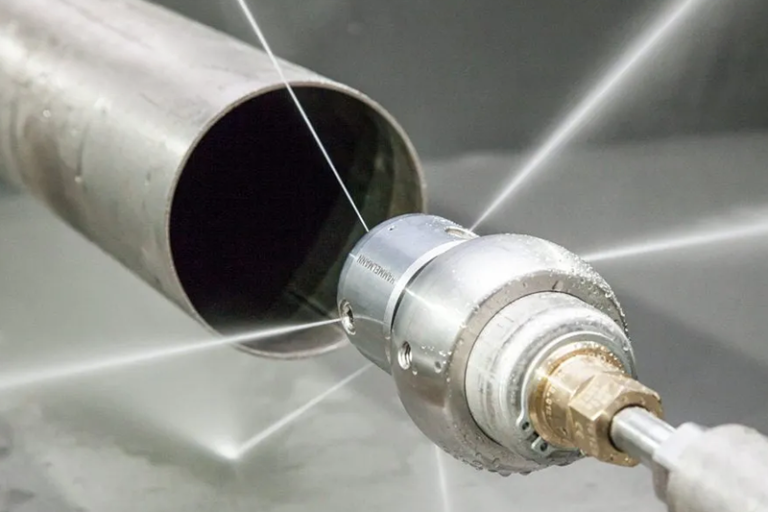
drain line jetting machine image

Drain Line Jetting

We deliver the best solution and provide a business strategy that makes you a full professional.
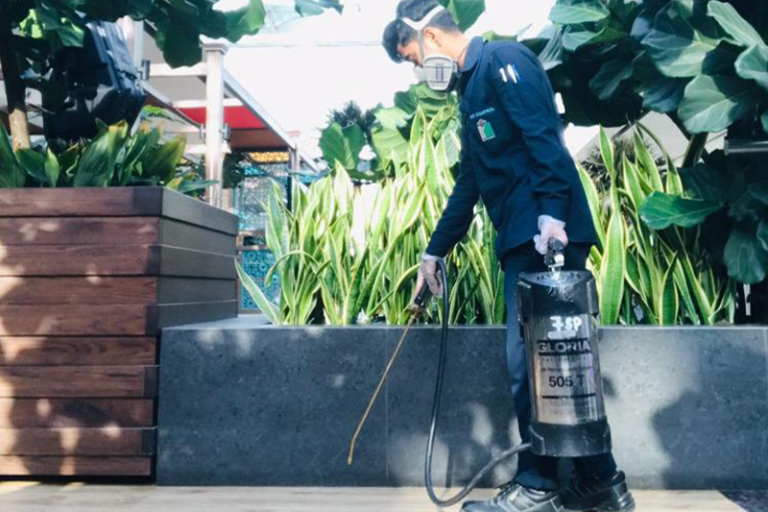
Man doing pest control with spray image

Pest Control Service

Pest control services are professional solutions offered to manage and eradicate pests that can pose a threat to property, health, or the environment.
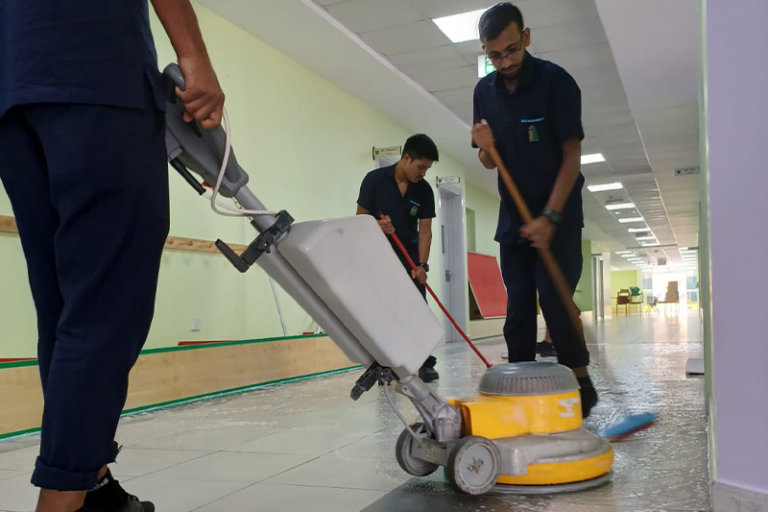
A group of people are providing deep cleaning service along with the dosing machine Image

Deep Cleaning

We deliver the best solution and provide a business strategy that makes you a full professional.

Why Choose Us

Grease Trap Cleaning UAE

28 years of expertise

Renowned name in facility management

New Technology

We are using latest techniques and technology

Customized Plans

We provide AMC & On call service

Satisfied Clients

40k+ clients trust our expertise

Book An Appointment Today

Blue Diamond would like to hear from you. if you have business inquiries. Get in touch with us.

Leave a Reply

Your email address will not be published. Required fields are marked *