Grease Trap Maintenance: Essential Guide for UAE Kitchens
Proper grease trap maintenance is one of the simplest, highest-impact preventive measures a commercial kitchen can implement. In the UAE — where municipal inspections and dense urban drainage networks increase enforcement risk — scheduled grease trap maintenance protects operations, prevents costly blockages, and ensures regulatory compliance. This guide explains what grease trap maintenance includes, why it’s mandatory in many situations, recommended frequencies for different kitchen types, signs you need urgent service, and how to choose a qualified provider in Dubai, Abu Dhabi and across the UAE.
Grease trap maintenance is the routine set of actions that keep interceptors functioning: scheduled pump-outs, manual removal of trapped solids and grease, inspection of baffles and seals, inlet/outlet checks, and documentation of service. Unlike one-off cleaning, maintenance is preventive — it reduces FOG (fats, oils and grease) accumulation, extends pipe life, and keeps kitchens open for business.
Why it matters in the UAE:
Urban sewer systems are sensitive to FOG buildup; blockages cause public health issues and expensive repairs.
Municipalities (including Dubai Municipality and Abu Dhabi authorities) increasingly require inspection-ready records showing a maintenance program.
For busy or multi-tenant operations (food courts, cloud kitchens), proactive grease trap maintenance prevents downstream problems that affect multiple businesses.
What is grease trap maintenance and why it matters
What a professional grease trap maintenance visit includes
A certified grease trap maintenance visit typically covers:
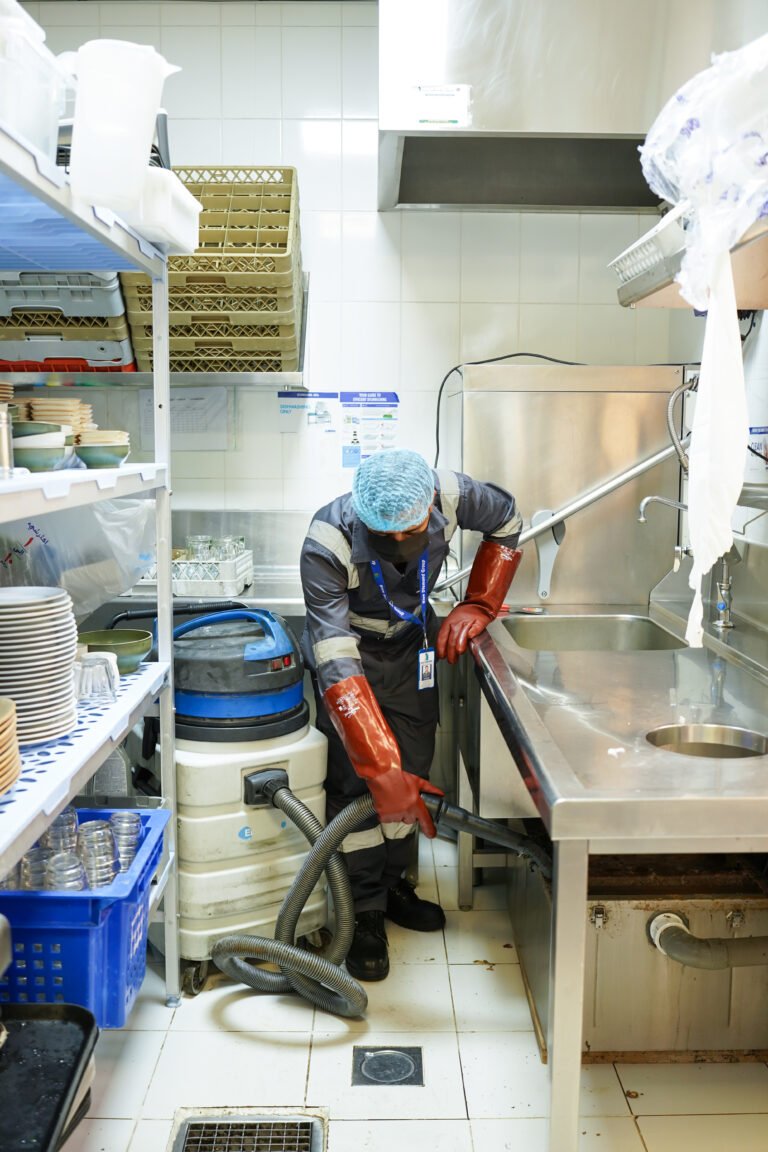
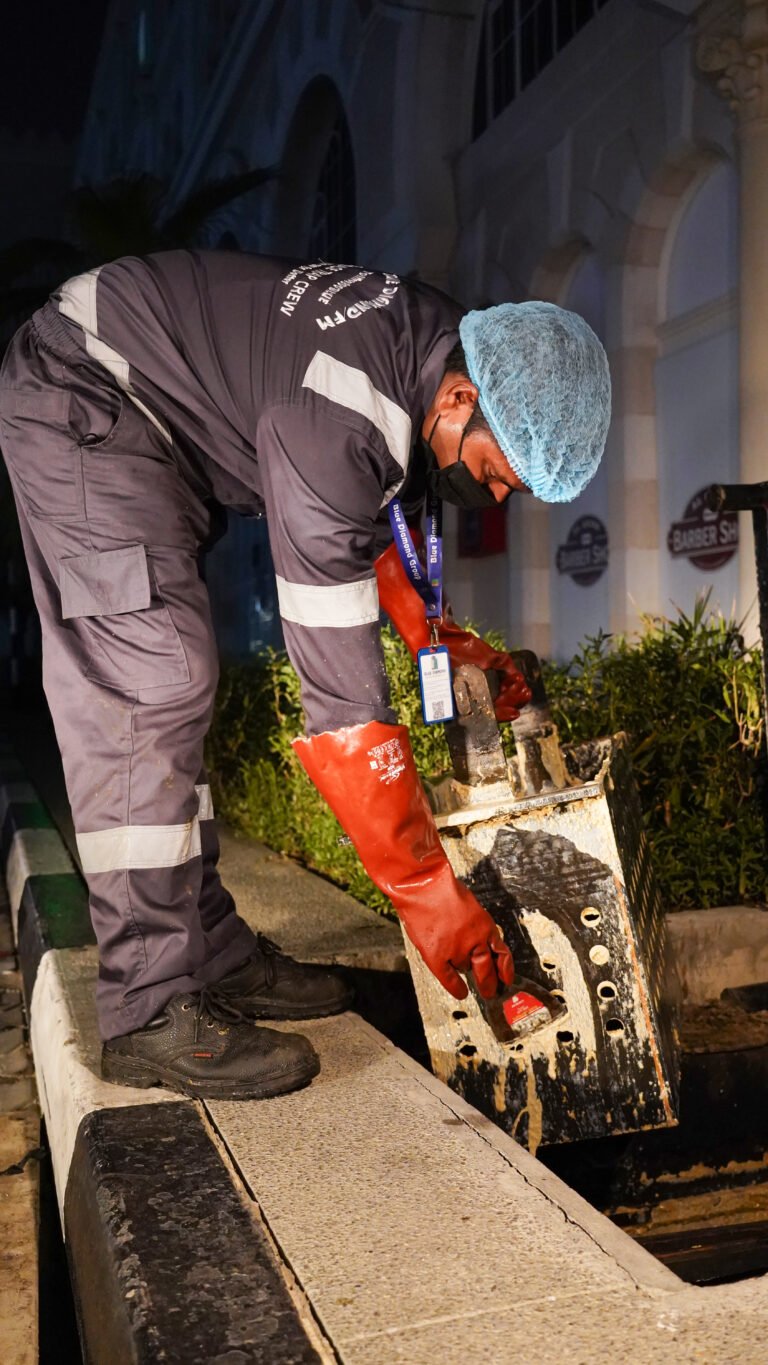
Pump-out: removing accumulated liquid and solids with a vacuum truck or portable pump.
Manual cleaning: scraping grease from baffles, lids and chamber walls.
Inlet/outlet inspection: verify flow paths are clear and traps are functioning.
Component check: ensure seals, baffles and access covers are intact.
Disposal documentation: manifest and waste transfer receipts, especially important for FOG recycling.
Reporting: time-stamped before/after photos and a signed service report (digital preferred).
These elements make grease trap maintenance not just a cleaning job but an audit-ready service that demonstrates compliance.
Why grease trap maintenance is mandatory (and practical) in the UAE
Many UAE municipalities require grease traps on applicable food-service premises and expect evidence of ongoing maintenance. Inspectors commonly request:
Service reports and pump-out manifests.
Evidence of licensed waste transfer to approved recyclers or disposal facilities.
Access to the trap and confirmation it’s sized and installed per approved drawings.
Failing to maintain traps can trigger fines, forced shutdowns, and reputational damage. From a practical perspective, regular grease trap maintenance also avoids emergency repairs that disrupt service and cost far more than planned maintenance.
How often should you schedule grease trap maintenance?
There’s no one-size-fits-all interval — schedule depends on kitchen size, menu, trap capacity and flow. Use these guidelines as a starting point and adjust based on monitored fill rates:
High-volume hotels, banquet kitchens, and central production facilities: weekly or more frequent.
Busy restaurants with deep-fry or high-FOG menus: weekly–biweekly.
Medium restaurants & cafés: biweekly–monthly.
Low-FOG outlets (cold-service cafés, small bakeries): monthly–quarterly.
Cloud kitchens & shared facilities: weekly or a monitored program tied to actual trap fill metrics.
For multi-site operators, consider sensor-based monitoring or a contract that allows flexibility — service when needed rather than rigid calendar visits.
Signs your grease trap needs immediate service
Call your provider if you see any of these red flags — they signal the need for urgent grease trap maintenance:
Slow drains or gurgling sounds in sinks.
Noticeable foul or sewer-like odours near dish or grease collection areas.
Surface overflow at trap access points or floor drains.
Repeated clogs despite normal use.
A municipal notice or failed inspection.
Early action keeps problems small and fixes affordable.
Choosing a professional grease trap maintenance provider in the UAE
Selecting a qualified service partner is critical. Use this checklist when evaluating providers:
Local licensing & permits: Verify waste collection licenses and evidence of approved disposal partners.
Audit-ready reporting: Confirm digital, time-stamped reports, before/after photos, and waste manifests are provided after each visit.
Experience with UAE regulations: Look for vendors that handle hotel, mall and food court clients and understand municipal expectations.
Equipment capability: Ensure they operate suitable pump trucks, portable pumps, and have access tools for confined traps.
Emergency SLA: Confirm 24/7 or rapid response options for events and high-risk moments.
Sustainability chain: Prefer providers offering FOG recycling or licensed disposal with certificates.
Insurance & safety: Public liability and waste-handling insurance should be current.
Ask for references from similar UAE sites and request sample reports to verify documentation quality.
Cost vs risk: why preventive grease trap maintenance saves money
It’s tempting to postpone cleaning, but reactive spending is far higher. Consider this simplified comparison:
Planned maintenance: Regular small costs (service contract) + predictable manifests; avoids disruptions.
Emergency response: Large pump-out fees, plumbing repairs, potential fines, lost revenue during closures.
Preventive grease trap maintenance reduces emergency incidents, extends equipment life, and helps avoid fines—delivering measurable ROI for facilities managers.
Best practices to support grease trap maintenance and extend service intervals
Operators can reduce grease load and extend intervals between maintenance visits by implementing simple controls:
Pre-scrape and dry-wipe: Staff remove food solids before washing.
Use strainers & screens: Fit sink strainers and regularly empty them.
Capture used cooking oil (UCO) separately: Store UCO in sealed containers for licensed collection and recycling.
Avoid hot-water flushing: Hot water can push grease into traps or emulsify FOG, reducing capture efficiency.
Train staff: Embed grease-control responsibilities into SOPs and shift checklists.
Document in-house checks: Daily log entries for strainer clearing and visible trap condition help demonstrate due diligence during inspections.
These actions complement contracted grease trap maintenance and improve sanitary conditions.
Grease trap maintenance and compliance: documentation is key
Regulatory inspections focus heavily on documentation. A maintenance provider should deliver:
Time-stamped service reports with technician name, service duration and tasks conducted.
Before-and-after photographs showing trap interiors.
Waste-transfer manifests that tie each service to a licensed recycling or disposal facility.
A service schedule that demonstrates compliance over time.
Store these records digitally with backups for quick retrieval during audits. Many UAE inspectors accept digital records if they are verifiable and complete.
Technology options: monitoring that optimizes maintenance
For high-volume or multi-site operations, consider integrating technology into your grease trap maintenance program:
Smart sensors that report trap fill levels in real time.
Automated alerts integrated with contractor dispatch systems.
Cloud dashboards to centralize service reports and manifests across sites.
Using monitoring reduces unnecessary service visits, directs resources to when they are needed, and strengthens the documentation trail for municipal inspectors.
Make grease trap maintenance a strategic part of operations
Regular grease trap maintenance is not a discretionary expense — it’s a foundational operational control for any commercial kitchen in the UAE. From preventing blockages and fines to supporting HACCP and ESG goals, scheduled maintenance protects plumbing, reputation and revenue. For decisive action:
Start with a compliance audit of traps and documentation.
Move to a monitored maintenance program with digital reporting.
Partner with a licensed, UAE-experienced provider that offers FOG recycling manifests and rapid response.
Ready to protect your kitchen and streamline compliance? Request a free grease trap maintenance audit today — our UAE team will assess trap condition, propose a municipality-ready maintenance schedule, and provide a transparent quote. Contact us today or call us on: +971-55-9963058.
Most Frequently Asked Question
Municipalities require functional grease control systems and expect evidence of maintenance; requirements vary by emirate, so check local guidance.
Small daily tasks (strainer clearing) can be done in-house, but certified pump-outs and full maintenance should be performed by licensed providers to ensure proper disposal and documentation.
Typical service visits range from 30 minutes for small interceptors to several hours for large underground traps, plus off-site transport time for manifested waste.
Yes—most UAE municipalities accept time-stamped digital reports and manifests, provided they are verifiable and include required details.
Yes; scheduled removal of accumulated FOG and solids reduces decomposition and the off-gassing that causes strong odours.
Response depends on provider SLAs and location; many reputable companies offer rapid response within a few hours for emergency events.
Our Services
Our step-by-step guide simplifies the cleaning process, ensuring a hassle-free experience while keeping your traps clean.
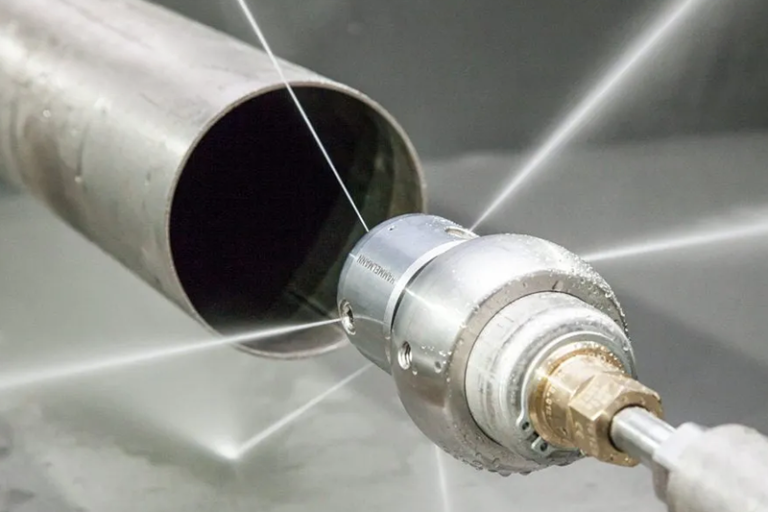
Drain Line Jetting
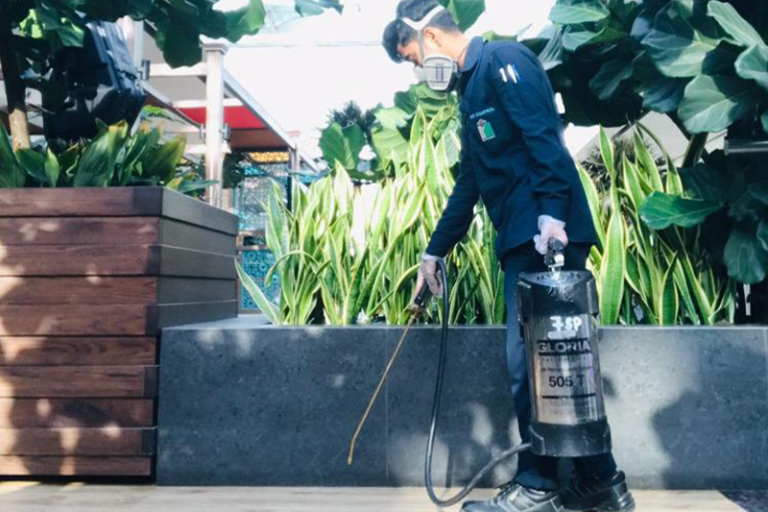
Pest Control Service
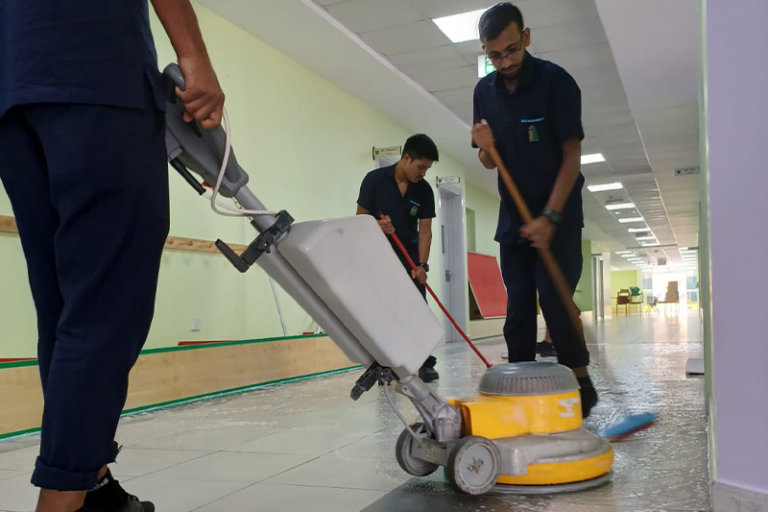
Deep Cleaning
business
Our Working Process
Let’s start the journey towards success and enhance revenue for your business. Take your company to the next level.
Book An Appointment Today
Blue Diamond would like to hear from you. if you have business inquiries. Get in touch with us.