Sharjah Grease Trap Installation and Cleaning: New Kitchen Setup Guide
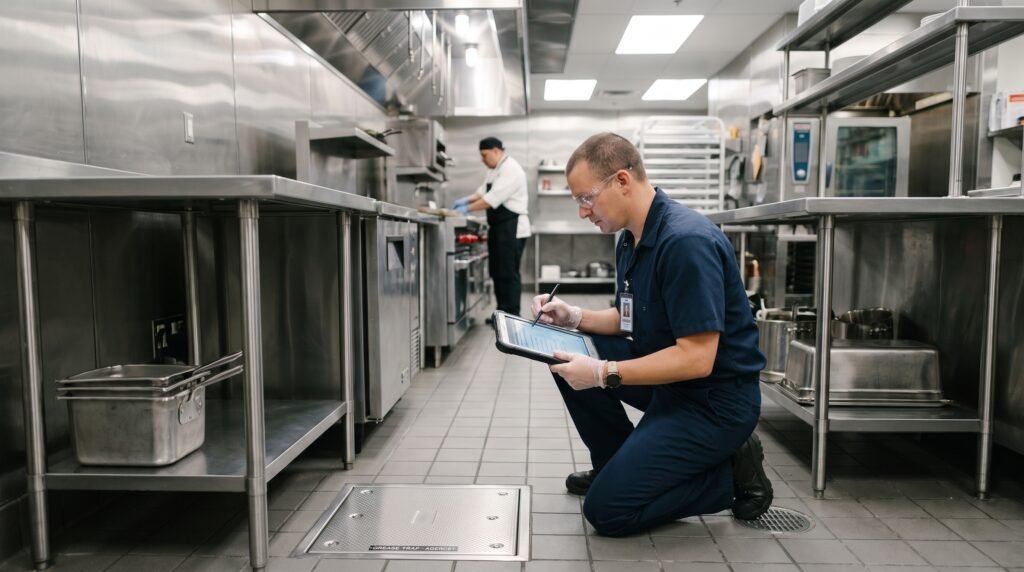
Opening a new restaurant, cafe, or catering kitchen in Sharjah comes with a long checklist — and grease trap installation is one of the items most commonly left until the last minute. Getting Sharjah Grease Trap Installation and Cleaning right from day one isn’t just a plumbing detail; it’s a compliance requirement that Sharjah Municipality inspectors check before a food trade license is issued, and getting it wrong can delay your opening by weeks.
This guide walks new kitchen operators through everything they need to know about Sharjah Grease Trap Installation and Cleaning — from choosing the right trap size during fit-out, to the installation process itself, to the ongoing cleaning schedule that keeps a new kitchen compliant long after opening day.
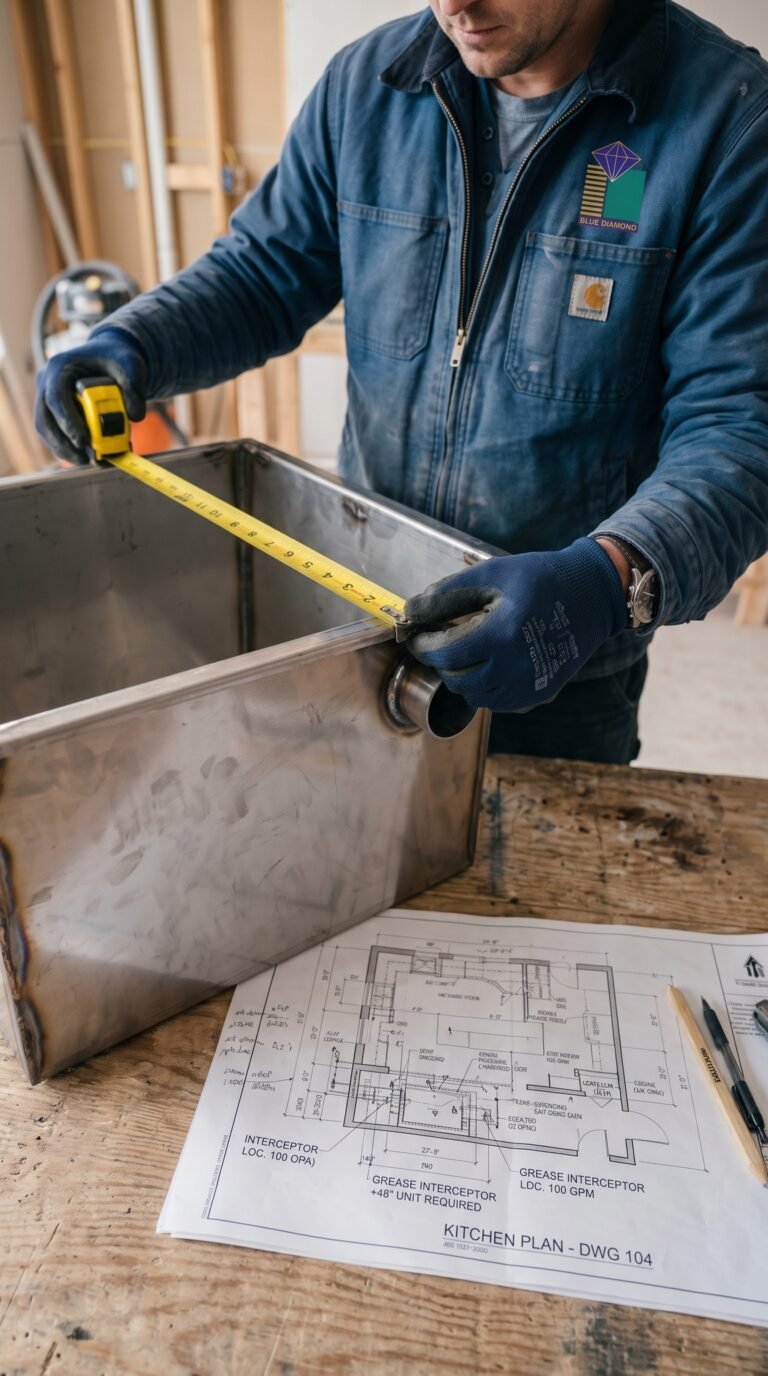
Every commercial kitchen in Sharjah that handles fats, oils, or grease is required to have a properly sized grease interceptor installed before it can pass a health and safety inspection. Skipping this step — or installing an undersized trap to save on upfront cost — is one of the most common reasons new F&B fit-outs fail their first municipality inspection. Planning Sharjah Grease Trap Installation and Cleaning early in the fit-out timeline, alongside plumbing and drainage design, avoids costly rework once tiling and fixtures are already in place.
Beyond the immediate risk of a failed inspection, getting Sharjah Grease Trap Installation and Cleaning right from the outset protects the long-term operating cost of the kitchen. A trap that’s undersized or poorly positioned during fit-out tends to block far more frequently once the kitchen is running at full volume, which means more emergency call-outs, more disruption to service during peak hours, and a higher total cost over the life of the lease than if the system had been sized and installed correctly the first time.
Why Sharjah Grease Trap Installation and Cleaning Matters for New Kitchens
Step-by-Step: Sharjah Grease Trap Installation and Cleaning for a New Kitchen
- Assess kitchen output — estimate daily meal volume, fryer count, and grill usage to determine expected FOG (fats, oils, grease) load.
- Size the trap correctly — undersized traps are the leading cause of early blockages and repeat non-compliance in new kitchens.
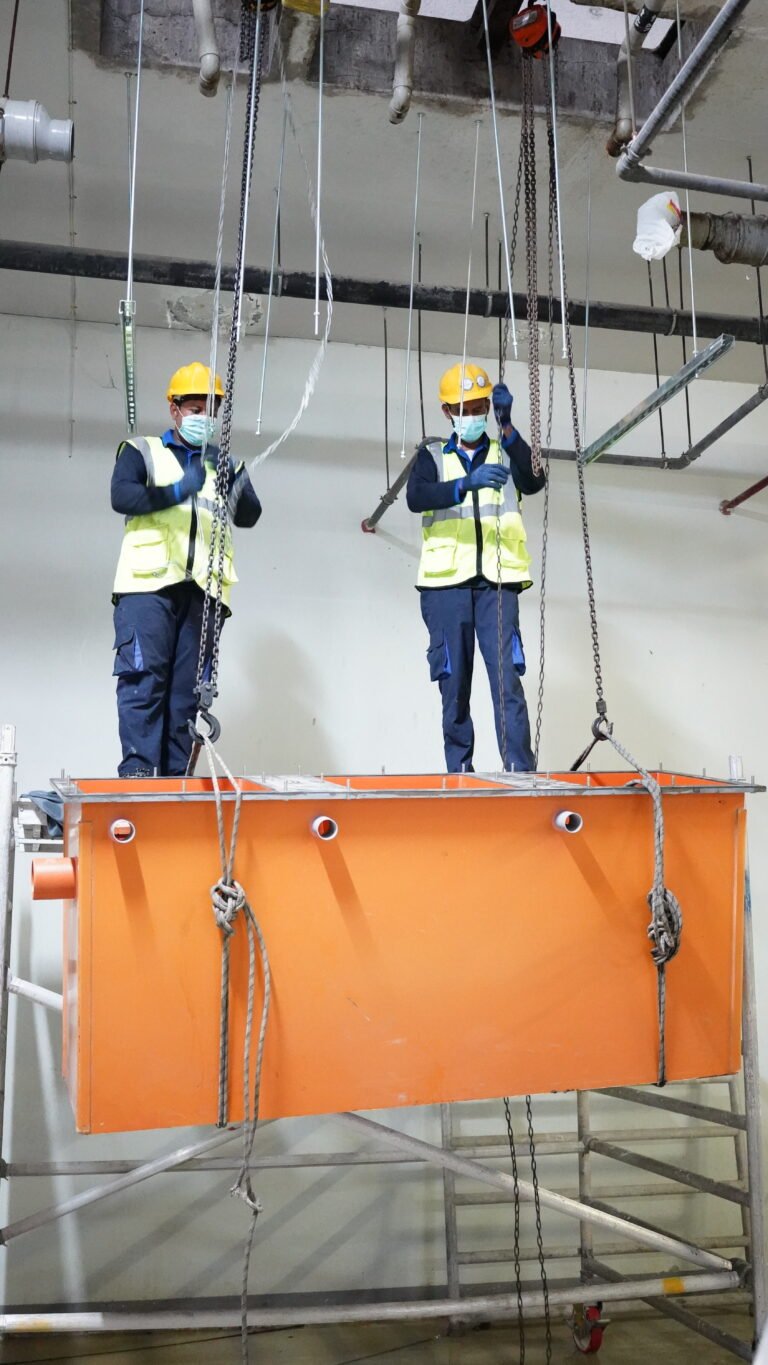
- Choose the installation location — below-ground external traps suit high-volume kitchens, while smaller under-sink units work for cafes and kiosks.
- Coordinate with your plumbing contractor — installation should be scheduled alongside drainage rough-in, not after the kitchen is fully built out.
- Schedule the first cleaning and inspection — a newly installed trap should be inspected shortly after opening to confirm it’s performing as sized.
- Set a recurring cleaning schedule — most new kitchens start on a bi-weekly or monthly cycle and adjust based on actual usage.
Choosing the Right Trap Size: A Quick Reference
Trap sizing for Grease Trap Installation depends primarily on kitchen output rather than floor area. Use this as a starting reference during fit-out planning, then confirm with a site assessment:
Kitchen Type | Estimated Daily Covers | Recommended Trap Size |
Small café / kiosk | Under 100 | 20–50 L under-sink unit |
Casual dining restaurant | 100–300 | 50–150 L in-line or under-sink unit |
Full-service / high-volume kitchen | 300+ | 150–500 L below-ground interceptor |
Installation Compliance Checklist for Sharjah
- Trap sized to projected kitchen output, not just current seating capacity
- Installed by a contractor familiar with Sharjah Municipality drainage requirements
- Positioned for accessible future pump-outs — avoid burying access points behind fixed fit-out elements
- Documented with installation records for your food trade license application
- First cleaning and inspection scheduled within the initial weeks of operation
Cleaning Schedules After Installation
Once Sharjah Grease Trap Installation and Cleaning is complete and the kitchen is operational, the trap needs a recurring maintenance schedule to stay compliant and avoid early blockages. New kitchens typically start with a more frequent schedule during the first few months while actual FOG output is still being assessed, then adjust based on real usage patterns.
- High-volume kitchens (300+ covers/day): weekly to bi-weekly cleaning
- Casual dining kitchens (100–300 covers/day): bi-weekly to monthly cleaning
- Small cafés and kiosks (under 100 covers/day): monthly cleaning, adjusted seasonally
Common Mistakes New Kitchen Operators Make
- Installing an undersized trap to save on upfront fit-out cost, then facing repeat blockages within months.
- Scheduling installation after tiling and fixtures are complete, leading to expensive rework.
- Delaying the first cleaning until a blockage occurs, instead of scheduling proactive maintenance from day one.
- Choosing a contractor unfamiliar with Sharjah Municipality’s specific drainage and interceptor requirements.
Conclusion
Getting Sharjah Grease Trap Installation and Cleaning right during the fit-out stage saves new kitchen operators from inspection delays, early blockages, and costly rework down the line. Planning trap sizing and installation alongside your drainage design — and setting a proactive cleaning schedule from opening day — is the most reliable path to a smooth Sharjah Municipality inspection and a trouble-free kitchen launch.
Setting up a new kitchen in Sharjah? Get expert Sharjah Grease Trap Installation and Cleaning support — from sizing and installation to your first scheduled service. Book a site assessment today.
Contact us today on WhatsApp | Call | Email
Phone: +971 55 996 3058
Email: info@bluediamondfm.com
Most Frequently Asked Question
Ideally during the drainage and plumbing design stage, before tiling and fixed fit-out elements are installed — this avoids costly rework and installation delays.
Yes. Sharjah Municipality requires commercial kitchens producing FOG waste to have a properly sized interceptor installed and inspected before a food trade license is issued.
New kitchens should schedule an inspection and first cleaning within the initial weeks of operation to confirm the trap is sized correctly for real usage, not just projected output.
Sometimes, but it should be inspected and sized against your specific kitchen's projected output before reuse — a trap sized for the previous tenant's menu may not suit yours.
The required grease trap size depends on the kitchen’s daily water usage, number of sinks, and type of food preparation. Sharjah Municipality typically recommends sizing based on flow rate and fixture capacity to ensure compliance and prevent blockages. A professional assessment is advised before installation.
For new kitchens, grease traps should be cleaned every 2–4 weeks depending on usage. Regular cleaning prevents foul odors, overflow, and plumbing issues, and ensures compliance with Sharjah Municipality hygiene standards.
Our Services
Our step-by-step guide simplifies the cleaning process, ensuring a hassle-free experience while keeping your traps clean.
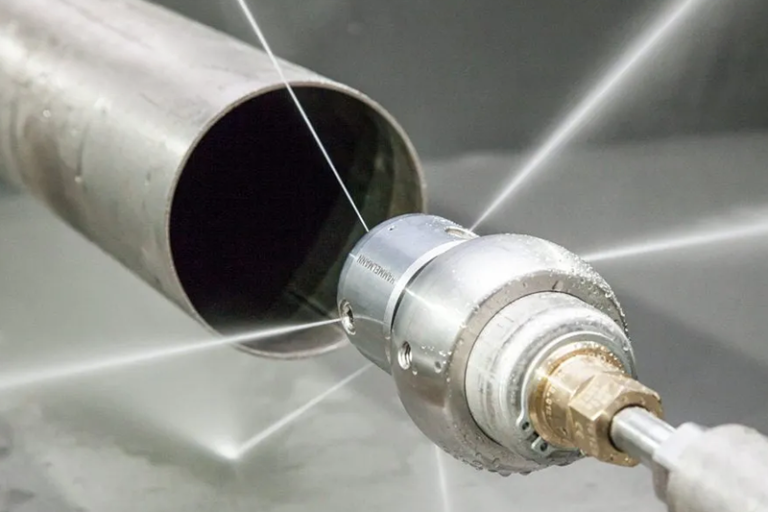
Drain Line Jetting
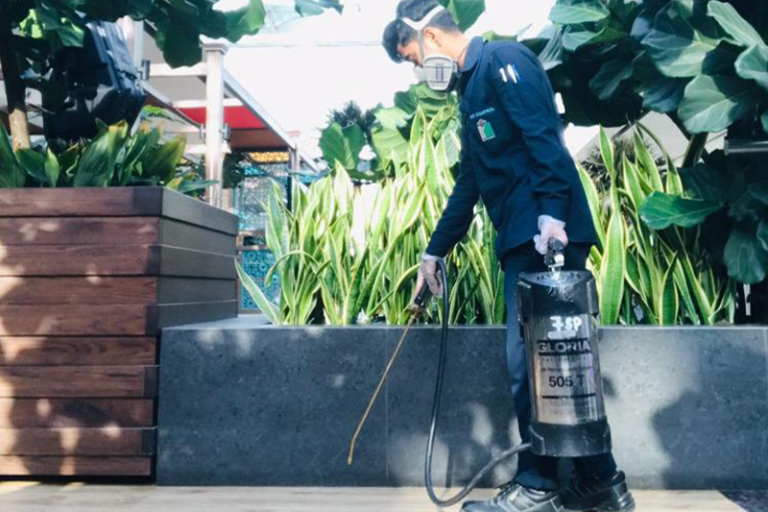
Pest Control Service
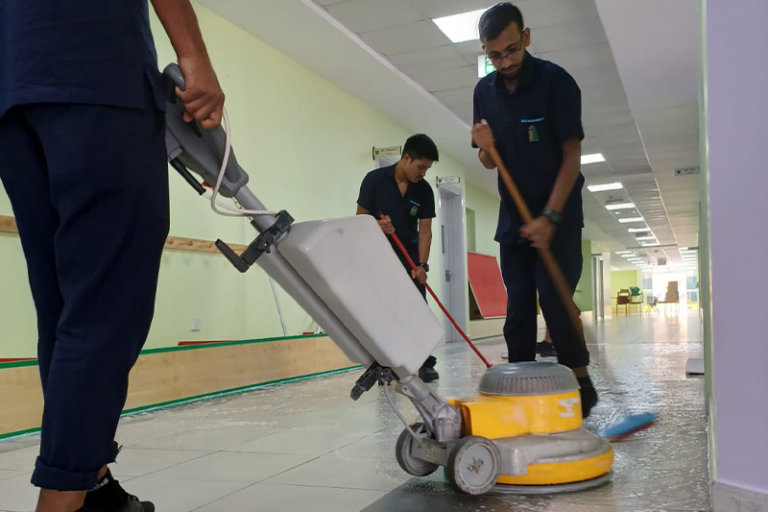
Deep Cleaning
business
Our Working Process
Let’s start the journey towards success and enhance revenue for your business. Take your company to the next level.
Book An Appointment Today
Blue Diamond would like to hear from you. if you have business inquiries. Get in touch with us.