Grease Trap Cleaning Solutions for Catering Companies in Dubai & Abu Dhabi
Catering companies and central kitchens face unique operational pressures: large batch cooking, tight turnarounds between events, and the need to stay inspection-ready across multiple sites. Those pressures multiply the risks posed by fats, oils and grease (FOG). Effective Grease Trap Cleaning Solutions are therefore not optional — they are a business-critical control that protects service continuity, municipal compliance and your brand reputation.
This guide explains the practical challenges of high-volume catering, local compliance considerations for Dubai and Abu Dhabi, and the professional grease trap cleaning solutions that provide lasting value.
Why Grease Trap Cleaning Matters for Catering Operations
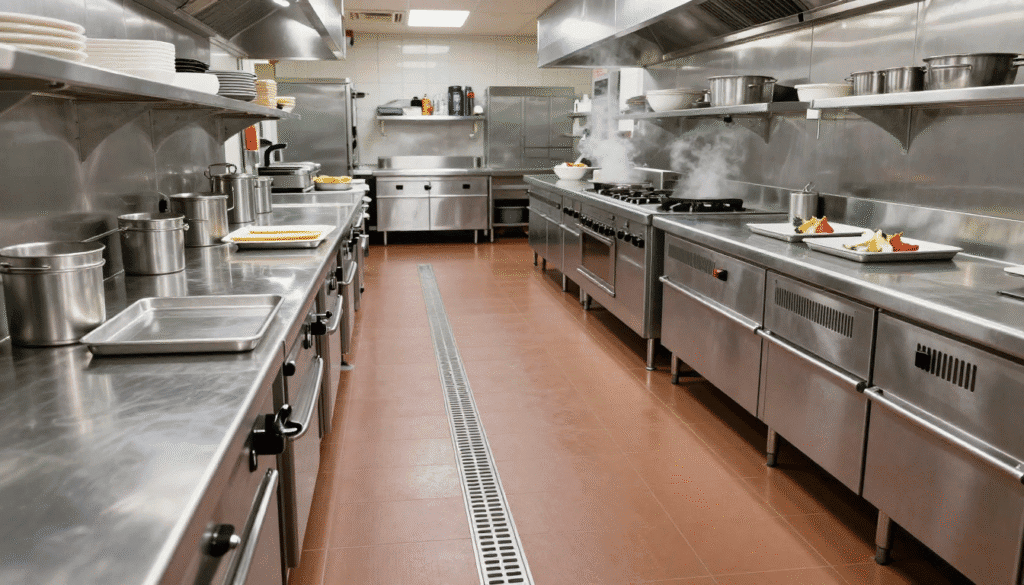
Catering kitchens and event operators handle high volumes of oils and fats: deep frying, large-batch sauces, butter-based pastries and frequent equipment rinses. This creates continuous FOG discharge that quickly overwhelms undersized interceptors and temporary drainage systems used in mobile kitchens.
Consequences of inadequate grease management:
Frequent drainage blockages and downtime during service.
Unscheduled emergency pump-outs (expensive and disruptive).
Municipal penalties, remediation orders or even temporary closure.
Odour, pest and hygiene problems that damage client relationships.
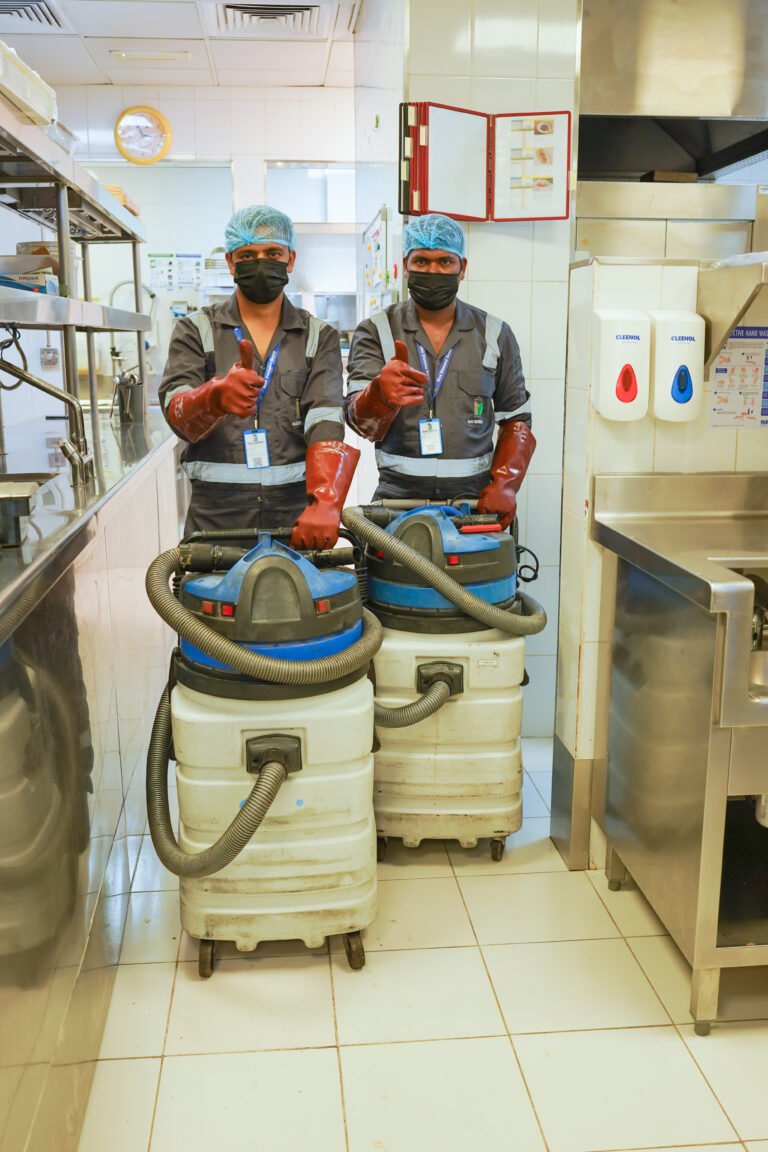
Professional Grease Trap Cleaning Solutions address these risks with scheduled preventive maintenance, emergency response capacity and documentation that meets municipality expectations.
Unique Grease Challenges in Catering & Central Kitchens
Large-batch cooking and concentrated FOG loads
Catering batches generate concentrated FOG pulses that can exceed interceptor capacity in short windows. A trap that performs well on a normal day may fill rapidly during a multi-course banquet or festival event.
Mobile operations and event kitchens
Temporary kitchens and mobile units often use compact interceptors with limited retention. Event-day surges require on-call pumping, temporary bypass plans and coordinated service logistics.
Irregular peak volumes and seasonal demand
Events, corporate seasons and religious periods (e.g., Ramadan if planning events) create peaks. Solutions must be flexible — combining scheduled cleanings with event-day support.
Dubai & Abu Dhabi Compliance: What Catering Companies Need to Know
Both Dubai and Abu Dhabi enforce FOG management through municipal and environmental authorities. Key expectations are consistent across emirates:
Maintain regular grease trap cleaning records and a published maintenance schedule.
Use licensed service providers for FOG collection and disposal — with waste-transfer receipts.
Ensure trap sizing and accessibility comply with local codes, and keep photographic evidence of interior cleaning when required.
What inspectors typically ask for: cleaning logs, service certificates, waste manifests, trap access plans and proof of licensed disposal. Providing complete Grease Trap Cleaning Solutions that deliver these documents reduces inspection time and the risk of fines.
Types of Grease Trap Cleaning Solutions for Catering Companies
Not all solutions are equal. Catering operations benefit from a mix of preventive, reactive and technological options:
Scheduled preventive cleaning programs
Frequency based on volume: weekly for high-volume, biweekly/monthly for moderate operations.
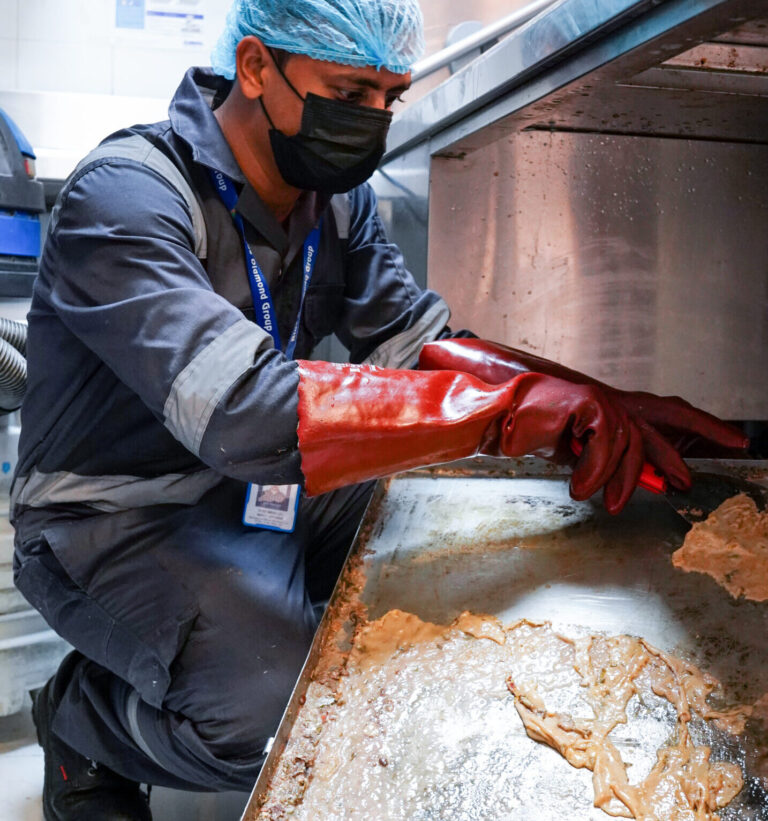
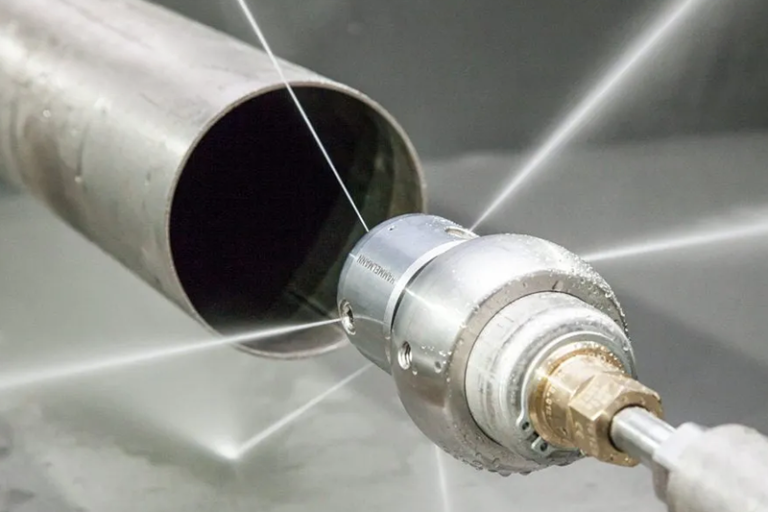
Deliverables: pump-out, interior scraping, pressure wash, photo report and waste-transfer receipt.
Benefits: predictable costs, fewer emergency calls, consistent compliance records.
Emergency response and event-day coverage
24/7 on-call pump-out for event surges.
Rapid response to prevent cancellations and lost revenue.
Temporary bypass solutions for uninterrupted service.
Technology-enabled monitoring
FOG sensors and level monitors trigger services when thresholds are met.
Digital reporting platforms capture time-stamped photos and manifests for auditors.
Eco-friendly & enzyme treatments (supplemental)
Enzyme solutions can reduce surface grease but do not replace mechanical cleaning.
Use only as a complement within a professional program and verify municipal acceptance.
How Often Should Catering Companies Clean Grease Traps?
A simple, practical frequency model:
High-volume central kitchens / banquet caterers: weekly or more during peak season.
Event catering & mobile kitchens: mandatory post-event pump-out plus weekly checks during busy months.
Medium-size caterers: biweekly to monthly, depending on menu and output.
Low-output or prep-only facilities: monthly but verify with site audit.
start with a 30-day audit: log FOG volumes and adjust the schedule. For high-risk windows (festivals, corporate events), add pre- and post-event cleaning as part of the service package.
Operational & Financial Benefits of Professional Grease Trap Cleaning Solutions
Investing in professional services returns value in several ways:
Lower emergency costs. Scheduled maintenance reduces expensive, after-hours pump-outs.
Reduced downtime. Fewer blockages mean fewer canceled events and uninterrupted service.
Regulatory protection. Municipality-ready documentation avoids fines and costly remediation orders.
Longer equipment life. Proper cleaning protects pumps, pipes and drainage infrastructure.
Sustainability credentials. Using licensed FOG recyclers supports corporate environmental goals.
A short ROI example: a central kitchen that reduces emergency pump-outs from 12/year to 2/year can save thousands AED annually in call-out fees and lost event revenue — often offsetting a preventive contract cost.
Choosing the Right Provider in Dubai & Abu Dhabi
When selecting a partner for Grease Trap Cleaning Solutions, evaluate these criteria:
Licensing & insurance: confirm municipality approvals and FOG disposal licenses.
Experience with catering operations: look for providers who service central kitchens, mobile units and events.
Documentation capabilities: demand digital, time-stamped reports, photos and waste-transfer receipts.
SLA & emergency support: ensure event-day standby and guaranteed response times.
Sustainability options: certified recycling for used cooking oil and FOG.
Ask for sample reports and references from similar clients. A strong provider will present a service plan tailored to your event calendar and kitchen throughput.
Best Practices for Catering Teams to Reduce FOG Load
Complement professional cleaning with operational controls:
Pre-scrape plates and cookware into waste bins.
Use strainers in sinks and interceptors on dishwash lines.
Collect used oil in sealed containers for recycling — don’t pour into sinks.
Train staff on FOG-handling SOPs and post-event cleanup checklists.
Coordinate tenant schedules in shared central kitchens to avoid simultaneous heavy discharges.
These daily controls make your Grease Trap Cleaning Solutions more effective and reduce service frequency requirements.
Emergency Checklist for Event-Day Blockages (Quick Steps)
Stop water flow to affected lines if possible.
Call your contracted emergency pump-out provider immediately.
Isolate the affected area and inform operations teams and clients.
Arrange temporary reroute or partial service if feasible.
Document incident with photos and include them in the service report.
Having these steps in your facility manual mitigates reputational and financial fallout and shows municipalities you follow good practice.
Make Grease Trap Cleaning Solutions Part of Your Catering Operations
For catering companies, central kitchens and event operators in Dubai and Abu Dhabi, Grease Trap Cleaning Solutions are a strategic investment: they ensure municipal compliance, reduce costly interruptions, and protect your brand. The right combination of scheduled preventive cleaning, event-day emergency support, sensor-driven monitoring and staff-level controls creates a resilient FOG-management program.
Ready to protect your events and comply with local regulations? Book a free site audit to get a tailored grease trap cleaning plan, municipality-ready documentation and event-day standby options — designed for catering operations in Dubai & Abu Dhabi.
Most Frequently Asked Question
Frequency depends on volume: weekly for high-output kitchens, biweekly/monthly for moderate operations, with post-event pump-outs for event caterers.
Cleaning logs, service certificates, waste-transfer receipts and photographic proof of interior cleaning are commonly required.
No. Enzyme treatments can support cleaning but do not replace pump-outs, scraping and pressure washing required for compliance.
Yes — mobile operations require frequent checks and post-event pump-outs due to limited interceptor capacity.
A typical service includes pump-out, interior scraping, pressure washing, waste-transfer receipt and a digital service report with photos.
Reliable providers offer guaranteed SLA response times (often within 2–4 hours) and event-day standby services when contracted in advance.
Our Services
Our step-by-step guide simplifies the cleaning process, ensuring a hassle-free experience while keeping your traps clean.
Drain Line Jetting
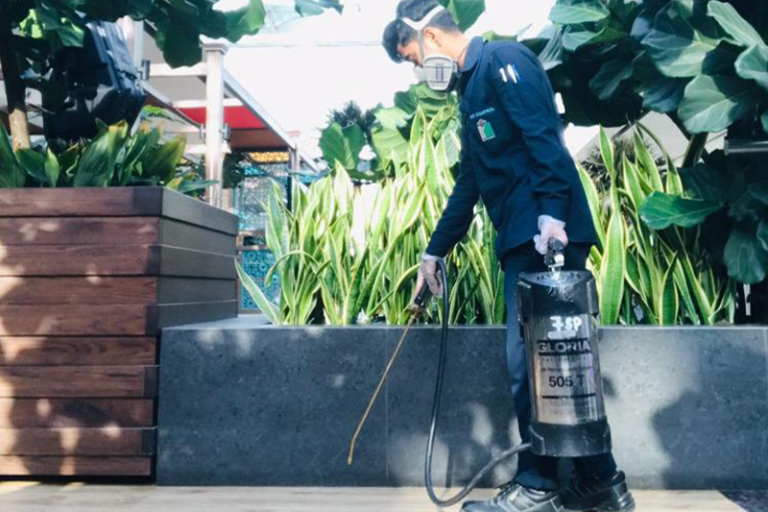
Pest Control Service
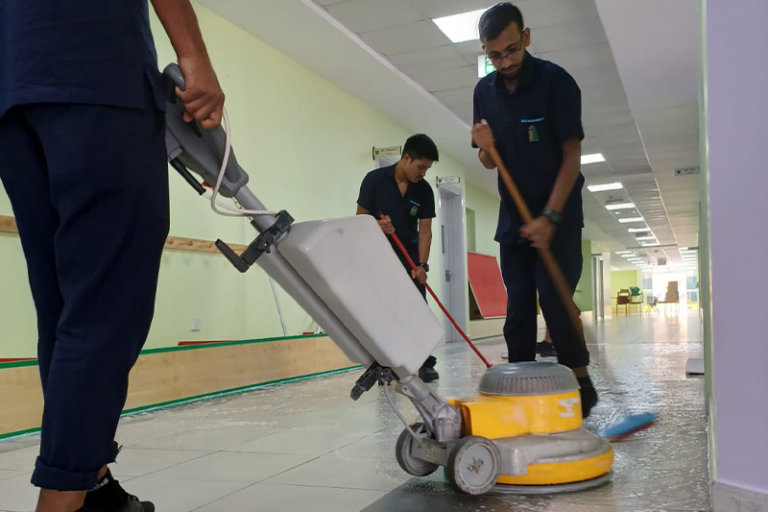
Deep Cleaning
business
Our Working Process
Let’s start the journey towards success and enhance revenue for your business. Take your company to the next level.
Book An Appointment Today
Blue Diamond would like to hear from you. if you have business inquiries. Get in touch with us.