
Grease Trap Cleaning for HACCP Compliance in UAE Commercial Kitchens

In UAE commercial kitchens, food safety is non-negotiable. Grease trap failures are a frequent underlying cause of contamination risks, pest infestations and failed HACCP audits. Grease Trap Cleaning for HACCP Compliance is therefore a core control: it protects diners, preserves operations, and keeps your kitchen inspection-ready under Dubai and Abu Dhabi regulations. This article explains the technical link between grease control and HACCP, outlines regulatory expectations in the UAE, and provides practical, audit-ready steps facility managers can implement immediately.

What HACCP means for commercial kitchens in the UAE

HACCP (Hazard Analysis and Critical Control Points) is a preventive framework used worldwide to identify and control hazards that could compromise food safety. In a commercial kitchen, HACCP requires operators to identify critical control points (CCPs), set critical limits, monitor compliance, and document actions and corrective measures.

For UAE kitchens, HACCP compliance UAE aligns with municipal food safety enforcement: Dubai Municipality, Abu Dhabi’s food authorities, and other emirate regulators expect demonstrable controls and records. Grease management is commonly cited in inspections because unmanaged fats, oils and grease (FOG) create both physical and biological hazards that can undermine HACCP controls.

Grease Trap Cleaning Solutions
Grease Trap Cleaning for HACCP Compliance in UAE Commercial Kitchens

Why grease traps matter to HACCP: contamination, pests and infrastructure risk

Grease traps intercept FOG and food solids before they enter drainage systems. Properly sized and maintained traps prevent:

  • Cross-contamination: overflow or backflow can introduce contaminated wastewater into prep or dishwash areas — a direct HACCP breach.

  • Pest attraction: persistent grease and odours draw flies and rodents, creating biological hazards.

  • Equipment failure: blocked drains and corroded pipes result in unplanned downtime and corrective actions.

  • Documentation gaps: missing service records undermine audit evidence.

In short, grease traps are part of a kitchen’s preventive controls. Grease Trap Cleaning for HACCP Compliance ensures those controls function and are verifiable.

How neglected grease traps cause HACCP violations

Failures typically follow a predictable path:

  1. FOG accumulates on baffles and pipe walls.

  2. Trap capacity is exceeded during a peak service, causing overflow.

  3. Wastewater reaches prep/dishwashing zones or backs up into service areas.

  4. Contamination risk is realised and a HACCP CCP is breached.

  5. Auditors find missing records or inadequate corrective actions — leading to non-conformances.

A single overflow incident—especially if undocumented or repeated—can trigger enforcement, fines or temporary closure under local regulations. Preventing this chain requires regular, professional grease trap maintenance UAE and documented proof.

Grease Trap Cleaning for HACCP Compliance in UAE Commercial Kitchens

UAE regulatory expectations: Dubai Municipality and Abu Dhabi authorities

Municipal inspectors in Dubai and Abu Dhabi share core expectations for grease control as part of HACCP readiness:

  • Routine cleaning records: signed service logs with dates, technician names, and volumes removed.

  • Licensed disposal manifests: waste-transfer receipts from accredited collectors.

  • Trap accessibility and sizing evidence: documentation showing trap capacity and access for service.

  • Corrective action records: logged responses to overflows, blockages or failed monitoring.

  • Photographic evidence: before/after service photos are increasingly requested.

While municipalities may vary in format and frequency of audits, the principle is universal: traceable, auditable records are fundamental. Facility managers should keep digital copies (time-stamped) and hard copies onsite for inspections. Always confirm the latest Dubai Municipality HACCP requirements or Abu Dhabi guidance as municipal policies are updated.

Benefits of professional grease trap cleaning for HACCP audits

Engaging licensed professionals for Grease Trap Cleaning for HACCP Compliance delivers measurable benefits:

  • Audit readiness: structured reports and manifests shorten inspection time and reduce non-conformances.

  • Lower risk of service interruptions: preventive maintenance reduces emergency pump-outs and event cancellations.

  • Improved hygiene: fewer odours and pests improve overall food safety scores.

  • Cost predictability: scheduled programs convert emergency spend into routine operational cost.

  • Evidence of due diligence: service certificates and digital logs support management review during HACCP audits.

These benefits translate into fewer corrective actions during HACCP audits and a more defensible compliance posture.

Recommended cleaning frequency for HACCP-compliant kitchens

There is no universal interval—effective frequency is risk-based. Use this practical starting matrix and refine with in-house monitoring:

Frequency matrix (guideline)

  • High-output kitchens (banquet hotels, large caterers): weekly (or more during peak seasons)

  • Medium-output restaurants and central kitchens: biweekly to weekly

  • Low-output cafés and small outlets: monthly

  • Mobile/event kitchens: required post-event pump-out + weekly checks during busy periods

Factors that increase frequency need: menu with high fat content (deep-frying, butter/cream), elevated covers/day, small interceptor size, warm ambient temperatures. Implement a 30-day monitoring window using visual checks and, where possible, FOG sensors to set the final schedule.

Common mistakes kitchens make during HACCP inspections

Avoid these frequent pitfalls:

  • Incomplete records: unsigned or missing entries undermine audit credibility.

  • Unlicensed contractors: manifests from unlicensed collectors can trigger enforcement.

  • Treating grease control as “maintenance” only: if grease is not integrated into HACCP documentation, auditors will flag it.

  • Relying on DIY or enzyme-only approaches: these are supplementary, not a substitute for professional pump-outs and mechanical cleaning.

  • Poor trap access/design: difficult access delays service and increases downtime.

Remediate by integrating grease trap activities into your HACCP plan, training staff, and using licensed providers.

How to choose a HACCP-compliant grease trap cleaning provider in the UAE

Select a provider who meets these minimum criteria:

  • Municipal licensing and insurance. Verify their waste collection license and disposal chain.

  • Audit-ready reporting. Digital, time-stamped reports with photographs and waste-transfer receipts.

  • Experience with your kitchen type. Providers familiar with hotel banquets, central kitchens or event catering understand peak risks.

  • Service level agreements (SLA). Defined frequency, emergency response times (critical for events), and corrective action procedures.

  • Traceability & retention. Ability to maintain records for municipal retention periods and provide copies on request.

Vendor checklist (short): license copy, sample service report, waste manifest format, SLA, references from similar operations.

Integrating grease trap cleaning into your HACCP plan (practical steps)

    1. Hazard analysis: identify grease build-up as a potential hazard or a prerequisite control depending on your HACCP assessment.

    2. Define control measures: set cleaning frequency, monitoring methods (visual checks, sensor thresholds).

    3. Assign responsibilities: who records, who signs, and who triggers corrective actions.

    4. Record-keeping: standardize logs, ensure digital backups, attach manifests/photos.

    5. Corrective actions: pre-define steps for overflow or failed monitoring (immediate pump-out, isolation, cleaning, incident report).

    6. Management review: review FOG volumes and service effectiveness quarterly and adjust frequency.

Technology and record keeping to strengthen HACCP evidence

Digital tools increase traceability and make audits smoother:

  • FOG level sensors provide objective triggers for service.

  • Mobile data capture creates time-stamped logs with photos and technician signatures.

  • Cloud storage centralizes records across multiple outlets for corporate HACCP programs.

  • Automated reports can feed HACCP documentation and management review data.

Adopting these tools supports proactive control and demonstrates a higher standard of compliance to municipal auditors.

Quick audit-ready checklist: Grease Trap Cleaning for HACCP Compliance

  • Current cleaning log (last 12 months) with signatures.

  • Waste-transfer receipts for each service.

  • Photographic before/after evidence for recent cleanings.

  • Published maintenance schedule (posted/accessible).

  • SOPs linking grease control to HACCP CCPs and corrective actions.

  • Contact details and license copy of service provider.

Presenting this packet during an inspection reduces time on site and shows due diligence.

Make grease trap cleaning a HACCP priority, not an afterthought

Grease Trap Cleaning for HACCP Compliance is essential in the UAE: it reduces contamination risk, supports audit requirements, and prevents operational failures that damage reputation and revenue. The best programs combine risk-based cleaning frequencies, licensed providers, digital documentation, and clear integration into your HACCP plan.

If your kitchen has gaps in cleaning frequency, records or vendor documentation, take action now: schedule an audit, standardize your logs, and contract a licensed service provider that supplies municipality-ready reports. These steps protect your guests, simplify audits, and secure long-term operational resilience.

 For a free HACCP-readiness checklist and a sample audit report template, contact our compliance team to schedule a site review and get a customized grease trap cleaning plan aligned with Dubai and Abu Dhabi expectations.

Most Frequently Asked Question

Yes. Regulators expect documented, regular cleaning as part of a HACCP program’s preventive controls.

Frequency is risk-based. High-output kitchens typically require weekly cleaning; others may be biweekly or monthly. Use monitoring to finalize intervals.

Yes — if they are time-stamped, include photos and attach licensed waste-transfer receipts.

No. Enzymes may assist but are not a substitute for mechanical pump-outs and interior cleaning required for compliance.

Cleaning logs, service certificates, waste manifests, photographic evidence and a published maintenance schedule.

Engage a licensed service provider with experience in hotel and central kitchen operations that provides digital reports and municipal-ready manifests.

Our Services

Our step-by-step guide simplifies the cleaning process, ensuring a hassle-free experience while keeping your traps clean.

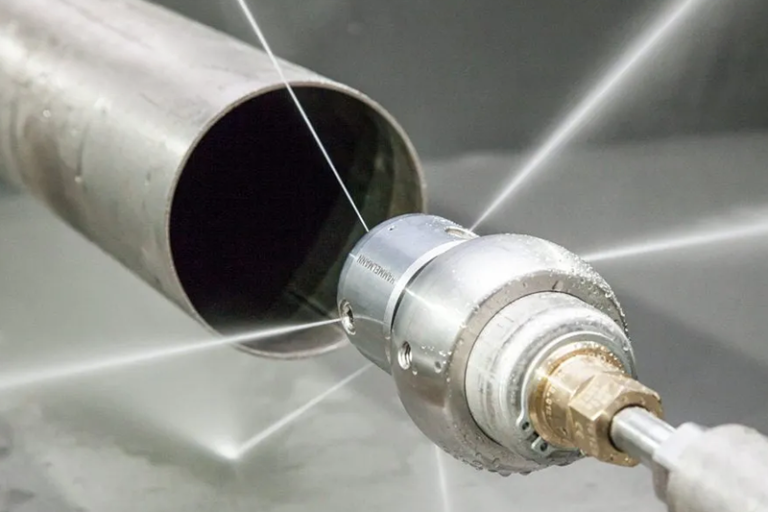
drain line jetting machine image

Drain Line Jetting

We deliver the best solution and provide a business strategy that makes you a full professional.
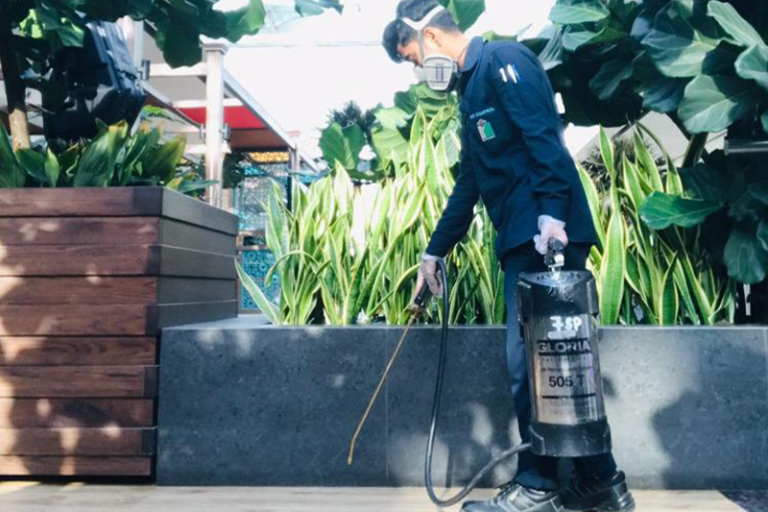
Man doing pest control with spray image

Pest Control Service

Pest control services are professional solutions offered to manage and eradicate pests that can pose a threat to property, health, or the environment.
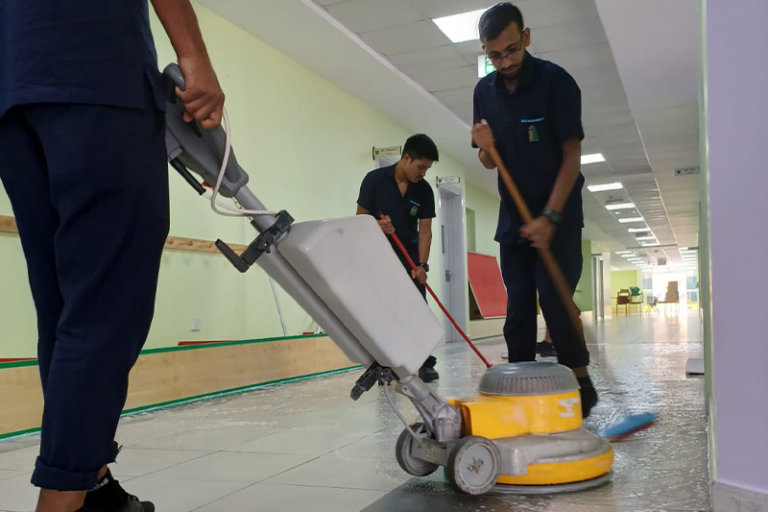
A group of people are providing deep cleaning service along with the dosing machine Image

Deep Cleaning

We deliver the best solution and provide a business strategy that makes you a full professional.

Why Choose Us

Grease Trap Cleaning UAE

28 years of expertise

Renowned name in facility management

New Technology

We are using latest techniques and technology

Customized Plans

We provide AMC & On call service

Satisfied Clients

40k+ clients trust our expertise

Book An Appointment Today

Blue Diamond would like to hear from you. if you have business inquiries. Get in touch with us.

Leave a Reply

Your email address will not be published. Required fields are marked *