FOG Compliance UAE: Landlord Guide to Protect Property & Avoid Fines

FOG compliance is not just a restaurant issue. In UAE commercial properties, fats, oils and grease from tenant kitchens can move quickly from a hidden maintenance problem to a serious asset-risk issue. FOG is the residue created by cooking oils, fats and grease discharged through sinks and drains, and grease traps are designed to intercept those materials before they enter wastewater systems and damage sewer infrastructure. In Dubai, food establishments are expected to maintain a food safety management system based on HACCP principles, and in Abu Dhabi the guidance is equally clear that grease traps, if used, must be easy to clean and not create a food-safety risk.

For landlords, property owners and facility managers, that means FOG Compliance UAE should be treated as part of building risk management, not a tenant-only concern. If your property includes restaurants, cafés, food courts, cloud kitchens or mixed-use food tenants, the cost of inaction can show up in blocked drains, bad odors, inspection issues and expensive repair work. Schedule your FOG compliance inspection today to avoid costly penalties.

FOG Compliance UAE means keeping fats, oils and grease under control through appropriate plumbing design, grease trap installation, regular cleaning, lawful waste handling and records that can be presented during inspections. Dubai’s Food Code requires food establishments to maintain a food safety management system based on HACCP principles, while Abu Dhabi food-service design guidance states that drainage and wastewater systems must be adequately sized, properly installed and maintained to avoid contamination.

For commercial and mixed-use properties, this matters because grease control is not only about the kitchen tenancy itself; it is also about the shared building infrastructure. Wastewater systems must be large enough to carry peak loads and remain water-tight, with adequate traps and vents. Where grease traps are used, they should be easily accessible for cleaning and must not pose a risk to food safety. Those are design and operations requirements that landlords and facility teams should verify, especially when leasing to food businesses.

What Is FOG Compliance in the UAE?

FOG Compliance UAE: Landlord Guide to Protect Property & Avoid Fines

Why Landlords Must Take FOG Compliance Seriously

Landlords often assume grease compliance sits entirely with the tenant. In practice, that is too narrow. If a tenant’s restaurant or café creates recurring drainage issues, the building owner may face operational disruption, tenant complaints, higher maintenance costs and weaker asset performance. From a property-management perspective, FOG Management UAE is part of protecting the building’s drainage system, service reputation and long-term value.

The risk becomes even greater in mixed-use assets where one poorly maintained kitchen can affect other tenants through shared lines or service corridors. In Abu Dhabi, for example, food-service guidance emphasizes that plumbing and waste-disposal systems should be maintained to avoid contamination and should be accessible for cleaning and inspection. That means landlords should verify not only that the grease trap exists, but that it is designed, installed and serviced in a way that supports ongoing compliance.

Risks of Non-Compliance

The most obvious risk is cost. Blocked drains, overflow incidents and damaged pipework can lead to emergency plumbing work and service interruptions. Less visible but equally important are the environmental and operational risks: grease can enter wastewater systems, increase clogging in sewage networks and create unpleasant odours that affect tenants and guests. Dubai’s grease-trap guidance framework is explicitly focused on maintaining grease traps, transporting their waste to recycling facilities, and ensuring the service companies involved are licensed and registered.

The compliance risk is just as real. When grease-trap records are missing or service is not documented properly, inspections become harder to pass and corrective action becomes more likely. Publicly available Dubai guidance states that grease trap cleaning and waste transport companies must hold valid Dubai licensing and register on the FoodWatch platform for relevant activities. That means property managers should expect documentation and traceability, not informal or ad hoc servicing

The Role of Grease Traps in FOG Compliance UAE

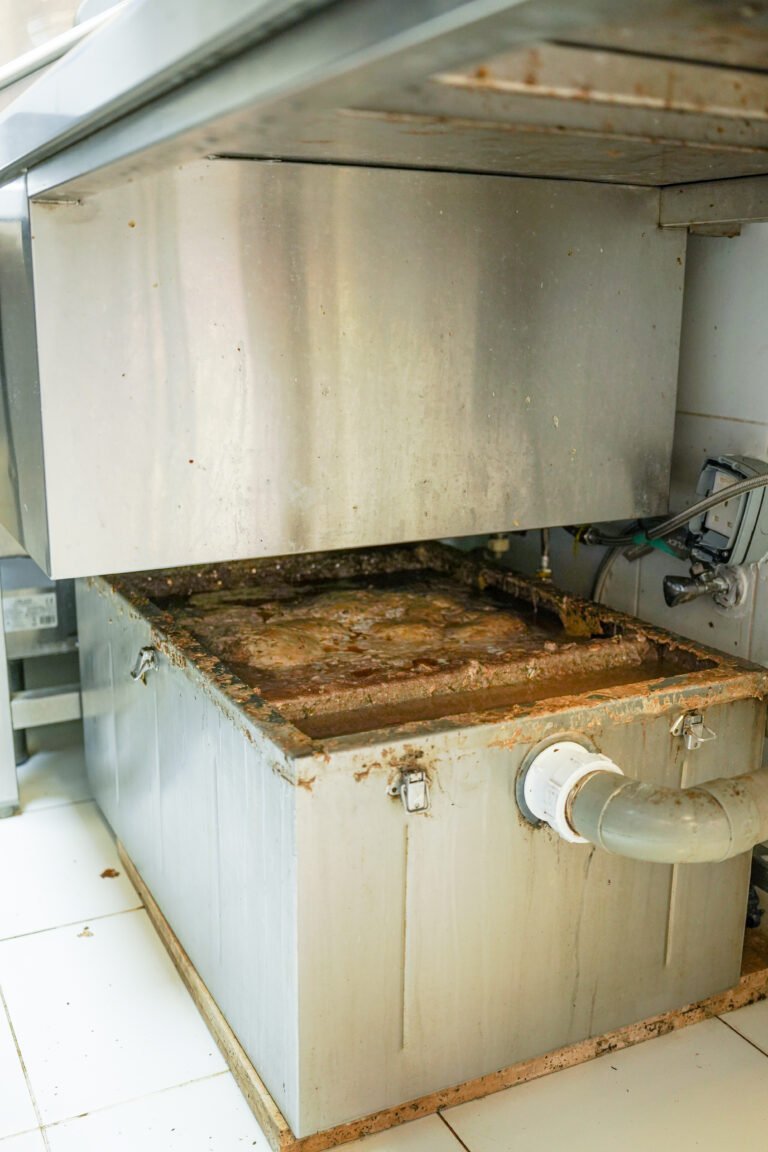
Grease traps are the frontline control in FOG Compliance UAE because they separate grease and solids from wastewater before discharge. A well-designed trap protects the sewer network, reduces blockages and helps the property maintain a compliant wastewater pathway. In Dubai, grease traps are treated as part of a wider waste-management approach that includes cleaning, maintenance, transport and recycling of the captured grease-trap waste.

For landlords, the key point is that grease traps are only effective if they are maintained regularly and kept accessible. Grease traps, where used, should be accessible for cleaning and should not pose a food-safety risk. The practical landlord takeaway is straightforward: a trap that is difficult to reach, poorly documented or not serviced on schedule creates a compliance weak point, even if the tenant is otherwise well managed.

Landlord Responsibilities for FOG Compliance

A landlord’s responsibilities begin with the fit-out and continue through the full lease cycle. At the installation stage, the drainage system should be suitable for peak loads, maintained in a way that avoids contamination and configured so that service access is possible. In Abu Dhabi guidance, plumbing and waste disposal lines should be large enough to carry peak loads and all floor sinks should be accessible for cleaning and inspection.

After the tenant opens, the landlord or building manager should make sure there is a routine for monitoring tenant compliance, scheduling cleaning and keeping records. In Dubai, the public grease-trap guidance framework and permit process place emphasis on licensed handling, approved transport and smart-platform compliance. That means property managers should ask for service reports, manifests and proof that the waste handler is licensed and registered to do the work.

FOG Compliance UAE: Landlord Guide to Protect Property & Avoid Fines

Best Practices for Managing FOG in Properties

The best FOG Management UAE programs are preventive, not reactive. Start with routine inspections, then align each food tenant with a scheduled grease-trap cleaning plan based on kitchen size, menu type and actual usage. In Dubai technical guidance, grease traps are expected to be maintained and cleaned regularly; one public technical guideline states at least weekly cleaning in the relevant context, while other public guidance indicates the frequency should be appropriate to the food establishment. The safe takeaway is that cleaning should be scheduled often enough to prevent buildup, not simply when a problem appears.

Landlords should also build the lease and house rules around compliance. That means tenant obligations for staff awareness, grease handling, access permissions and service scheduling should be written clearly into the agreement. For shared sites such as food courts, the property team should use a preventive maintenance plan and work with a certified service provider that can produce inspection-ready records. Where possible, keep a digital file of reports so that audits and tenant reviews can be handled quickly.

Professional FOG Compliance Services in UAE

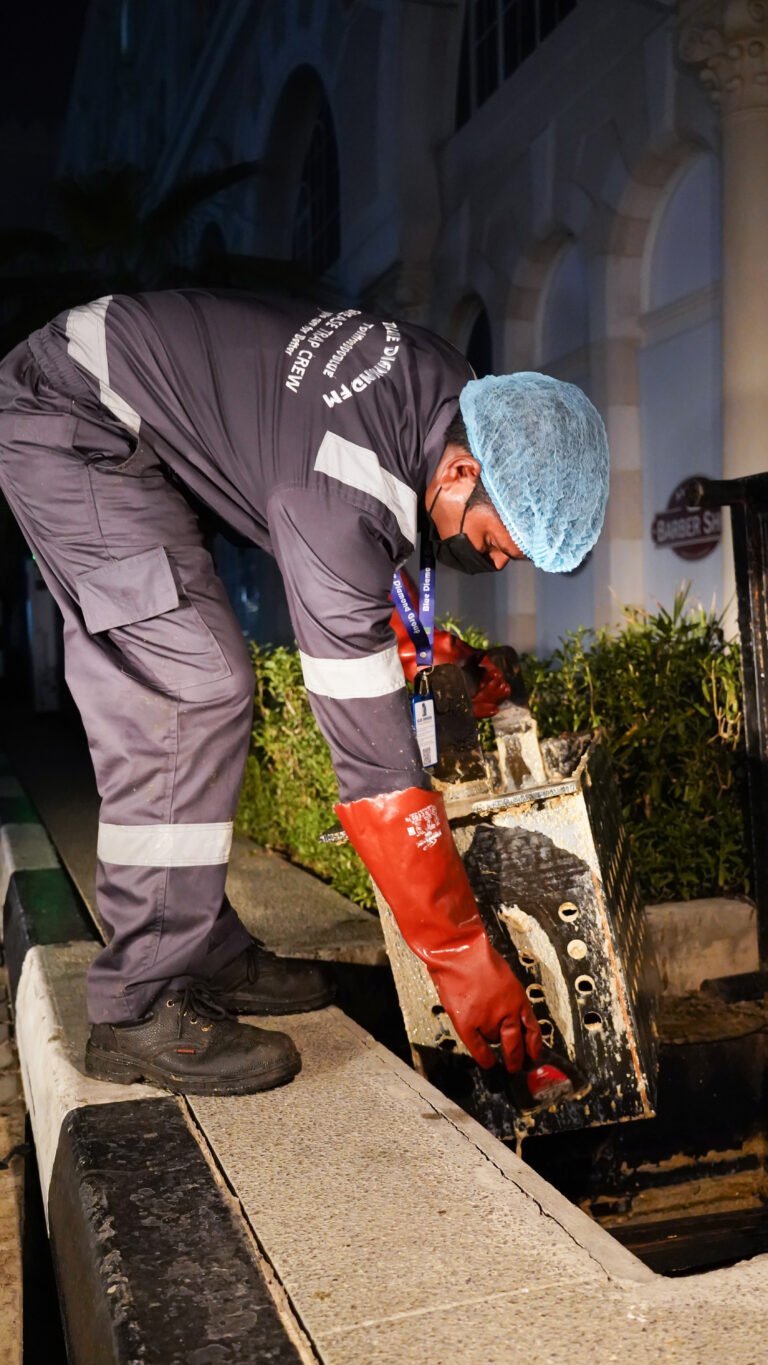
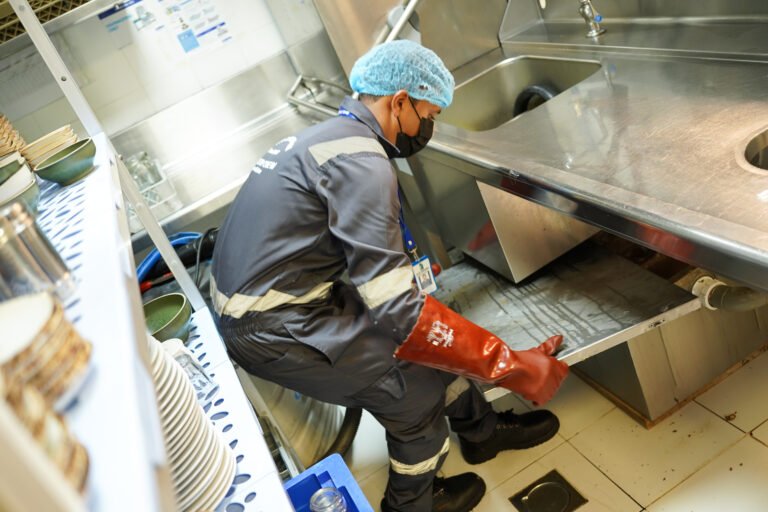
A professional service partner adds value by turning grease-trap maintenance into a documented compliance process. For landlords, that usually means scheduled Grease Trap Cleaning UAE, inspection reports, pump-out records, waste-transfer documentation and emergency support when a tenant has a blockage or overflow. Dubai’s public guidance on grease-trap waste specifically requires valid licensing for companies working in grease-trap cleaning and waste transport, plus registration on the FoodWatch platform for related activities.

Professional services also help reduce dispute risk. When a licensed provider documents each service visit, it becomes much easier to show that the landlord took reasonable steps to support compliance, protect the building and respond to maintenance issues. For portfolios with multiple sites across Dubai, Abu Dhabi, Sharjah and other Emirates, centralized reporting and scheduled service plans are especially useful because they reduce administrative friction and create a single source of truth.

Request a customized FOG compliance plan for your property portfolio.

How Often Should Grease Traps Be Cleaned?

The right frequency depends on the type of kitchen and the intensity of FOG output. High-volume kitchens, fry-heavy menus and shared food-court systems usually need more frequent service than small cafés or light-use operations. Publicly available Dubai guidance indicates grease traps must be cleaned regularly, and one technical guideline states weekly maintenance in the relevant context. The practical landlord position is to adopt a schedule that reflects usage, not guesswork, and to tighten that schedule whenever the tenant changes menu, volume or opening hours.

For landlords and facility managers, the safest approach is to require a documented maintenance plan from the service provider and review it periodically. If a tenant’s operation expands or becomes more grease-intensive, the service frequency should be updated. In a mixed-use property, one under-serviced unit can affect shared drainage lines, so the building-wide strategy matters.

What Documents Should Landlords Keep?

Good documentation is central to Commercial Kitchen Compliance UAE. Landlords should keep copies of service reports, pump-out records, manifests, vendor licensing details and any inspection notes. Dubai permit and approvals processes also run through the FoodWatch platform for applicable food-related activities, so property teams should know how tenant approvals and service records are being managed. The cleaner the documentation, the faster an inspection or tenant query can be resolved.

For portfolio properties, standardize the file structure. Keep a digital folder for each unit, with monthly service records and a running log of complaints or corrective actions. That way you can demonstrate compliance quickly if a tenant changes, a municipal auditor visits or a drainage issue escalates. This is one of the simplest ways to reduce both operating risk and response time.

Conclusion

For landlords, property owners and facility managers, FOG Compliance UAE is a practical protection strategy. It reduces the risk of blocked drains, protects shared infrastructure, supports tenant operations and helps you stay ready for inspections. The strongest programs combine compliant design, regular cleaning, licensed disposal and clear records that can be shown on demand. UAE food-service guidance makes it clear that grease traps must be accessible, wastewater systems must be properly sized and maintained, and cleaning and waste transport must be handled by approved parties.

If you manage a property portfolio with restaurants, cafés or food-court tenants, act before a drainage issue becomes a costly incident.

Contact us today to ensure your property is fully compliant and protected from fines across the UAE.

Phone: +971 55 996 3058

Email: info@bluediamondfm.com

Most Frequently Asked Question

FOG Compliance UAE refers to the systems and records used to manage fats, oils and grease in commercial kitchens so wastewater does not contaminate drains or create compliance issues. It typically includes grease traps, cleaning schedules, licensed disposal and documentation.

In practice, landlords should treat grease trap compliance as a property-risk issue, especially where tenant activity can affect shared drains or building infrastructure. Abu Dhabi guidance and Dubai permit processes show that accessible, maintained systems and proper documentation are essential.

The frequency depends on the kitchen type and FOG load. Public Dubai guidance indicates traps should be cleaned regularly, and technical guidance in some contexts points to weekly cleaning, while larger or heavier-use kitchens may require more frequent service.

Non-compliance can lead to enforcement action, corrective work, disruption and financial penalties, especially where records are missing or waste is handled by unlicensed providers. Dubai’s public guidance emphasizes licensing, registration and proper waste transport.

Yes. Abu Dhabi food-service guidance says grease traps, if used, should be easily accessible for cleaning and should not pose a food-safety risk.

Yes, and that is often the simplest route. Dubai’s public guidance for grease-trap waste handling requires licensed companies to clean and transport grease-trap waste, with FoodWatch registration for the relevant activities.

Our Services

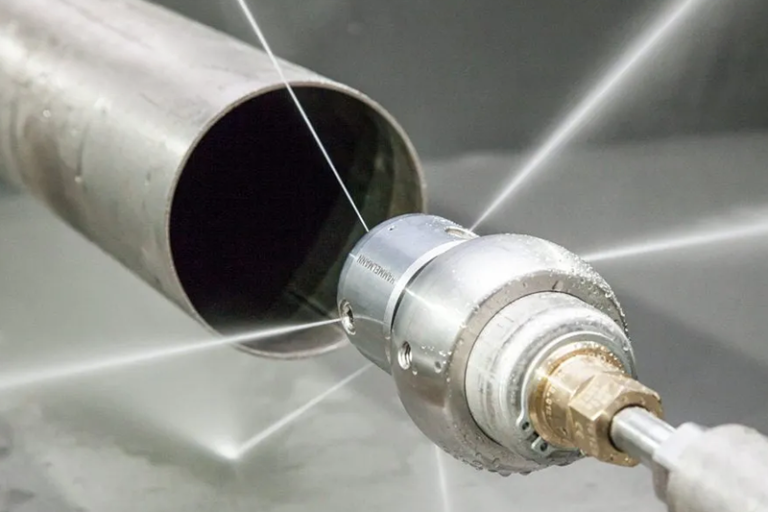
Our step-by-step guide simplifies the cleaning process, ensuring a hassle-free experience while keeping your traps clean.

drain line jetting machine image

Drain Line Jetting

We deliver the best solution and provide a business strategy that makes you a full professional.
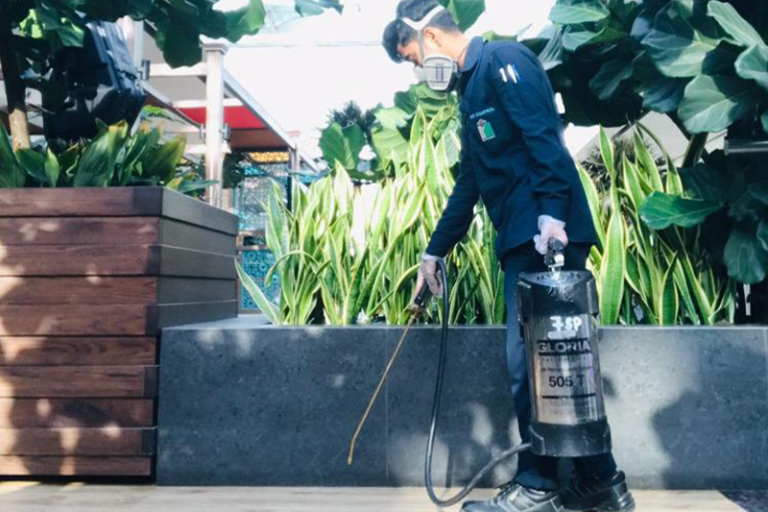
Man doing pest control with spray image

Pest Control Service

Pest control services are professional solutions offered to manage and eradicate pests that can pose a threat to property, health, or the environment.
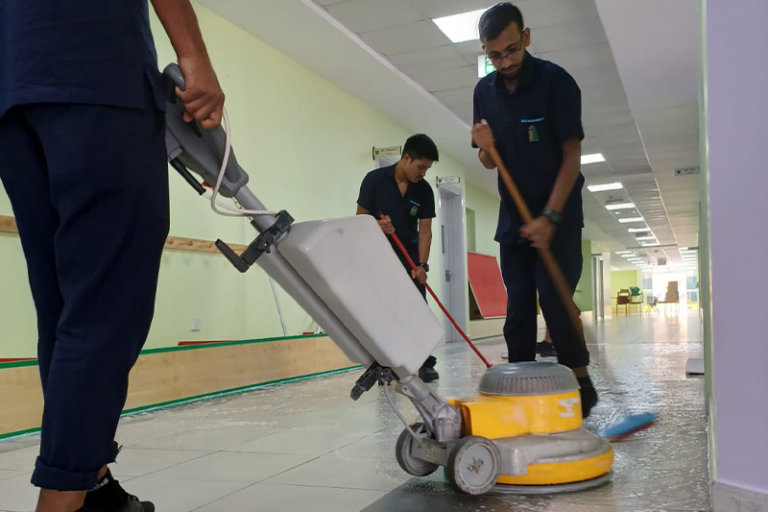
A group of people are providing deep cleaning service along with the dosing machine Image

Deep Cleaning

We deliver the best solution and provide a business strategy that makes you a full professional.

Why Choose Us

Grease Trap Cleaning UAE

28 years of expertise

Renowned name in facility management

New Technology

We are using latest techniques and technology

Customized Plans

We provide AMC & On call service

Satisfied Clients

40k+ clients trust our expertise

Book An Appointment Today

Blue Diamond would like to hear from you. if you have business inquiries. Get in touch with us.

Leave a Reply

Your email address will not be published. Required fields are marked *