Restaurant Drain Blockages: Is Your Grease Trap Responsible?
A blocked floor drain at 7pm on a Friday is a very particular kind of emergency. Water pools around the dishwash station, the smell reaches the pass and someone is already on the phone to a plumber. After the drain is cleared, everyone relaxes. Then, two weeks later, it happens again.
Recurring restaurant drain blockages rarely come from bad luck. They come from a cause that was treated rather than found. Often that cause is the grease trap, but not always. This guide shows you how to tell the difference: the warning patterns that point to your trap, the other things that block kitchen drains, a simple diagnostic you can run before calling anyone, and what to do next in each case.
Restaurant drains carry a harsher mix than domestic ones: hot water, detergents, fats, oils, grease and food solids, all in large volumes. As that wastewater cools in the pipework, grease separates and sticks to pipe walls, where it traps food particles and builds up layer on layer. Left alone, the effective bore of the pipe shrinks until water can barely pass.
A grease trap exists to intercept most of that grease before it reaches the drain. When it works, it protects the pipework. When it’s full, undersized or failing, grease passes through, and blockages follow.
Over time, this buildup doesn’t just slow drainage, it creates full obstructions that force wastewater back into kitchen floors, shared risers, or even municipal lines. Once a trap reaches that point, reactive cleaning becomes more costly and disruptive than routine maintenance. Regular inspection and scheduled pump‑outs are the only way to keep grease traps functioning as intended. Ultimately, proactive grease management protects kitchens from downtime, foul odors, and avoidable plumbing emergencies.
Why Kitchen Drains Block in the First Place
Different causes leave different fingerprints. These patterns point toward the trap:
- Blockages recur in the same drain line: within days or weeks of being cleared
- Several fixtures slow down together: (dishwash sinks, pre-rinse and floor drains on the same line)
- A foul, sour odor: near drains or the trap access point
- Visible grease: at the trap cover, seal or on nearby floors
- Water drains slowly even after a chemical or plunger fix, then returns to slow
- The last service was a long time ago, or you can’t say when it was
- Grease-laden water backs up: from the trap outlet or inspection chamber
If you recognize three or more of these, the trap is a prime suspect. For a deeper look at the early symptoms, see our guide to the five signs your commercial kitchen needs grease trap cleaning.
Is Your Grease Trap Responsible? The Pattern Test
When the Grease Trap Is Not the Problem
It’s equally important to know when the trap isn’t the cause, because cleaning a healthy trap won’t clear a blockage somewhere else. Common non-trap causes include:
Food Solids and Foreign Objects
Rice, pasta, coffee grounds, vegetable peelings, cloths, gloves and bottle caps can lodge in a pipe bend or fixture trap. These usually cause a sudden blockage in one specific location, not a gradual slowdown across several drains.
Damaged or Collapsed Pipework
Cracked, misaligned or collapsed sections, tree-root or construction damage, and poorly graded pipe runs hold water and debris. These blockages recur in the same spot regardless of how recently the trap was cleaned.
Poor Falls or Design Faults
Pipes laid with too little gradient, long flat runs and sharp bends slow flow and let solids settle. This is common in older buildings and after poorly executed fit-outs.
Blocked Building or Shared Drainage
In towers, malls and shared strips, the blockage may sit downstream of your premises in a communal line. The signs are blockages that affect neighbouring tenants too, or that occur even when your own trap has just been serviced.
Ventilation and Airlock Problems
Blocked or missing drain vents can cause slow draining, gurgling and odors that look like blockages but aren’t.
Undersized or Overloaded Systems
A trap and pipework sized for a lighter kitchen can’t cope with a busier one. Menu changes, extended hours or an added dishwasher can overload a system that once worked perfectly.
A Simple Diagnostic Before You Call
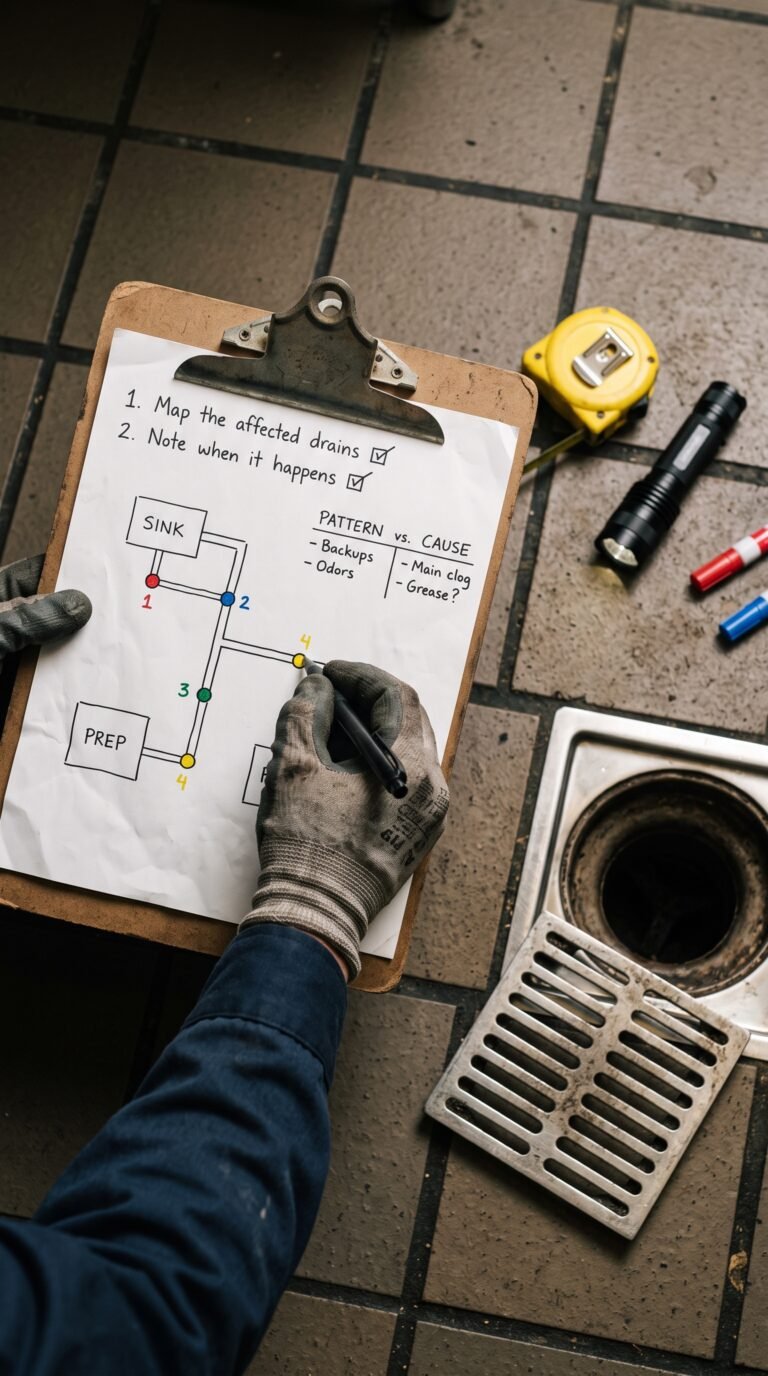
You don’t need tools to narrow down the cause. Work through these steps and note what you find:
- Map the affected drains: Is it one fixture, several fixtures on one line, or every drain in the kitchen?
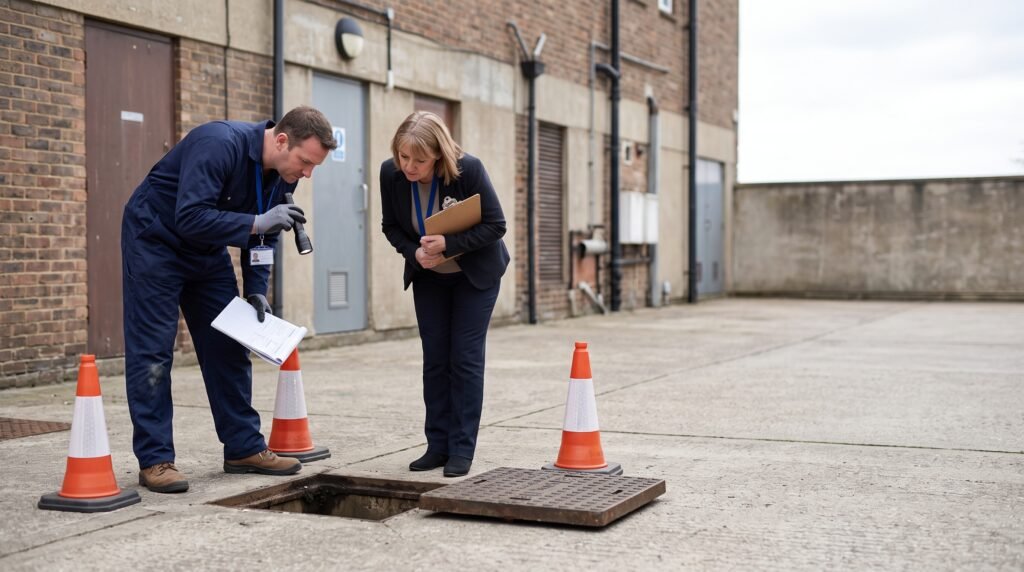
- Check the grease trap: With the right access and safety precautions, is the cover wet with grease? Is there overflow, odor or visible build-up?
- Check the last service date: Compare it with the interval recommended for your kitchen type.
- Note when it happens: Does it worsen after peak service, after a specific task or at certain times of day?
- Ask the neighbours: If adjacent outlets have similar problems, the cause may be shared drainage.
- Record previous fixes: What was done, who did it and how long did the fix last?
Share these notes with your contractor. A good technician will use them to avoid wasting time and to give you a clearer diagnosis.
Matching the Symptom to the Likely Cause
| What You See | Most Likely Cause | First Action |
|---|---|---|
| Multiple drains slow, odor near trap, long since last service | Overloaded grease trap | Book a full pump-out and cleaning |
| One sink blocks suddenly, then clears | Food or object in a fixture trap or bend | Clear the fixture; check strainers and habits |
| Same drain blocks again within weeks of clearing | Grease build-up in downstream pipework | Trap clean plus drain-line jetting |
| Blockages in the same spot regardless of servicing | Pipe damage, poor falls or design fault | CCTV drain survey |
| Neighbouring units also affected | Shared building drainage | Report to building management |
| Gurgling and odor, drains eventually clear | Ventilation or airlock issue | Have vents and air admittance checked |
| Frequent overload even with regular cleaning | Undersized trap or system | Sizing assessment |
What To Do Next in Each Case
If the Grease Trap Is the Likely Cause
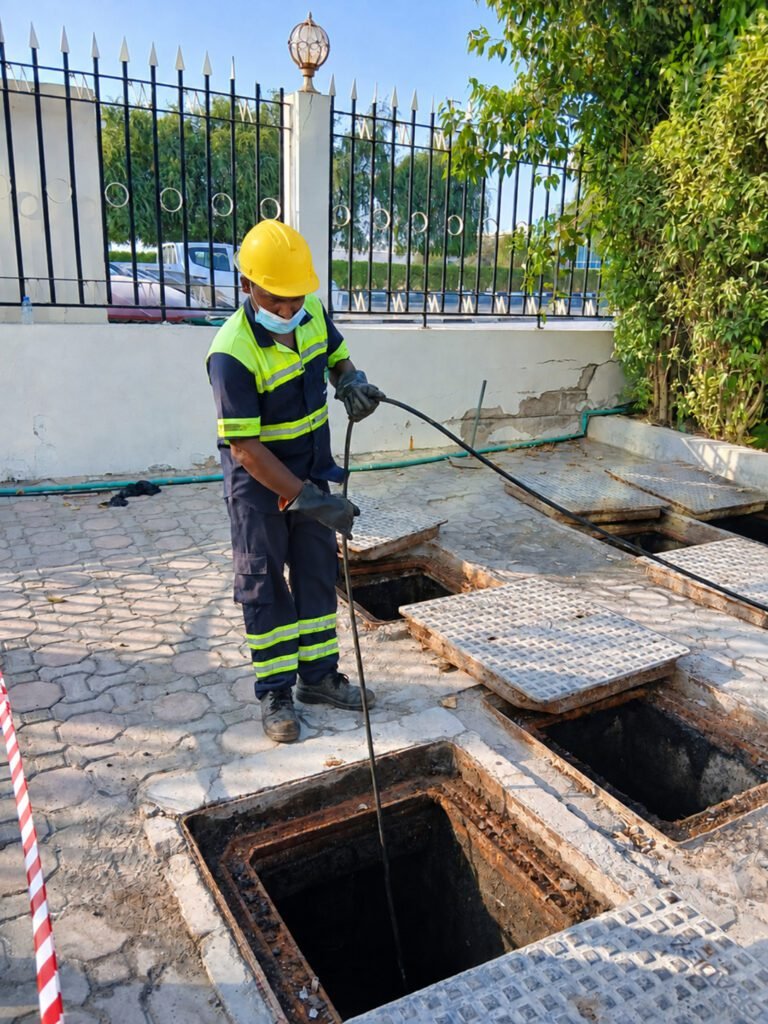
Book a full service: pump-out of liquids, solids and the grease cap, wall and baffle scraping, inlet and outlet flushing and an inspection of the unit. Ask for a dated certificate and disposal record. If blockages have recurred, ask for the downstream drain line to be inspected or jetted too, since grease may already have built up beyond the trap. Then put the trap on a schedule so it doesn’t happen again. See our guide to annual grease trap maintenance plans.
If the Cause Is Elsewhere
Ask for a drain survey, typically CCTV, which shows the condition of the pipework from inside and pinpoints damage, build-up or poor falls. Repairs, relining or re-laying should follow the survey, not precede it.
If Shared Drainage Is Involved
Contact building management with a record of the dates and affected fixtures. They may need to arrange work on the communal line, and a documented maintenance history for your own trap is useful evidence that your unit isn’t the source.
The Hidden Costs of Restaurant Drain Blockages
A blockage rarely costs only the callout fee:
- Lost trading: when the dishwash station or kitchen floor is out of action
- Emergency rates: for out-of-hours callouts
- Food-safety risk: from standing wastewater and odor
- Pest attraction: since wet grease and standing water draw cockroaches and flies
- Inspection failures: and potential penalties
- Damage to equipment and flooring: from backed-up water
- Reputation damage: if customers notice smells or staff are visibly dealing with overflows
A small, scheduled maintenance cost almost always works out cheaper than a single bad night.
Preventing Restaurant Drain Blockages
Prevention comes down to four habits:
- Service the grease trap on schedule: matching the interval to your kitchen type and actual grease output
- Control what goes down the drain: scrape plates and pans into bins, use sink strainers, wipe greasy cookware before washing and never pour used cooking oil down any drain
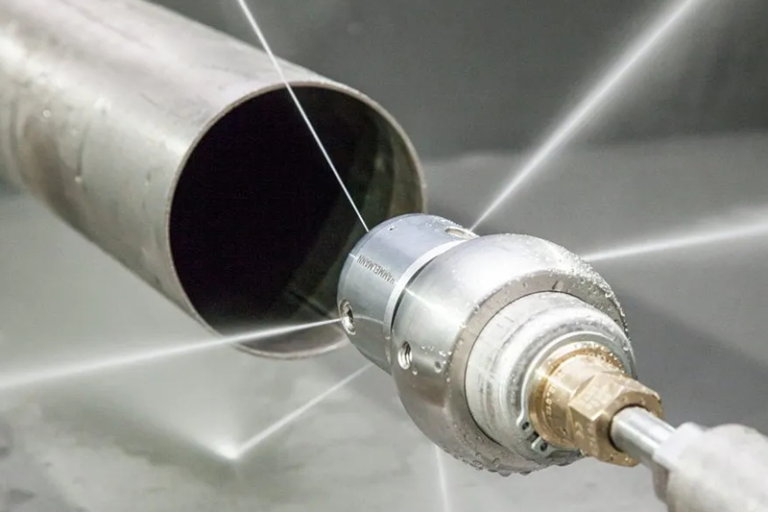
- Keep drains clean: schedule periodic drain-line jetting for heavily used lines
- Act on early warning signs: slow drains, odors or gurgling are cheap to fix when they first appear and expensive when ignored
Typical Grease Trap Service Intervals
| Kitchen Type | Typical Interval |
|---|---|
| High-volume fried or grilled cuisine | Every 2–4 weeks |
| Standard full-service restaurants | Every 4–6 weeks |
| Cafés and low-oil-output outlets | Every 6–8 weeks |
| Cloud kitchens with multiple brands | Every 2–4 weeks |
Your approved conditions or local authority guidance may set a specific interval, so follow that where it applies.
What About Chemical and Enzyme Drain Treatments?
They’re tempting after a blockage, but treat them with caution:
- Caustic or acid drain openers: can damage pipes and fixtures and are hazardous to staff
- Enzyme and bacterial products: may help with odor in some situations, but they don’t remove accumulated grease and solids, and they can carry grease further down the line
- Hot water flushing: only moves melted grease downstream, where it re-solidifies
None of these replaces proper cleaning of the trap and, where needed, mechanical jetting of the lines.
Get to the Cause, Not Just the Clear
Recurring restaurant drain blockages are almost always a sign that the real cause hasn’t been found. Sometimes it’s an overloaded grease trap, sometimes it’s pipework, a design fault or shared drainage. The right fix starts with the right diagnosis.
Book a free kitchen drainage assessment with Blue Diamond Team. They will inspect your grease trap and connected drains, identify the likely cause and give you a clear written recommendation, whether that’s a trap clean, drain-line jetting, a CCTV survey or a maintenance schedule, for restaurants and food businesses anywhere in the UAE.
Contact us today on WhatsApp | Call | Email
Phone: +971 55 996 3058
Email: info@bluediamondfm.com
Most Frequently Asked Question
Yes. A full, overloaded or poorly maintained trap lets grease pass into the drain line, where it cools, hardens and gradually blocks the pipe. The warning signs include recurring blockages, slow drains on several fixtures, odors and visible grease at the trap.
Look at the pattern. Multiple slow drains, odor near the trap and a long gap since the last service point to the trap. A single sudden blockage suggests an object or food solids, and blockages that recur in one spot regardless of servicing suggest pipe damage or poor falls. A CCTV survey will confirm.
It depends on the line's use and history. Heavily used lines in high-grease kitchens often benefit from periodic jetting alongside regular trap servicing. Ask your contractor to recommend an interval after inspecting the system.
Stop sending greasy water into the affected drains where possible, move food prep away from standing water, and make the area safe against slips. Avoid caustic chemicals, and note symptoms and timing to share with the technician.
That depends on where the blockage sits and the lease terms. Blockages in your own pipework and trap are generally your responsibility, while communal lines are usually managed by building management. Keep service records to show your trap is maintained.
Our Services
Our step-by-step guide simplifies the cleaning process, ensuring a hassle-free experience while keeping your traps clean.
Drain Line Jetting
Pest Control Service
Deep Cleaning
business
Our Working Process
Let’s start the journey towards success and enhance revenue for your business. Take your company to the next level.
Book An Appointment Today
Blue Diamond would like to hear from you. if you have business inquiries. Get in touch with us.