Grease Trap Cleaning for Restaurants: How Long Does It Take?
One of the most common questions restaurant owners and kitchen managers raise before booking a service is a practical one: how long will it actually take? Scheduling grease trap cleaning for restaurants around lunch and dinner service, supplier deliveries, and staff shifts is a genuine operational concern, and few kitchen managers can afford to have their back-of-house tied up during peak hours. Understanding the typical duration of a professional visit, and the variables that influence it, allows restaurants to plan service appointments with confidence rather than uncertainty.
This guide walks through exactly how long grease trap cleaning for restaurants typically takes from start to finish, the factors that can extend or shorten a visit, and the scheduling practices that experienced facility managers use to keep disruption to an absolute minimum while remaining fully compliant with Dubai Municipality requirements.
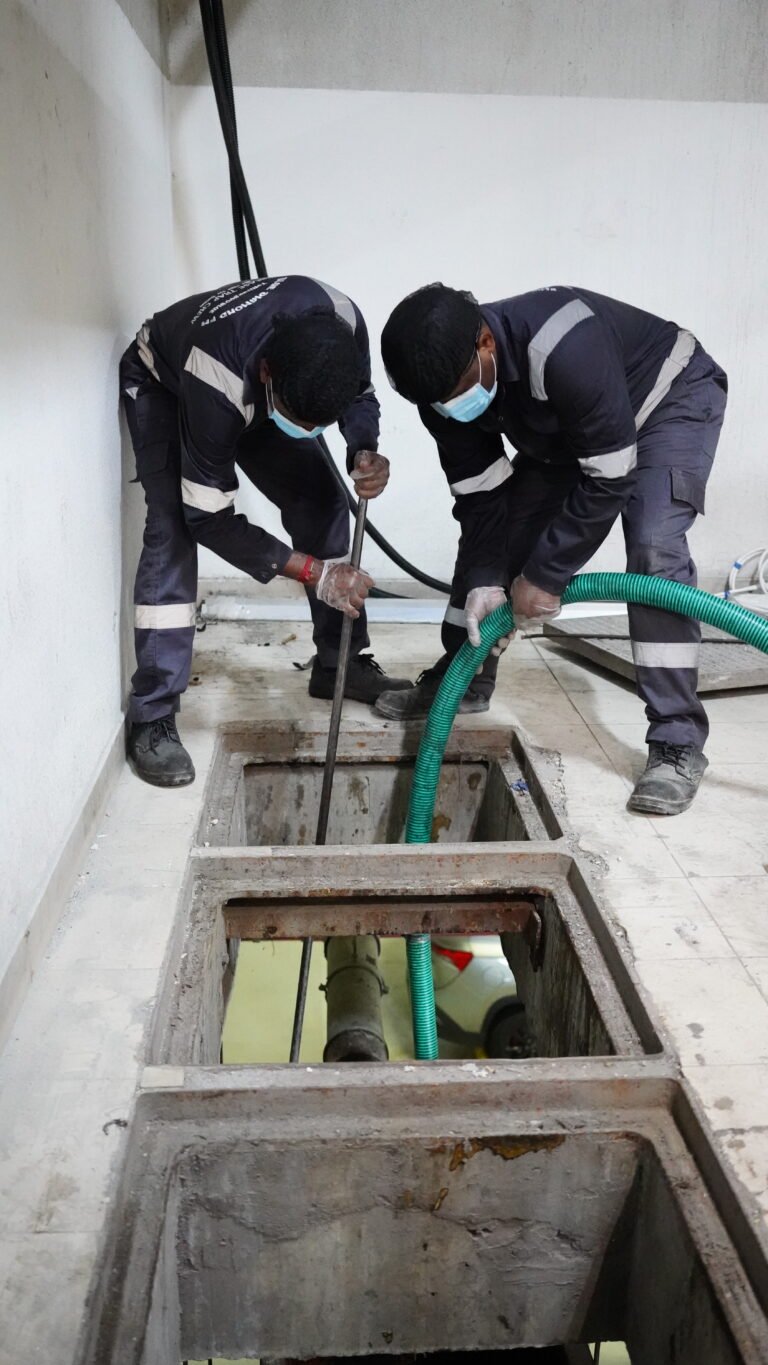
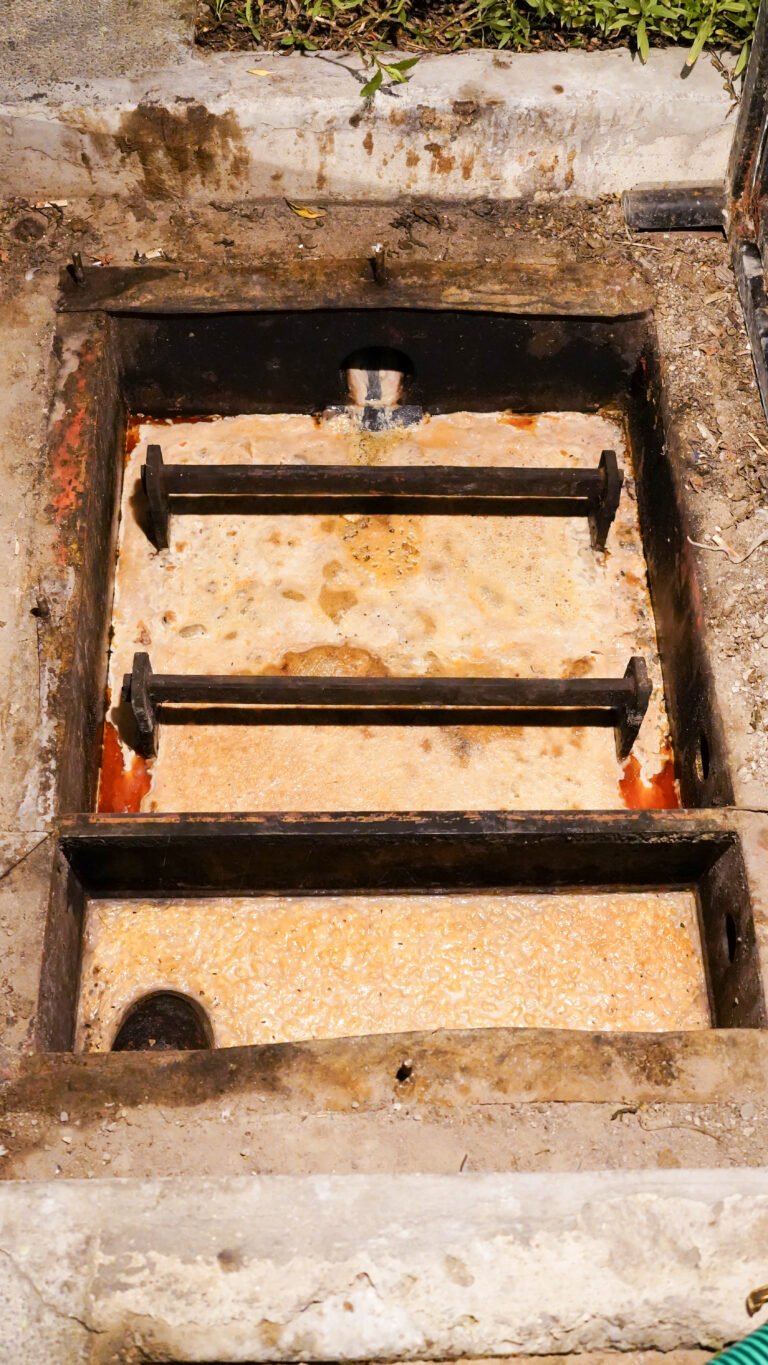
For most standalone restaurants and cafes, a complete grease trap cleaning service takes between thirty minutes and roughly one and a half hours, measured from the moment the technician arrives and begins setup to the point at which the completed service report is signed off. Larger operations, including hotel kitchens, banquet halls, and high-volume fast-food outlets, should generally expect the process to run closer to two or three hours, given the larger trap volume and the additional grease accumulation that comes with higher-output cooking. A typical visit unfolds across four distinct stages: initial setup and access to the trap, vacuum pumping of liquid waste, manual scraping of solidified grease from the trap walls and baffles, and a final cleanup and documentation stage.
The list below outlines general time ranges by facility type, drawn from typical service patterns observed across commercial kitchens throughout the UAE. These figures are intended as a planning guide rather than a fixed guarantee, since every kitchen’s layout and grease load differs slightly:
- Small cafe or takeaway outlet (under-counter trap): 20–40 minutes
- Mid-size restaurant (in-ground trap, moderate volume): 45–90 minutes
- Hotel kitchen or banquet facility (large in-ground interceptor): 2–3 hours
- Labor camp or catering kitchen (multiple traps, high volume): 2–4 hours
Average Time for Grease Trap Cleaning for Restaurants
What Affects How Long Grease Trap Cleaning for Restaurants Takes
While the ranges above offer a useful starting point, the actual duration of any given appointment depends on several variables specific to your kitchen. Understanding these factors in advance helps restaurant owners set realistic expectations and, in many cases, take simple steps that shorten future visits.
1. Trap Size and Location
The physical size and placement of the grease trap has a direct bearing on service time. An under-sink or under-counter trap sits within easy reach and can typically be accessed, pumped, and cleaned in a matter of minutes, whereas an in-ground interceptor located outside the kitchen requires longer hose runs, additional setup, and frequently a two-person crew to manage safely. Traps that are buried beneath flooring, positioned in tight service corridors, or otherwise difficult to reach will naturally extend the overall time a technician needs to spend on site.
2. Grease Accumulation Level
A trap that is serviced on a consistent schedule, generally every four to eight weeks, tends to clear far more quickly because the grease inside has not had time to solidify into a dense, stubborn layer. A trap that has been neglected for months, by contrast, often contains hardened fats, oils, and grease (FOG) that must be manually scraped away before pumping can even begin, which can add significant time to the visit. This is one of the central reasons providers recommend grease trap cleaning for restaurants on a fixed, recurring interval rather than waiting until odors or blockages force an emergency call.
3. Kitchen Access and Timing
The time of day a service is scheduled plays a meaningful role in how efficiently the work can be completed. Booking during off-peak hours, such as mid-morning before the lunch rush or late afternoon ahead of dinner prep, allows technicians to move freely around the trap without navigating active cooking stations, kitchen staff, or incoming deliveries. Restaurants that schedule appointments during peak service hours frequently experience longer total visit times, simply because access to the trap becomes intermittent or delayed.
4. Number of Traps on Site
Larger kitchens, hotels, and multi-outlet food courts often operate more than one grease trap or interceptor across different stations or tenants. Servicing several units during a single visit naturally extends the total time a crew spends on site, even though each individual trap may only require thirty to forty-five minutes of dedicated attention. Facilities with multiple traps should factor this into their scheduling expectations and, where possible, coordinate all units for the same appointment to reduce repeat visits.
5. Documentation and Compliance Reporting
Licensed providers typically allocate an additional five to ten minutes at the close of every job to complete a waste transfer manifest and service report for the client’s compliance records. While this adds a small amount of time to the overall visit, it is a worthwhile and necessary step, since this documentation is precisely what protects a restaurant during a Dubai Municipality inspection and confirms that waste was collected and disposed of through a properly licensed and approved channel.
What Happens During a Standard Grease Trap Cleaning Visit
To understand why a professional visit takes the time it does, it helps to walk through what a thorough service actually involves. A properly executed appointment is not a single quick action but a structured sequence of steps, each of which contributes to a compliant and genuinely effective clean:
- Setup: Technicians position the vacuum truck or unit and open the trap access point
- Pumping: Liquid waste, oils, and grease are vacuumed out of the trap
- Scraping: Solid grease buildup on the trap walls and baffles is manually removed
- Inspection: The trap and surrounding pipework are checked for damage or wear
- Cleanup and reporting: The area is wiped down and a waste transfer manifest is issued
Recognizing these individual stages makes it clear why grease trap cleaning for restaurants is not, and should not be treated as, a five-minute task, even for smaller under-counter traps. Each step contributes directly to the thoroughness of the clean and to the compliance documentation your business will rely on if questioned during an inspection.
How to Schedule Grease Trap Cleaning for Restaurants Without Disrupting Service
Restaurant operators who want to minimize disruption to their kitchen while staying fully compliant tend to follow a few consistent scheduling practices. These are worth adopting as standard procedure rather than an afterthought each time a service is due:
- Book during low-traffic hours — mid-morning or between lunch and dinner service
- Set a recurring schedule (every 4–8 weeks) so grease never hardens and visits stay short
- Confirm technician access to the trap location in advance to avoid setup delays
- Ask your provider for an estimated duration based on your specific trap size and volume
Plan Ahead for Faster, Hassle-Free Grease Trap Cleaning
Grease trap cleaning for restaurants typically takes anywhere from thirty minutes to a few hours, with the exact duration shaped by trap size, grease accumulation, and how easily the trap can be accessed on the day of service. The most reliable way to keep these visits short, predictable, and free of unwelcome surprises is to commit to a consistent cleaning schedule with a licensed provider who documents every job thoroughly and communicates clearly about expected timing in advance.
Need to schedule grease trap cleaning for your restaurant without disrupting service hours? Contact our team today for a fast, Municipality-compliant service quote tailored to your kitchen’s size and schedule.
today on WhatsApp | Call | Email
Phone: +971 55 996 3058
Email: info@bluediamondfm.com
Most Frequently Asked Question
Most small restaurants with an under-counter trap can expect the service to take between twenty and forty minutes in total, a window that includes both setup and final cleanup.
When the appointment is scheduled during off-peak hours, the vast majority of restaurants experience minimal disruption to their day-to-day operations, since technicians generally only need access to the trap area rather than the kitchen as a whole.
Most commercial kitchens require grease trap cleaning every four to eight weeks, with the exact frequency depending on cooking volume and the type of food being prepared. Higher-output kitchens often benefit from more frequent servicing, which also helps keep each individual visit shorter.
In most cases, yes. Technicians are generally able to work around active service when necessary, though scheduling the appointment during quieter hours reduces overall visit time and helps avoid the access delays that can occur during busy service periods.
Heavy grease accumulation, lack of regular maintenance, difficult trap location, or large commercial traps can extend the cleaning time to 2 hours or more.
Yes, small to medium grease traps can be cleaned during operating hours with minimal disruption. However, for larger traps or heavy buildup, it’s recommended to schedule cleaning during off‑peak times to ensure safety and efficiency.
Our Services
Our step-by-step guide simplifies the cleaning process, ensuring a hassle-free experience while keeping your traps clean.
Drain Line Jetting
Pest Control Service
Deep Cleaning
business
Our Working Process
Let’s start the journey towards success and enhance revenue for your business. Take your company to the next level.
Book An Appointment Today
Blue Diamond would like to hear from you. if you have business inquiries. Get in touch with us.