Grease Trap Waste: How It Impacts Kitchen Drainage and the Best Solutions to Fix It

Grease trap waste is one of the leading causes of kitchen downtime and costly plumbing repairs for food service establishments in the UAE. When grease trap waste accumulates unnoticed, it can cause slow sinks, foul odours, drainage blockages and even municipal enforcement actions. This guide explains what grease trap waste is, how it forms, its impact on kitchen drainage, and the best professional solutions — with practical maintenance tips that align with UAE kitchen compliance standards.

What is Grease Trap Waste?

Grease trap waste is the mixture of fats, oils, grease (FOG) and food solids that a grease interceptor captures before wastewater enters the sewer. Components commonly found in grease trap waste include cooking oil, butter and margarine residues, dairy fats, sauces, coffee oils and suspended food particles. Capturing these elements keeps kitchen drainage clear, but only if the grease trap waste is removed regularly and disposed of correctly.

How Grease Trap Waste Forms and Why It Becomes a Problem

Grease trap waste forms when warm wastewater carrying oils and food solids cools and separates inside the interceptor. The grease floats and adheres to baffles or pipe walls while heavier solids settle. Over time, layers of grease trap waste harden and restrict flow. In cafés, bakeries and restaurants, repetitive small discharges (espresso rinses, pastry washes) steadily fill traps and accelerate buildup.

Key contributors to grease trap waste formation:

  • Frying and deep-fat cooking (large oil volumes)

  • Dairy, butter and pastry fats that congeal at lower temperatures

  • Coffee oils and emulsified fats that form persistent films

  • Improper disposal of oil into sinks or drains

Grease Trap Waste in UAE
Licensed Grease Trap Cleaning in Dubai: Key Benefits for Restaurants & Cafés

How Grease Trap Waste Impacts Kitchen Drainage Systems

Grease trap waste directly affects kitchen drainage and overall sanitation.

The mechanics of drainage blockages

  • FOG enters the grease interceptor and accumulates as a floating layer.

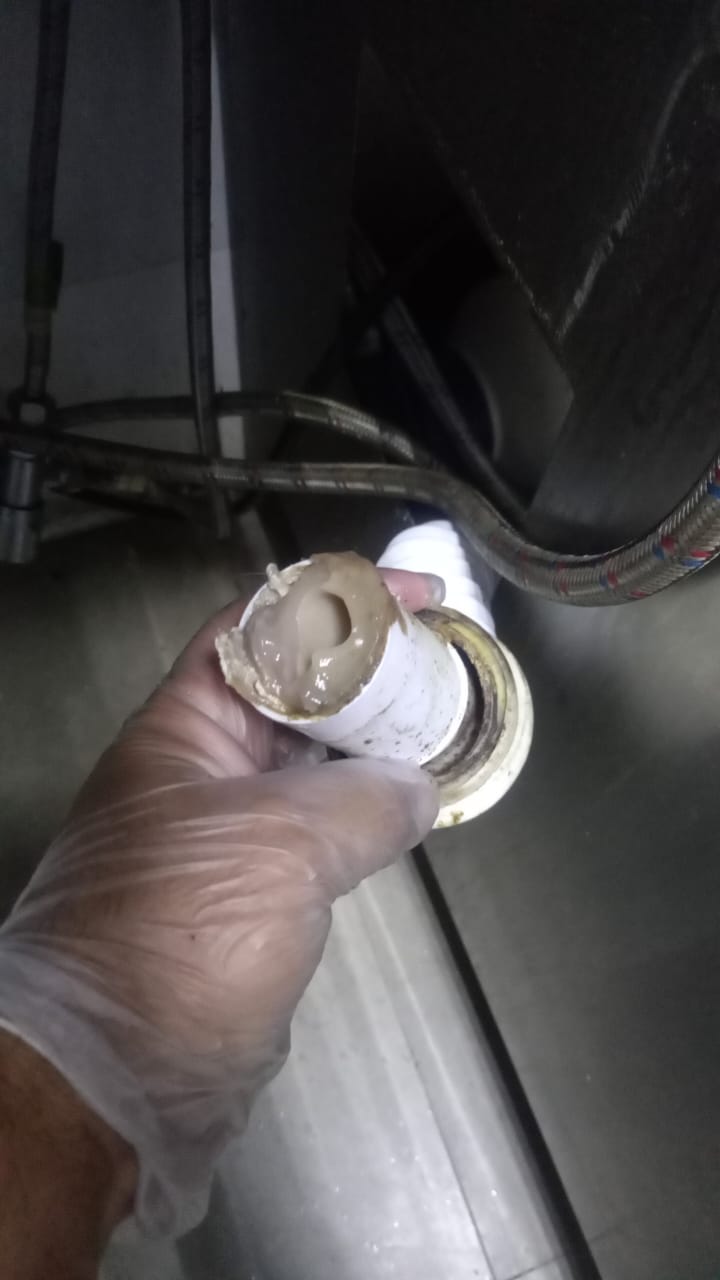
  • Food solids and crumbs settle and combine with grease to form sludge.

  • Over time, layers adhere to pipe walls and reduce the pipe’s effective diameter.

  • Reduced flow leads to gurgling drains, slow sinks and eventual drainage blockages.

Operational consequences

  • Service interruptions: blocked drains can force temporary kitchen shutdowns during peak service.

  • Health and hygiene risks: stagnant wastewater and odours attract pests and lower hygiene scores.

  • Municipal penalties: failure to manage grease trap waste can trigger fines under Dubai Municipality and other UAE authorities.

Warning Signs of Grease Trap Waste Buildup

Recognize these signs early to avoid escalation:

  • Slow or gurgling sinks and floor drains

  • Persistent foul odours from dishwash or wash-up areas

  • Visible grease on drain covers or trap lids

  • Recurrent clogs despite daily cleaning measures
    If you spot any of the above, schedule a professional grease trap cleaning immediately to prevent larger drainage blockages.

Grease Trap Waste

Common Mistakes Kitchens Make with Grease Trap Waste

Many food service operators unintentionally worsen grease trap waste issues by following poor practices:

  • Pouring cooking oil directly down drains.

  • Relying solely on strainers and passive cleaning.

  • Skipping documented grease trap maintenance and service logs.

  • Using unlicensed waste collectors for FOG waste disposal.

  • Under-sizing interceptors for high-volume kitchens.

Avoid these mistakes by adopting scheduled maintenance and licensed disposal procedures.

Short-Term Fixes vs Long-Term Solutions

Short-term fixes (when a blockage occurs)

  • Stop water usage immediately in affected areas.

  • Call an emergency licensed pump-out service to remove grease trap waste.

  • Avoid chemical drain cleaners — they may worsen emulsions and complicate disposal.
    Short-term fixes restore flow quickly but don’t solve underlying grease trap waste management problems.

Long-term professional solutions

  • Scheduled grease trap cleaning contracts with licensed providers.

  • Interior scraping, pressure-wash of traps and measured pump-outs.

  • Upsizing or retrofitting interceptors for capacity and access improvements.

  • Installing automatic grease interceptors or grease recovery units.

  • Digital monitoring (sensors) to trigger service before traps overflow.
    Long-term solutions reduce emergencies, protect plumbing assets and support UAE kitchen compliance.

Best Professional Grease Trap Cleaning Practices

Professional services should include:

  • Pre-inspection and site-specific service planning.

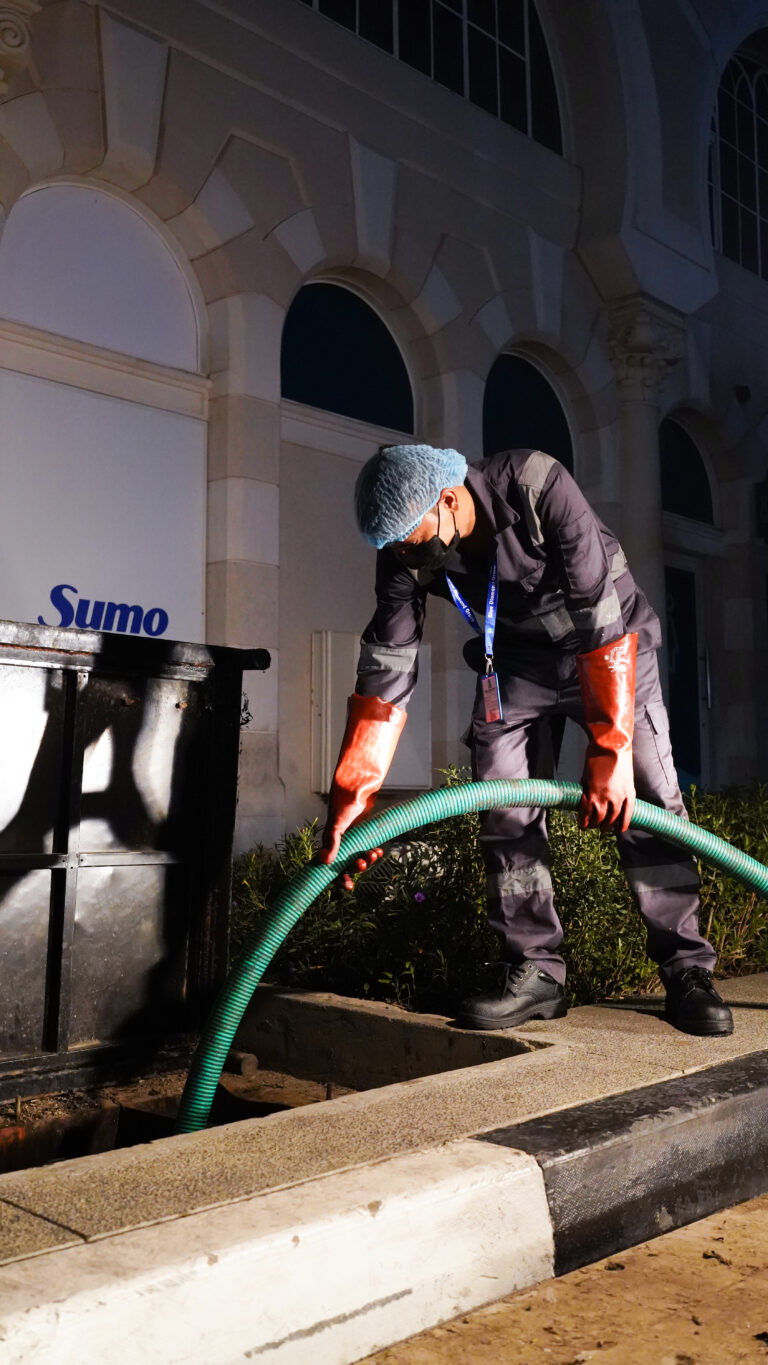
  • Full pump-out and safe transfer of grease trap waste to sealed containers.

  • Thorough interior cleaning of baffles and walls to remove hardened deposits.

  • Proper FOG waste disposal through licensed waste collectors with waste-transfer receipts.

  • Delivery of digital reports (photos and timestamps) for compliance records.

Choosing an experienced provider ensures grease trap waste is handled in line with environmental rules and municipal standards.

Maintenance Recommendations (UAE-Specific)

For food service establishments in the UAE:

  • Document every service: maintain signed service reports and waste-transfer notes for audits (Dubai Municipality, ADAFSA).

  • Set frequency by risk: weekly for high-volume kitchens, biweekly/monthly for moderate outlets, monthly or quarterly for low-output cafés.

  • Use licensed collectors: ensure FOG is disposed of or recycled according to UAE regulations.

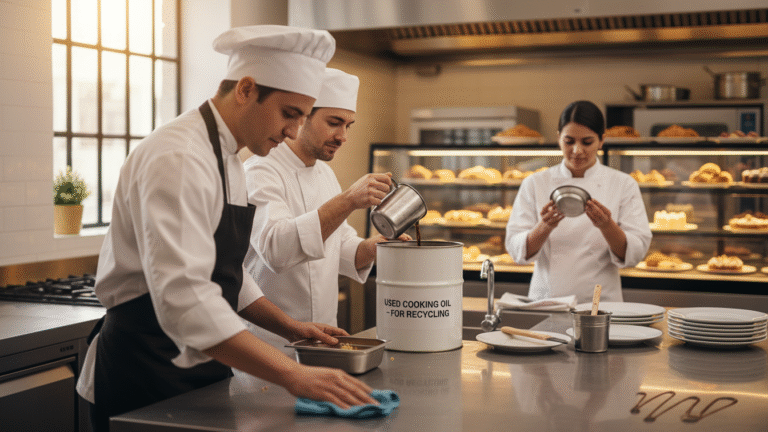
  • Train staff: teach scraping, sink strainer use and proper oil collection to reduce grease trap waste load.

Regular grease trap maintenance not only prevents blockages but also simplifies municipal inspections.

Cost-Saving Benefits of Proper Grease Waste Management

Investing in scheduled cleaning delivers measurable savings:

  • Lower emergency service fees and overtime costs.

  • Reduced frequency of pipe repairs and pump replacements.

  • Minimized revenue loss from downtime during peak service.

  • Fewer municipal fines and remediation orders.
    Over time, predictable maintenance budgets and reduced emergency expenses make professional grease trap cleaning a cost-effective strategy for any kitchen.

Compliance Requirements — Dubai Municipality & UAE Standards

UAE inspectors expect documented maintenance and lawful disposal of grease trap waste:

  • Maintain a cleaning schedule and signed reports.

  • Use licensed FOG collectors with proper waste-transfer documentation.

  • Ensure interceptors are accessible and sized per local guidelines.
    Non-compliance can result in fines, orders for corrective work, or temporary closure — making proper grease trap waste management a legal imperative.

Take Action to Protect Your Kitchen Drainage

Grease trap waste is a silent but serious risk to kitchen drainage, hygiene and business continuity. The pathway to reliable operations is simple: avoid common mistakes, detect warning signs early, and invest in licensed grease trap cleaning and scheduled maintenance. Doing so reduces drainage blockages, aligns your operation with UAE kitchen compliance, and saves money over time.

 Schedule a site audit with our licensed grease trap specialists today to assess your grease trap waste risk, receive a tailored maintenance plan, and secure documented, compliant cleaning services.

Most Frequently Asked Question

Grease trap waste is the mixture of fats, oils, grease and food solids collected by interceptors to prevent sewer blockages and protect kitchen drainage.

Grease trap waste adheres to pipe walls and forms sludge; over time this narrows pipe flow leading to slow drains, gurgling sounds and full blockages.

Cleaning frequency varies: weekly for high-volume kitchens, biweekly to monthly for standard restaurants, and monthly or quarterly for small cafés, adjusted after a site audit.

Enzyme treatments may reduce surface grease but cannot replace mechanical pump-outs and interior cleaning required to remove hardened grease trap waste.

Inspectors expect signed service reports, waste-transfer receipts from licensed collectors, and a maintained cleaning schedule for compliance verification.

Best practices include scraping food into bins, using sink strainers, collecting used oil separately, staff training, and scheduling licensed grease trap maintenance.

Our Services

Our step-by-step guide simplifies the cleaning process, ensuring a hassle-free experience while keeping your traps clean.

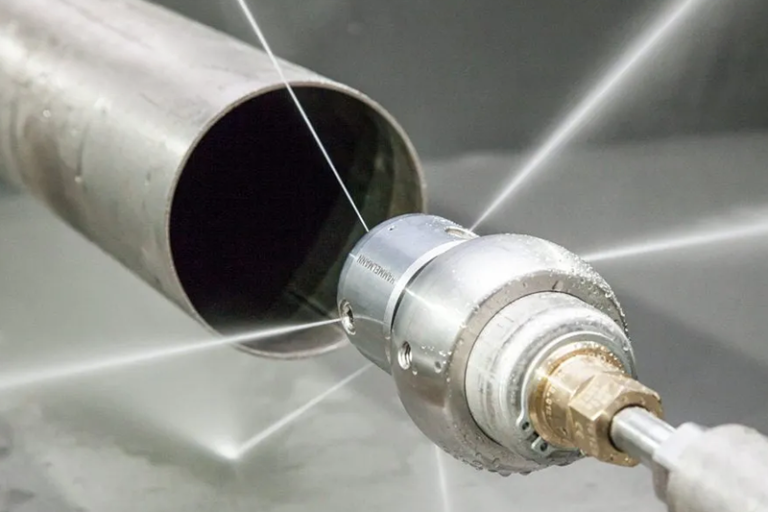
drain line jetting machine image

Drain Line Jetting

We deliver the best solution and provide a business strategy that makes you a full professional.
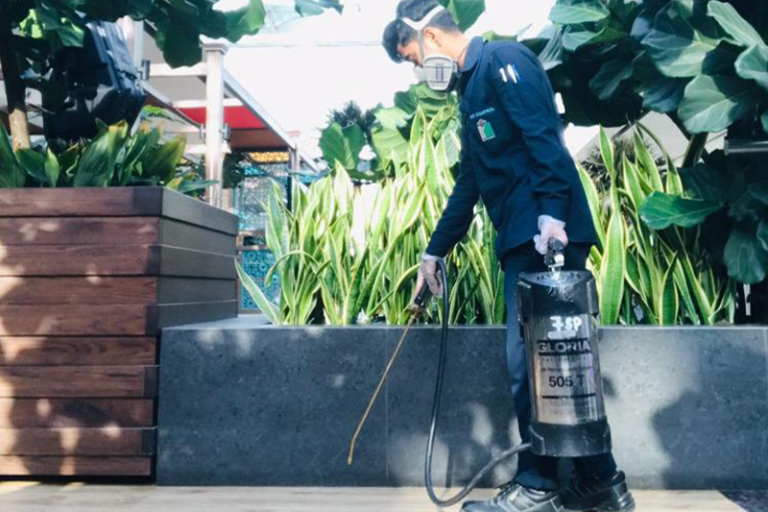
Man doing pest control with spray image

Pest Control Service

Pest control services are professional solutions offered to manage and eradicate pests that can pose a threat to property, health, or the environment.
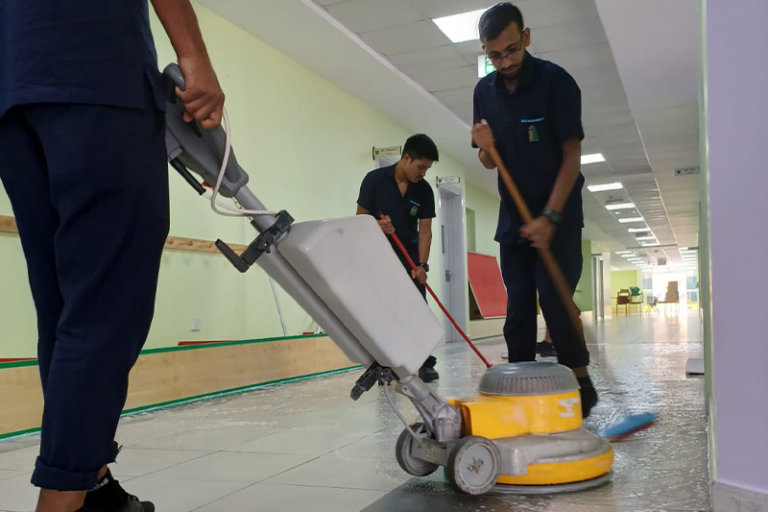
A group of people are providing deep cleaning service along with the dosing machine Image

Deep Cleaning

We deliver the best solution and provide a business strategy that makes you a full professional.

Why Choose Us

Grease Trap Cleaning UAE

28 years of expertise

Renowned name in facility management

New Technology

We are using latest techniques and technology

Customized Plans

We provide AMC & On call service

Satisfied Clients

40k+ clients trust our expertise

Book An Appointment Today

Blue Diamond would like to hear from you. if you have business inquiries. Get in touch with us.

Leave a Reply

Your email address will not be published. Required fields are marked *