Grease Trap Sizing Guide for UAE Restaurants & Cloud Kitchens — Pre-Opening Checklist

Getting grease trap sizing right before you open is one of the most cost-effective compliance actions a restaurant or cloud kitchen can take. This Grease Trap Sizing Guide for UAE Restaurants explains why size matters, what variables professionals use to calculate capacity, how cloud kitchens differ from traditional restaurants, and provides a practical pre-opening checklist to ensure municipal approval and uninterrupted operations.

An undersized grease trap quickly becomes a recurring operational problem: slow drains, foul odours, frequent pump-outs, and ultimately failed inspections. In the UAE those operational impacts become financial and reputational risks — inspections by Dubai Municipality and other emirate authorities increasingly require demonstrable grease control. Getting sizing correct at the design stage prevents costly redesigns, avoids opening delays, and protects both guests and plumbing infrastructure.

This guide provides pragmatic steps you can act on during the design and MEP review phases, so your project hits inspection requirements and opens on schedule.

Why proper grease trap sizing matters before you open

Grease Trap Sizing Guide for UAE Restaurants & Cloud Kitchens — Pre-Opening Checklist

What is a grease trap and how does sizing affect performance?

A grease trap (interceptor) separates fats, oils and grease (FOG) from wastewater so that oil does not enter the sewer network. Basic components and sizing concepts:

  • Flow rate (Q): the volume of wastewater entering the trap per unit time (litres/minute or L/s).

  • Retention/hold time (t): the time wastewater spends in the trap; adequate retention allows FOG to separate. Industry practice often targets a minimum retention time (commonly 20–30 minutes for small interceptors, though project conditions vary).

  • Grease storage capacity: the volume devoted to storing separated grease between service intervals.

Sizing is not a single number — it’s a balance between flow, retention, and practical service intervals. The Grease Trap Sizing Guide for UAE Restaurants emphasizes designing for expected peak flows, not daily averages.

UAE municipality expectations — design, documentation and approvals

Municipal inspectors typically review:

  • Approved plumbing drawings showing trap location and capacity.

  • Calculations used to size the trap (flow assumptions and retention time).

  • Access and maintenance clearances for pump-outs and inspections.

  • Maintenance plan and service frequency (to show traps will be cleaned on an operational schedule).

  • Proof that the interceptor type is suitable for the installation (above-ground vs underground, material, certification).

While specific forms and thresholds vary by emirate, the practical effect is the same: design defensible sizing and provide clear documentation. Early engagement with MEP consultants and municipal checklists reduces the risk of rework.

Grease Trap Sizing Guide for UAE Restaurants & Cloud Kitchens — Pre-Opening Checklist

Key factors that determine grease trap size

When preparing a grease trap design, the following variables must be considered and documented:

1. Number and type of fixtures

Count every sink, floor drain, dishwasher, pot sink, mop sink and any direct discharges. Each fixture contributes to peak flow and must be included in the flow calculation.

2. Type of food preparation and FOG load

A bakery, pastry shop or café (low FOG) has a different profile to a fryer-heavy kitchen (high FOG). Menu analysis drives expected grease generation.

3. Peak usage patterns

Design for peak flow — lunch or dinner service spikes — not average hourly flow. Cloud kitchens with concentrated delivery peaks may see extreme short-term loads.

4. Water flow rate assumptions

Consult manufacturer data and plumbing standards to convert fixture counts into litres per minute. Where uncertainty exists, use conservative (higher) flow rates to avoid undersizing.

5. Maintenance interval and grease storage

A trap sized for longer service intervals must provide higher storage capacity. For pre-opening planning, define the desired service frequency (weekly, biweekly) and size accordingly.

Simple sizing approach:

Below is a concise, professional approach commonly used by MEP teams. This is a conceptual workflow — always have a qualified engineer produce final calculations.

  1. Inventory fixtures — list each sink, dishwasher, floor drain, etc.

  2. Assign flow rates — use manufacturer or code tables to assign l/min values to each fixture.

  3. Calculate peak flow (Qpeak) — sum flows for the worst-case service scenario.

  4. Select retention time (t) — choose conservative hold time appropriate for use (20–30 minutes is common for small interceptors; consult project engineer).

  5. Compute required volume (V = Qpeak × t) — V is litres; convert to interceptor volume and check grease storage allowance.

  6. Review access and maintenance clearance — ensure trap location allows service and pump-out access without costly dismantling.

  7. Document assumptions — include all tables and references with the submission set for permitting.

This method produces a defensible result for your Grease Trap Sizing Guide for UAE Restaurants, but municipal reviewers expect a stamped calculation from an MEP consultant for final approval.

Grease trap sizing: cloud kitchens vs traditional restaurants

Cloud kitchens and multi-tenant kitchen hubs present specific challenges:

  • Concentrated loads: multiple brands operating back-to-back may produce peak flows far higher than a single restaurant.

  • Shared drains: a single interceptor downstream of multiple units multiplies compliance risk and requires conservative sizing and clear tenant agreements on maintenance.

  • Scalability: cloud kitchens should be designed with spare capacity or modular interceptors to accommodate rapid tenant turnover or menu changes.

For cloud kitchens, consider centralized pre-treatment (grease galleries or upstream separators) and redundant interceptor capacity to isolate tenants and simplify maintenance.

Common grease trap sizing mistakes to avoid

Avoid these frequent errors during the pre-opening stage:

    • Basing size on cost rather than calculated capacity. Underinvestment up front leads to higher lifecycle costs.

    • Using average flow instead of peak flow. That underestimates short bursts during service.

    • Ignoring future expansion. A kitchen growing its covers or adding fryers will overload an undersized trap.

    • Placing traps where they are inaccessible. Poor access increases maintenance costs and risks missed cleanings.

    • No documented assumptions. Inspectors expect clear calculation records, not verbal justification.

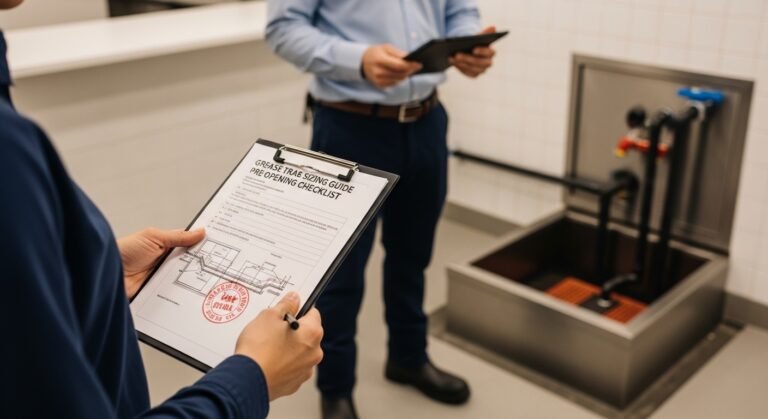
Pre-opening grease trap sizing checklist

Use this checklist during design and permit submission:

  1. Site assessment completed — confirm drainage layout and potential shared flows.

  2. Fixture inventory and flow table — detailed list with manufacturer flow figures.

  3. Peak scenario flow calculation — documented with conservative assumptions.

  4. Retention time selection & volume computation — included in design package.

  5. Trap model and capacity specified — manufacturer data and part numbers.

  6. Access and maintenance clearance verified — show service clearances on drawings.

  7. Maintenance schedule drafted — pump frequency and contract details.

  8. Document pack ready for submission — calculations, drawings, maintenance plan, and service provider details.

  9. MEP sign-off — stamped engineering drawings included.

  10. Pre-installation inspection scheduled — municipal pre-check to confirm layout before final installation.

Providing these documents with permit applications reduces review time and demonstrates due diligence.

What happens if your grease trap is undersized?

Consequences of undersizing are immediate and costly:

  • Frequent blockages and backups that disrupt service and damage reputation.

  • Hygiene and safety issues (odours, pests) that threaten food safety programmes.

  • Municipal rework orders or fines and delays in opening permits.

  • Reactive spending on emergency pump-outs and reinstallation that far exceeds the original sizing cost.

Design correctly to prevent these operational and regulatory headaches.

When to involve grease trap specialists and MEP consultants

Involve specialists early — during concept design — not after installation. Grease trap engineers, hydraulic consultants and experienced MEP designers can:

  • Provide accurate flow assumptions and retention time selection.

  • Recommend interceptor types (in-line, tank, or biological pretreatment) suitable for site constraints.

  • Plan for access, ventilation and odour control.

  • Coordinate requirements with local municipal application processes.

Early specialist involvement reduces the risk of non-conformance and supports an efficient pre-opening schedule.

sizing is a strategic decision, not a technical afterthought

This Grease Trap Sizing Guide for UAE Restaurants underscores a simple truth: correct sizing is foundational to operational reliability and regulatory compliance. Sizing decisions affect your opening timeline, maintenance cost profile and the long-term health of your kitchen plumbing. Treat sizing as a strategic design decision — engage experienced MEP consultants, document assumptions, and follow the pre-opening checklist to ensure a smooth path to permit and a reliable service life.

Ready to eliminate sizing risk? Book a pre-opening grease trap sizing assessment with our UAE compliance team — we’ll audit your layout, produce stamped sizing calculations, and prepare the municipality-ready documentation so you can open on time and with confidence.

Most Frequently Asked Question

Grease trap size is calculated based on peak wastewater flow rate, number of fixtures, food preparation type, and required retention time, following municipality-approved plumbing and MEP standards.

Yes. Proper grease trap sizing is required during the design and approval stage, and incorrect sizing can delay permits or result in redesign requests from Dubai Municipality.

Yes. Cloud kitchens often require larger or centralized grease traps due to shared drainage systems, higher peak loads, and multiple food concepts operating simultaneously.

Technically yes, but it is costly and disruptive. Retrofitting an undersized grease trap often involves plumbing rework, downtime, and additional municipality approvals.

An undersized grease trap may lead to non-compliance notices, fines, mandatory corrective work, or even temporary closure until the issue is resolved.


Grease trap sizing should involve MEP consultants, kitchen designers, and grease trap specialists to ensure compliance with UAE regulations and long-term operational reliability.

Our Services

Our step-by-step guide simplifies the cleaning process, ensuring a hassle-free experience while keeping your traps clean.

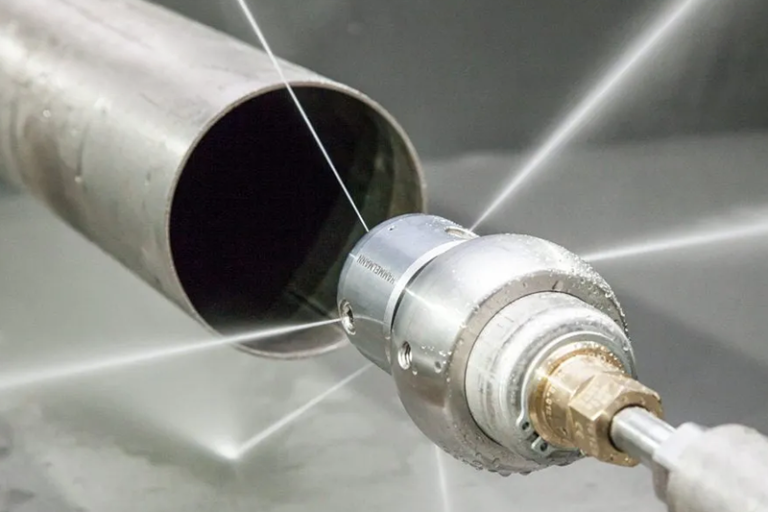
drain line jetting machine image

Drain Line Jetting

We deliver the best solution and provide a business strategy that makes you a full professional.
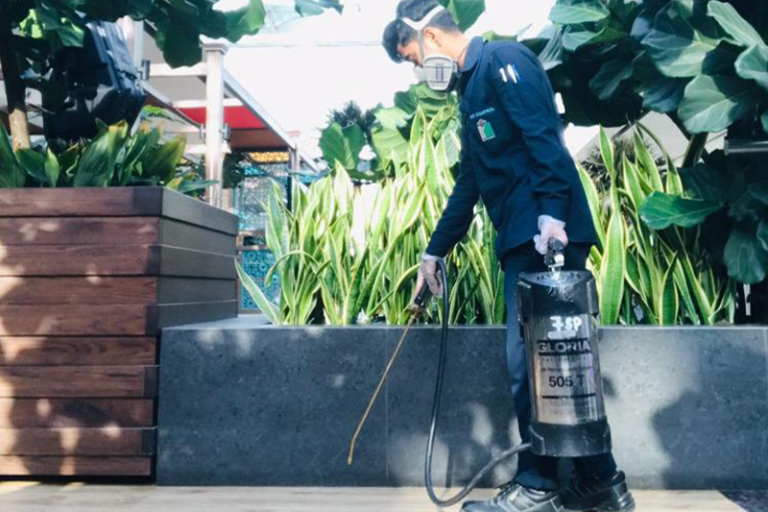
Man doing pest control with spray image

Pest Control Service

Pest control services are professional solutions offered to manage and eradicate pests that can pose a threat to property, health, or the environment.
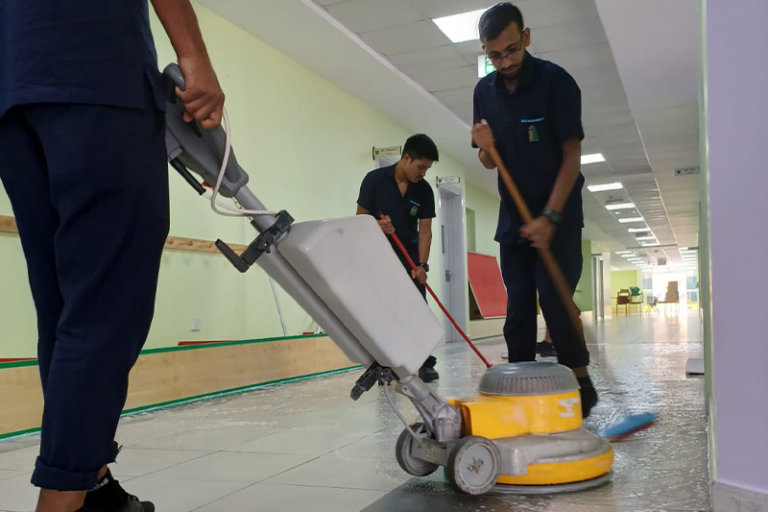
A group of people are providing deep cleaning service along with the dosing machine Image

Deep Cleaning

We deliver the best solution and provide a business strategy that makes you a full professional.

Why Choose Us

Grease Trap Cleaning UAE

28 years of expertise

Renowned name in facility management

New Technology

We are using latest techniques and technology

Customized Plans

We provide AMC & On call service

Satisfied Clients

40k+ clients trust our expertise

Book An Appointment Today

Blue Diamond would like to hear from you. if you have business inquiries. Get in touch with us.

Leave a Reply

Your email address will not be published. Required fields are marked *