Grease Trap Regulations in Dubai vs. Sharjah: The Ultimate Guide for Multi-Branch
Operating a multi-branch restaurant or commercial kitchen in the UAE is a significant logistical feat. However, the complexity increases when your operations span across emirate borders. Understanding the specific Grease trap regulations Dubai vs Sharjah is not just about legal compliance; it is about protecting your brand’s reputation and ensuring uninterrupted operations.
In the UAE, FOG (Fats, Oils, and Grease) management is a high-priority municipal mandate designed to protect the integrity of public sewage infrastructure. While the end goal—preventing environmental damage—is universal, the compliance frameworks in Dubai and Sharjah reflect distinct operational philosophies:
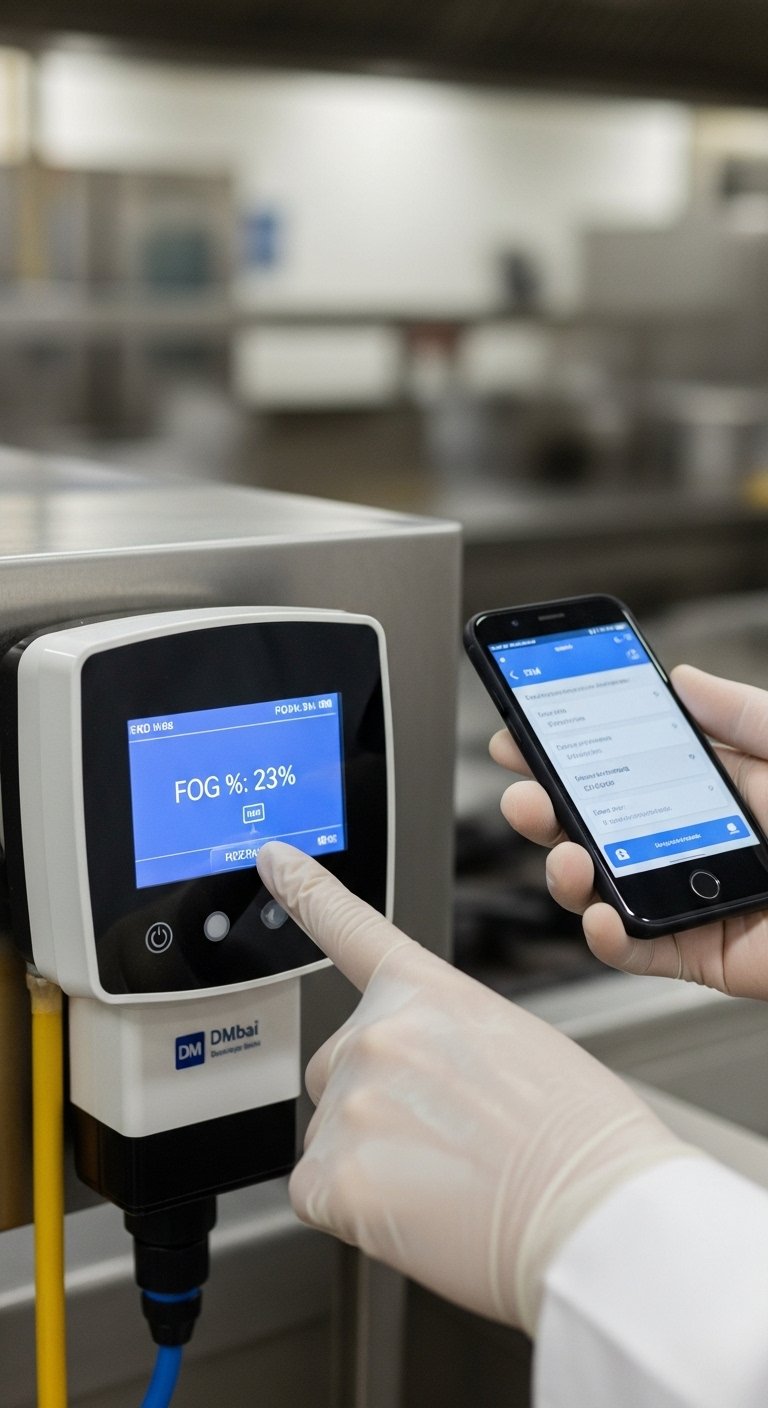
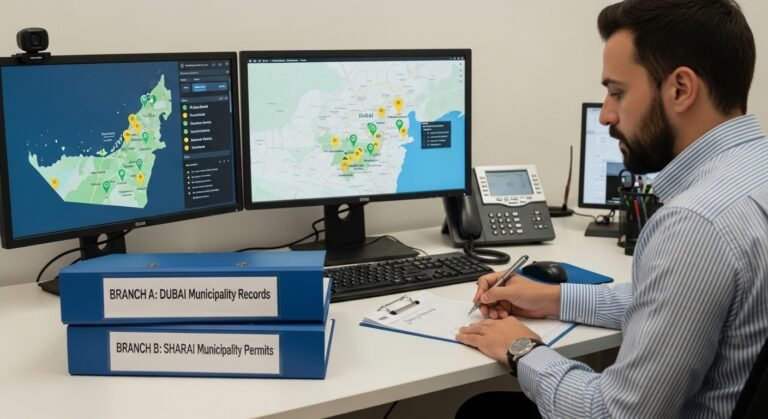
Dubai Municipality (DM): Driven by digital integration and smart monitoring, Dubai emphasizes the use of sensor technology to track grease levels in real-time. Compliance is verified through electronic logging and specialized portals to ensure data transparency.
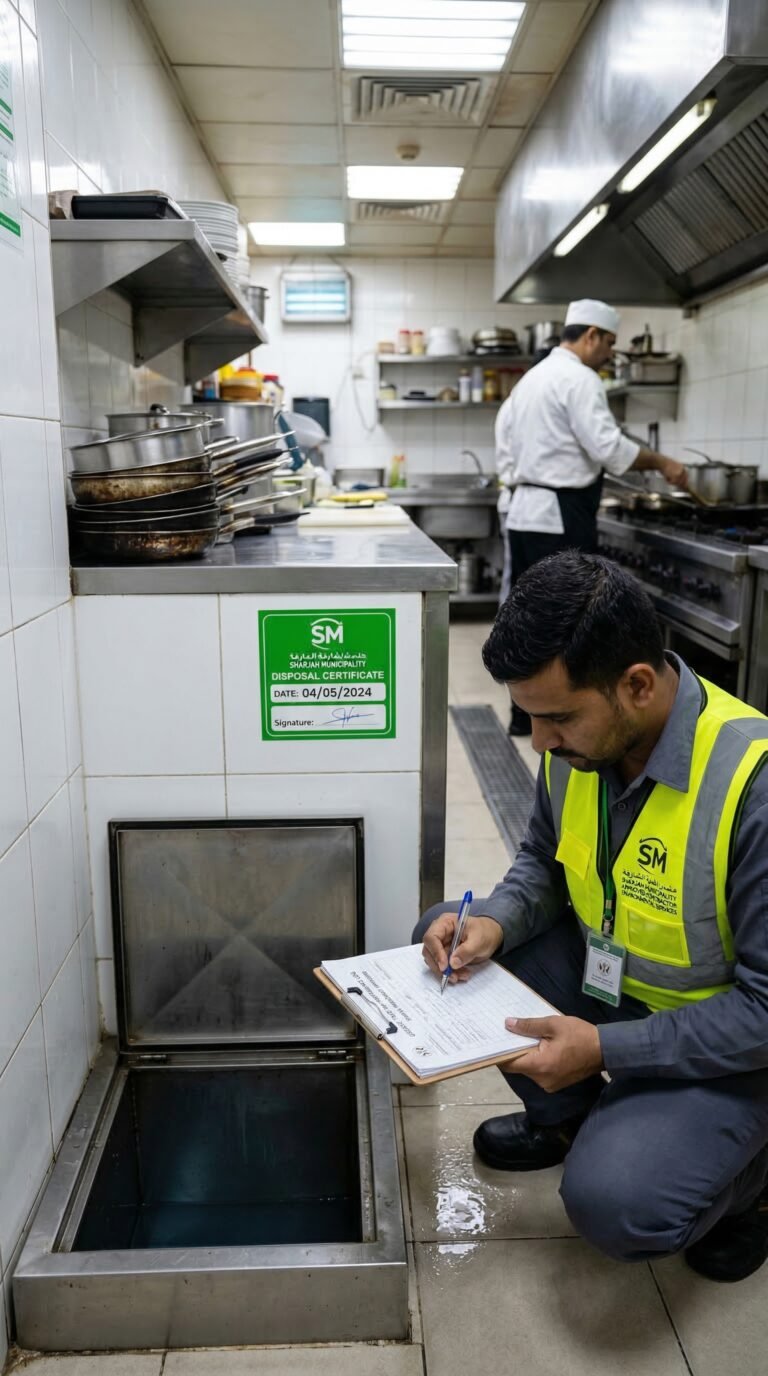
Sharjah Municipality (SM): Focused on physical verification and site audits, Sharjah requires strictly scheduled maintenance cycles. This is validated through mandatory “Green Disposal Stickers” and physical certificates issued by authorized environmental contractors.
For multi-branch operators, failing to navigate these regulatory nuances often results in heavy municipal fines and operational bottlenecks. A lack of localized alignment can stall trade license renewals and impact the overall bottom line of the business.
The Complexity of UAE FOG Management
Challenges for Multi-Branch Kitchens
When you manage a portfolio of kitchens, the “one-size-fits-all” approach to maintenance is a risk. A branch in Al Quoz, Dubai, must adhere to strict grease trap regulations Dubai, while your branch in Muwaileh must follow grease trap regulations Sharjah.
The main pain points for multi-location managers include:
Inconsistent SOPs: Kitchen staff moving between branches may confuse disposal protocols.
Audit Readiness: Being prepared for a surprise inspection in Dubai requires different documentation than in Sharjah.
Vendor Management: Coordinating different approved waste collectors across emirates.
Dubai vs. Sharjah: Key Regulatory Differences
Navigating grease trap regulations Dubai vs Sharjah requires a clear understanding of each municipality’s specific mandates. Below is a breakdown of the core differences:
| Feature | Dubai Municipality (DM) | Sharjah Municipality (SM) |
| Primary Authority | Drainage and Irrigation Department | Environmental Health Section |
| Digital Compliance | Heavy reliance on digital logs and smart monitoring. | Emphasis on physical disposal certificates and “Green Stickers.” |
| Cleaning Standards | Strictly volume-based; specialized sensors often required. | Scheduled periodic cleaning with approved contractors. |
| Permit Requirements | Integrated with food safety permits and trade licenses. | Separate environmental compliance certificates for waste disposal. |
Best Practices for 100% Compliance
To stay ahead of the authorities and ensure your multi-branch operations run smoothly, follow these three pillars of FOG management:
1. Centralized Documentation
Maintain a unified digital dashboard that stores your Dubai Municipality disposal records and your Sharjah Municipality green stickers. In the event of an inspection, having these files accessible via tablet or mobile can prevent a fine on the spot.
2. Standardized Staff Training
Implement a universal training program that covers the basics of FOG management, but includes “Emirate-Specific” modules. Staff should know that while the trap looks the same, the reporting frequency for grease trap regulations Dubai vs Sharjah may vary.
3. Professional FOG Audits
Relying on a general maintenance team is often not enough. Professional grease trap cleaning services that operate across the UAE understand the technical specifications required by both DM and SM, ensuring your traps are sized correctly and cleaned to municipal standards.
How to Avoid Municipal Fines in 2026
The UAE is moving toward smarter, more sustainable cities. This means inspections are becoming more data-driven. To avoid fines:
Never use unapproved waste contractors.
Ensure your grease traps are accessible for inspection at all times.
Keep a 12-month history of all cleaning and disposal activities.
Streamline Your Compliance Today
Managing a restaurant empire shouldn’t be stalled by drainage issues. Understanding grease trap regulations Dubai vs Sharjah is the first step toward a seamless, multi-emirate operation.
Is your kitchen audit-ready? Don’t wait for a municipal inspection to find out. We provide comprehensive FOG management and compliance audits for multi-branch kitchens across the UAE.
Contact our UAE Compliance Experts Today for a Free Site Assessment
Phone: +971 55 996 3058
Email: info@bluediamondfm.com
Most Frequently Asked Question
While both emirates focus on environmental protection, Dubai Municipality (DM) emphasizes digital logging and smart sensor integration for volume-based cleaning. In contrast, Sharjah Municipality (SM) often requires strictly scheduled maintenance backed by physical disposal certificates (Green Stickers) from approved environmental contractors.
According to Dubai Municipality standards, cleaning frequency is typically determined by the size of the trap and the volume of the kitchen's output. While many kitchens follow a monthly or quarterly schedule, heavy-use commercial kitchens may be required to clean traps more frequently to prevent FOG (Fats, Oils, and Grease) from entering the public sewage line.
Yes, usually. Because you must use municipality-approved contractors specific to each emirate, multi-branch operators often find it most efficient to partner with a single UAE-wide provider that holds valid permits for both Dubai and Sharjah. This ensures all disposal certificates are legally recognized by local inspectors.
Fines vary by emirate and the severity of the violation. Common penalties include fines for missing disposal records, using unauthorized waste collectors, or allowing FOG levels to exceed municipal limits. Repeated violations can lead to temporary kitchen closures and significant rebranding costs due to reputational damage.
Dubai is increasingly moving toward "Smart" infrastructure. While not mandatory for every single older establishment yet, many new commercial kitchen permits in Dubai now require the installation of grease traps equipped with sensors that monitor FOG levels in real-time to ensure precise, data-driven cleaning schedules.
The most effective strategy is to implement a Centralized Compliance Dashboard. By digitizing all DM and SM disposal permits and scheduling automated maintenance alerts, F&B directors can ensure that every branch—whether in Al Quoz or Muwaileh—is always audit-ready.
Our Services
Our step-by-step guide simplifies the cleaning process, ensuring a hassle-free experience while keeping your traps clean.
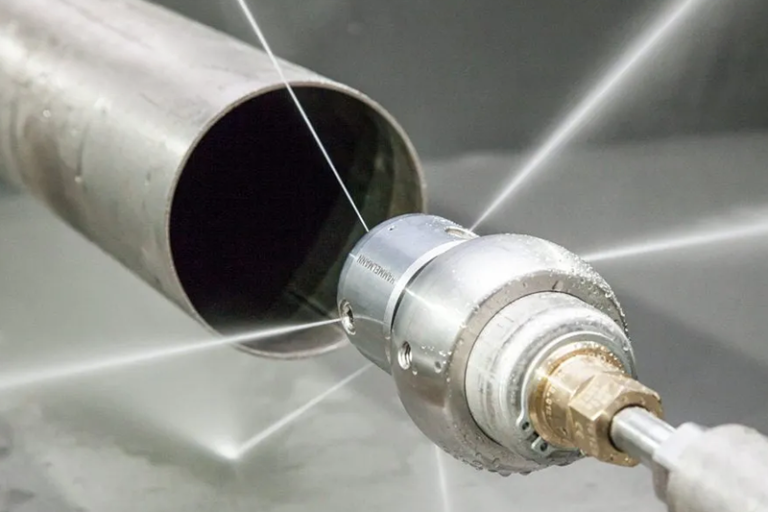
Drain Line Jetting
Pest Control Service
Deep Cleaning
business
Our Working Process
Let’s start the journey towards success and enhance revenue for your business. Take your company to the next level.
Book An Appointment Today
Blue Diamond would like to hear from you. if you have business inquiries. Get in touch with us.