Grease Trap Maintenance Best Practices for Shopping Malls in the UAE
A shopping mall food court is one of the hardest places in the country to manage grease. Dozens of tenants cook at once, they share risers and basement lines, service windows are narrow, and a single failure can take out every outlet on a floor on the busiest night of the week. When it goes wrong, customers smell it, tenants lose sales, and the mall’s operations team spends the night on the phone.
Good grease trap maintenance in a mall is therefore less about one trap and more about running a system: tenant traps, central interceptors, shared drainage, access rules, records and accountability. This guide sets out the best practices that keep that system working, for mall operators and the F&B tenants inside them.
A standalone restaurant has one kitchen, one trap and one landlord to answer to. A mall adds layers:
- Shared drainage: Multiple tenants discharge into common risers and basement lines, so one outlet’s neglect becomes everyone’s problem.
- Central interceptors: Many malls have large landlord-owned interceptors serving whole food courts, plus smaller tenant traps upstream.
- Concentrated peaks: Weekends, school holidays, Ramadan evenings and festival periods push food-court volumes far above average.
- Restricted access: Service lifts, loading bays, trading hours and security requirements limit when and how contractors can work.
- Mixed responsibilities: Who owns which trap, line and cost depends on the lease and the mall’s fit-out manual, and gaps between those responsibilities are where failures hide.
- High reputational stakes: An odor in a food court or a flooded service corridor is visible to thousands of shoppers within minutes.
These factors mean ad-hoc, tenant-by-tenant fixes rarely work. A mall needs a coordinated program.
Why Malls Are Different From Standalone Restaurants
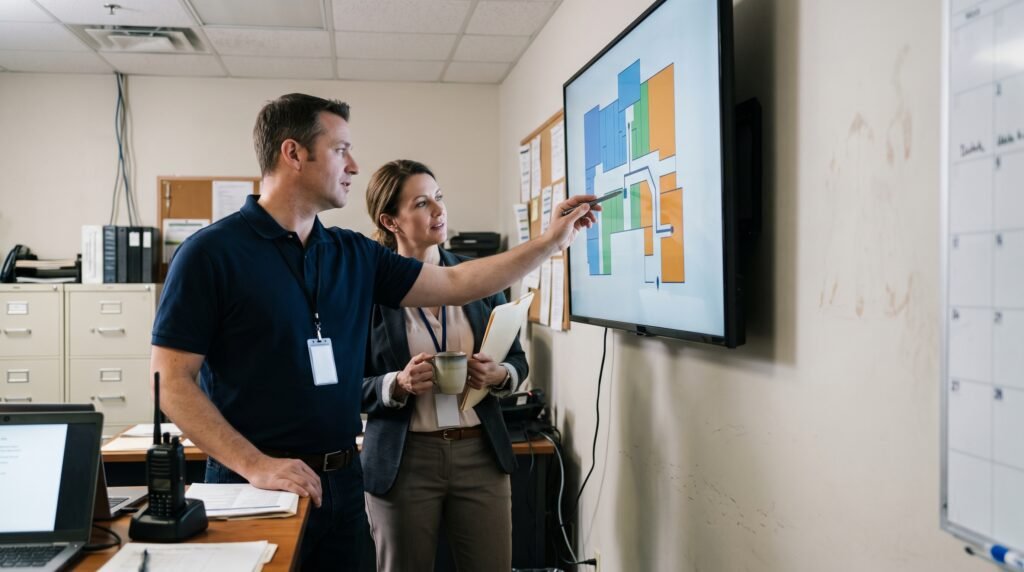
Before you can maintain anything, you need to know what exists. Build and keep current a grease system register covering:
- Every tenant grease trap, with location, size, type and access method
- Every central interceptor, with capacity, location and last service date
- The drainage lines and risers that connect them
- Floor drains, kitchen exhaust-related drainage and any pump stations
- Which party is responsible for each item (landlord, tenant or shared)
- Access constraints: lifts, keys, permits and working hours
Many malls discover during this exercise that some traps are undocumented, inaccessible or serving more units than they were designed for. Finding that out on paper is far cheaper than finding it out in an overflow.
A proper register also reveals patterns that would otherwise stay hidden — such as traps repeatedly overflowing due to upstream design flaws or shared lines that were never intended for F&B discharge. Once these issues are mapped, the landlord can prioritize corrective works, enforce compliance, and schedule preventive maintenance based on actual risk rather than assumptions. In the long run, a well‑maintained register becomes the backbone of any effective grease management strategy.
Best Practice 1: Map the Whole Grease System
Best Practice 2: Make Responsibilities Explicit
Ambiguity causes more failures than equipment does. Spell out who does what, in the lease, the tenant handbook and the fit-out manual. An illustrative matrix:
| Item | Typically Responsible | Confirm In |
|---|---|---|
| Tenant grease trap inside the unit | Tenant | Lease and fit-out manual |
| Tenant trap cleaning schedule and records | Tenant (often with landlord audit rights) | Tenant handbook |
| Central/communal interceptor | Landlord or mall operator | Operating agreement |
| Shared risers and basement lines | Landlord or mall operator | Operating agreement |
| Access to traps for servicing | Shared; landlord controls building access | Fit-out manual |
| Cost recovery for central works | Per service charge terms | Lease |
| Authorised waste disposal | Whoever commissions the service | Contract |
Treat this as a template to check against your own documents, not a rule. The important point is that every item has a named owner.
Best Practice 3: Set Tenant Standards at Fit-Out
The cheapest grease trap maintenance is the problem you design out. At fit-out approval, check that each food tenant has:
- A correctly sized trap: for the menu, seating and equipment, not a generic under-sink unit
- Accessible installation: with clear space for pumping and inspection
- Approved materials and connections: that match the mall’s specification
- Floor drains and pre-rinse sinks routed through the trap
- Documented maintenance obligations: accepted in writing before they trade
Undersized or inaccessible tenant traps are the most common root cause of mall-wide drainage problems, and they are far easier to fix on drawings than after opening.
Best Practice 4: Set the Cleaning Frequency by Load, Not by Habit
Frequency should follow grease output. As a starting point:
| Outlet Type in a Mall | Typical Tenant Trap Interval |
|---|---|
| High-volume fried or grilled food court units | Every 2–4 weeks |
| Standard sit-down restaurants | Every 4–6 weeks |
| Cafés, bakeries and low-oil outlets | Every 6–8 weeks |
| Kiosks and beverage outlets | Every 6–8 weeks, subject to inspection |
| Central interceptors serving food courts | Often more frequent than any single tenant trap, set by measured accumulation |
Your approved conditions and local authority guidance may set specific intervals, so follow those first. Then tune the schedule with data: record how fast each trap fills over its first few cycles and adjust. A cleaning interval set once and never reviewed is a guess.
Best Practice 5: Schedule Around Mall Operations
A technically perfect service done at the wrong time causes its own problems. Plan around:
- Off-hours working: usually late night or early morning, when shoppers and staff are absent
- Service lift and loading bay bookings: made in advance and confirmed by the operations team
- Waste routing: along approved corridors that respect fire egress and keep clear of public areas
- Peak avoidance: with extra cycles before known high-volume periods rather than after
- Contractor access control: including permits, ID checks, induction and escorted entry where required
- Noise and odor control: with sealed containment and tidy hose management
Document the routing and timing so every contractor works to the same rules.
Best Practice 6: Treat Central Interceptors as Critical Plant
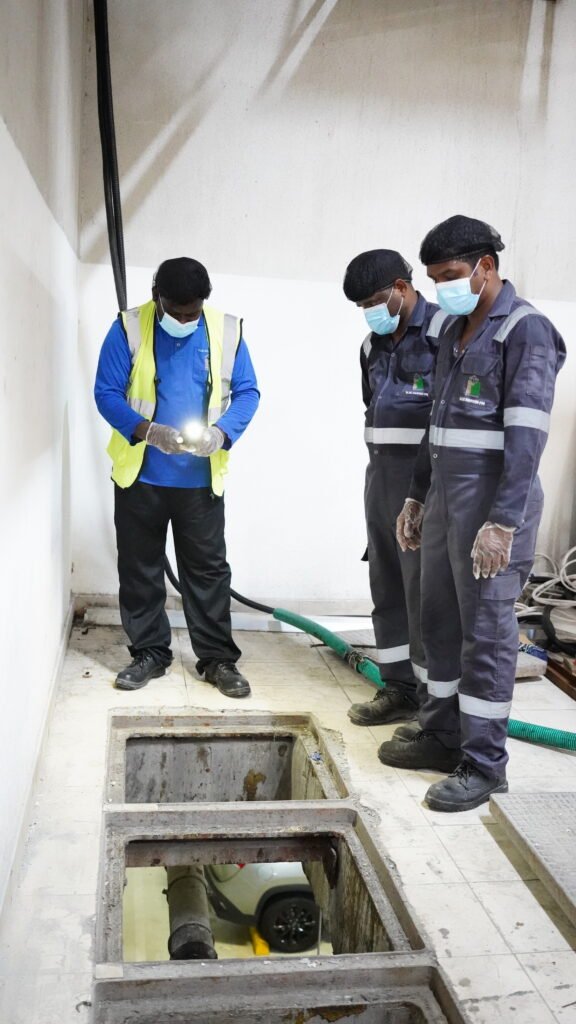
A central interceptor serving a food court is not a “set and forget” item. Treat it like any other critical plant:
- Inspect on a fixed cycle: with measured grease and solids levels recorded
- Service when measured levels reach your set threshold: not only on the calendar
- Check inlet and outlet pipework: baffles, seals and access covers for wear
- Test alarms and level sensors: where fitted
- Keep a spare-parts and contractor-response plan: for failures
- Review capacity: whenever the food court layout or tenant mix changes
A central interceptor failure affects every outlet connected to it, so it deserves the most rigorous grease trap maintenance in the building.
Best Practice 7: Keep Records That Prove It
Inspectors, auditors, insurers and your own tenants all want evidence. For every service, retain:
- A dated service report: per trap or interceptor
- Waste disposal or transfer records: from an authorized provider
- Before-and-after photographs
- The contractor’s license details: and insurance
- Defects found and actions taken
- A running log: per trap showing intervals and trend
A single shared platform or register, accessible to the facilities team, beats scattered paperwork. Done well, it also lets you spot a tenant whose trap is filling unusually fast before it causes a blockage.
Best Practice 8: Audit Tenants Regularly
Tenant compliance should be verified, not assumed. A simple audit cycle:
- Quarterly record checks: do tenants hold current service certificates and disposal records?
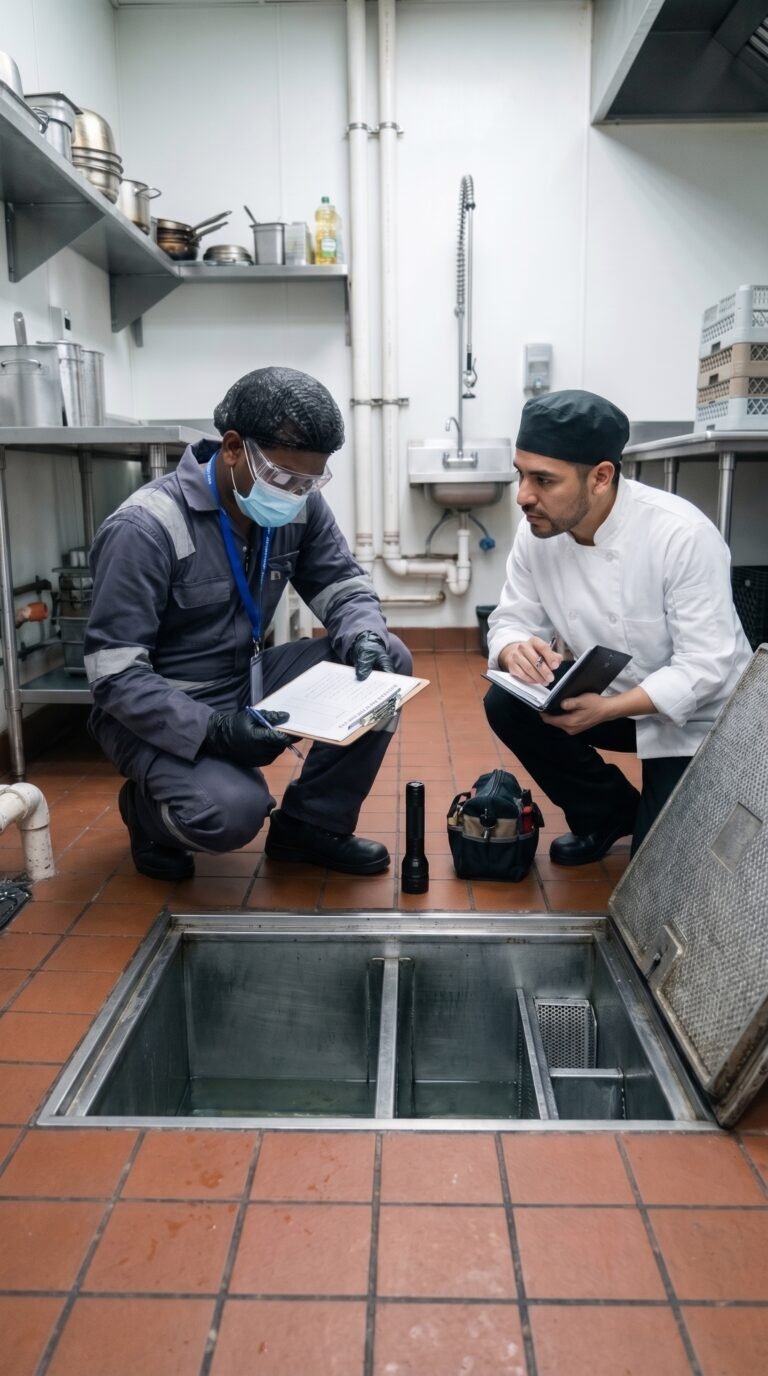
- Spot inspections: physical checks of trap condition and access
- Trend review: which tenants’ traps fill fastest, and are their intervals right?
- Corrective action notices: with deadlines for non-compliance
- Escalation steps: for repeat failures, aligned with lease terms
Auditing is also a service to good tenants, because it prevents a neighbour’s neglect from disrupting everyone.
Best Practice 9: Control What Enters the System
The most effective grease trap maintenance reduces the load before it reaches the trap. Build these into tenant induction and ongoing communication:
- Scrape plates and pans into bins before washing
- Fit and clean sink strainers
- Never pour used cooking oil down any drain, and arrange a collection service for it
- Keep dishwasher and pre-rinse discharge routed through the trap
- Wipe heavily greasy cookware before washing
- Don’t use chemicals or enzymes as a substitute for cleaning, since they can carry grease further down the line
A short laminated checklist in every food-court kitchen costs almost nothing and pays for itself quickly.
Best Practice 10: Plan for Peaks and Emergencies
Malls don’t run at average load. Prepare for the extremes:
- Pre-peak servicing: add cycles before Ramadan, school holidays, shopping festivals and major events
- A defined emergency procedure: who to call, response-time commitments, how to isolate affected areas and how to communicate with tenants
- An emergency contractor on standby: with pre-approved building access
- Spill and odor response kits: for service corridors
- Post-incident review: to learn why it happened and prevent a repeat
Agree emergency response times in writing with your contractor, and test the process at least once a year.
Best Practice 11: Choose a Contractor Built for Malls
Mall work demands more than a truck and a hose. Look for a provider that can show:
- Authorised disposal and a license for the activity: with records for every collection
- Experience in malls and shopping centres: with references from comparable sites
- Capacity to service many outlets in a single night: without cutting corners
- Familiarity with building access rules: permits, inductions and lift bookings
- Multi-trap reporting: in one consistent format
- A clear emergency response commitment
- Public liability insurance: suited to working in public buildings
See our guide to choosing a grease trap contractor for a fuller checklist, and our guide to annual maintenance plans for how a mall-wide contract can be structured.
Common Mistakes in Mall Grease Management
- No single register: of traps, interceptors and responsibilities
- Relying on tenants to self-manage: with no audits
- Servicing by habit: rather than measured accumulation
- Ignoring the central interceptor: until it fails
- Booking access at the last minute: leading to missed or rushed services
- Accepting undersized tenant traps: at fit-out
- Skipping disposal documentation
- No emergency plan: for the busiest nights
Put the Whole System on a Schedule
Effective grease trap maintenance in a shopping mall means a register of what exists, clear responsibilities, standards at fit-out, measured service intervals, careful scheduling around operations, rigorous records and a plan for peaks and emergencies. Do those well and the system stays invisible to shoppers, which is exactly how it should be.
Book a free mall drainage assessment today. Blue Diamond Team team will review your tenant traps, central interceptors and access arrangements, and propose a documented maintenance program built around your operating hours, for shopping malls and retail developments anywhere in the UAE.
Contact us today on WhatsApp | Call | Email
Phone: +971 55 996 3058
Email: info@bluediamondfm.com
Most Frequently Asked Question
It depends on the lease and the mall's operating arrangements. Tenants are usually responsible for traps within their units, while the mall operator typically manages central interceptors and shared lines. Check your lease and fit-out manual, and make sure every trap has a named owner.
High-volume fried or grilled outlets often need service every two to four weeks, with standard restaurants every four to six weeks. Central interceptors serving food courts are usually serviced more frequently, ideally based on measured accumulation rather than a fixed date alone.
Every outlet connected to it can be affected, with backups, odors and possible closures. That's why central interceptors should be inspected on a fixed cycle, monitored and covered by a clear emergency response plan.
Dated service reports for every trap and interceptor, authorized waste disposal records, contractor license and insurance details, and a log of defects and corrective actions. Confirm the exact requirements for your premises with the relevant authority.
Set tenant standards at fit-out, run induction and refresher training on kitchen practices, audit compliance regularly and make used-oil collection easy. Reducing the load is the cheapest form of grease trap maintenance.
Our Services
Our step-by-step guide simplifies the cleaning process, ensuring a hassle-free experience while keeping your traps clean.
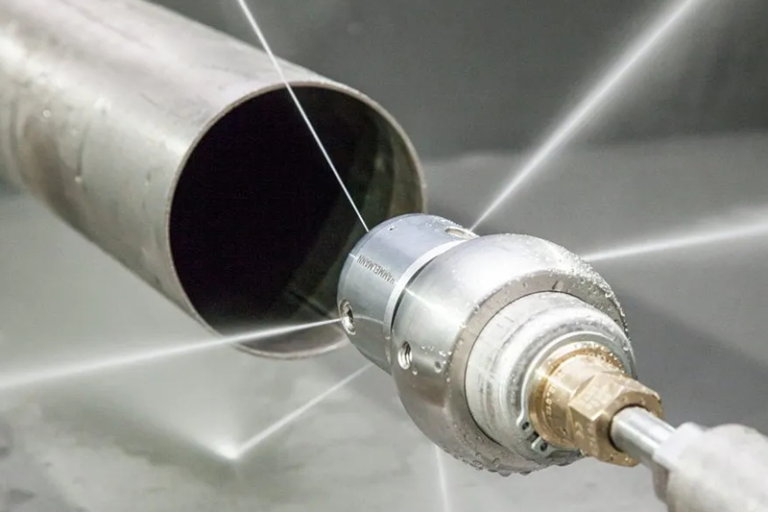
Drain Line Jetting
Pest Control Service
Deep Cleaning
business
Our Working Process
Let’s start the journey towards success and enhance revenue for your business. Take your company to the next level.
Book An Appointment Today
Blue Diamond would like to hear from you. if you have business inquiries. Get in touch with us.