

Grease Trap Cleaning Quotes: 6 Factors That Change Your Final Price

Ask three grease trap contractors for a quote on the same restaurant and you’ll often get three numbers that look nothing alike. One is suspiciously cheap, one is mid-range, and one is nearly double the first. Restaurant owners and facilities managers frequently conclude that the market is arbitrary or that someone is overcharging.

Usually, neither is true. Grease trap cleaning quotes differ because the quotes aren’t actually describing the same job. This guide explains the six factors that genuinely drive the final price, so you can read any quotation critically, ask the right questions, and compare offers on equal footing.

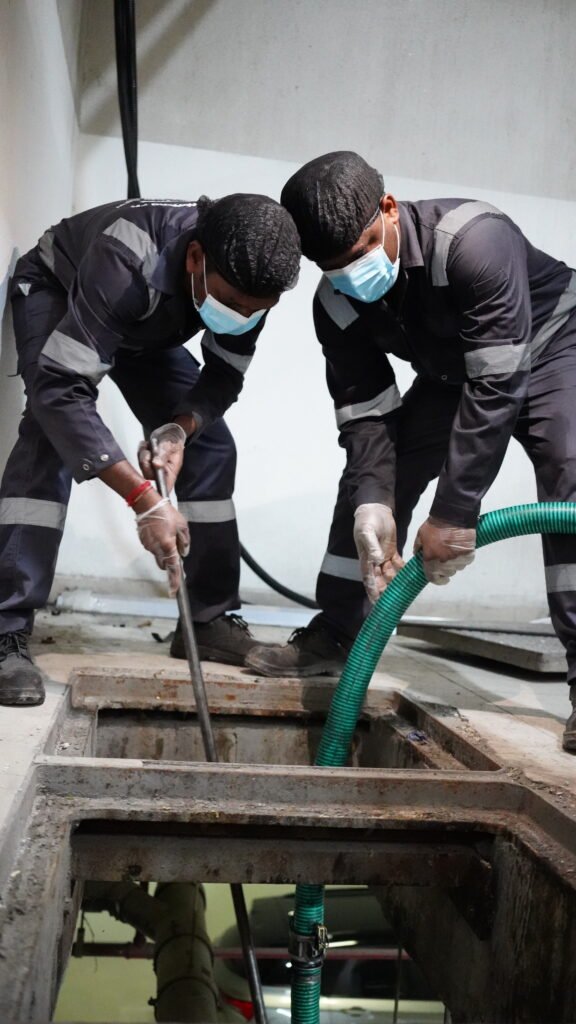
A grease trap service looks simple from the outside: a truck arrives, the trap is pumped out, the contractor leaves. In practice, the scope hidden behind that single visit can differ enormously. One contractor may pump only the liquid layer; another removes the full grease cap, scrapes the walls, flushes the outlet line, cleans the baffles, inspects the unit, disposes of the waste through a licensed facility, and issues a compliance certificate. Both call it “grease trap cleaning.” The price gap between them is largely a scope gap.

Understanding the six factors below turns a confusing set of numbers into a comparison you can actually make.

Factor 1: Grease Trap Size and Capacity

The single most direct price driver is how much material the contractor has to remove, handle and dispose of.

  • Under-sink or small units: hold relatively little and can be serviced quickly, often without a vacuum truck.
  • Mid-size in-ground or floor units: typical of standard restaurants require a vacuum tanker and a longer visit.
  • Large external interceptors: serving hotels, food courts or industrial kitchens involve significant volumes and heavier equipment.

Disposal is charged by volume in most cases, so a larger trap costs more per visit even before any other variable is considered. When you request grease trap cleaning quotes, always state the trap’s capacity (or let the contractor measure it on a site visit) rather than describing it vaguely as “a restaurant trap.”

Why Grease Trap Cleaning Quotes Vary So Much

Grease Trap Cleaning Quotes: 6 Factors That Change Price

Factor 2: Service Frequency and Contract Type

How often the trap is cleaned changes the per-visit price in two opposite ways.

Frequent, scheduled cleaning: keeps the trap from filling with hardened, compacted grease, so each visit is faster and cleaner. Contractors price this work lower per visit because it is predictable and easier to schedule into a route.

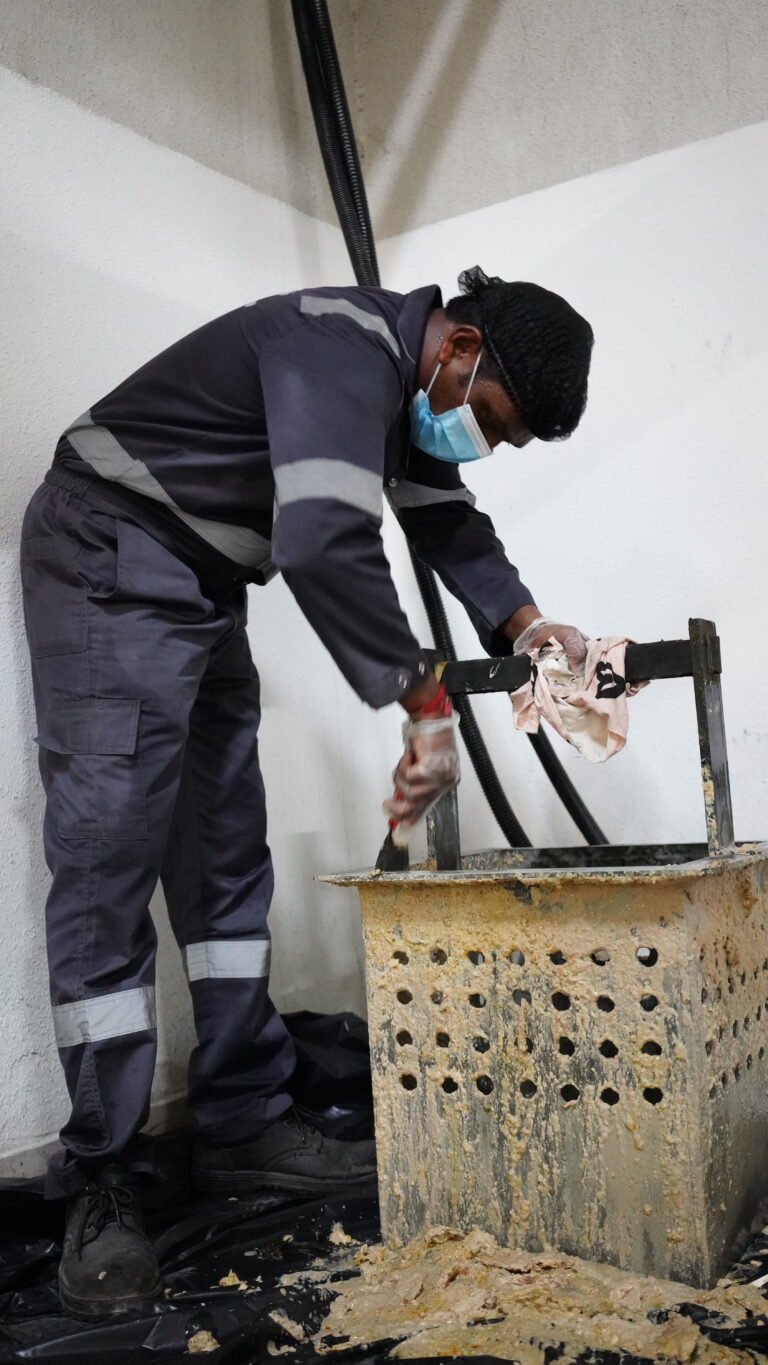
Infrequent or reactive cleaning: means each visit deals with a heavily loaded trap, solidified grease and sometimes blockages. It takes longer, uses more labour and disposal capacity, and is priced accordingly.

This is why an Annual Maintenance Contract (AMC) almost always works out cheaper per visit than ad-hoc calls. Contractors discount for guaranteed recurring work, and you avoid emergency call-out premiums. When comparing grease trap cleaning quotes, check whether each price is a one-off rate or a per-visit rate inside an annual contract, because the two are not comparable.

Factor 3: Kitchen Type and Grease Load

Two restaurants with identically sized traps can generate very different amounts of fat, oil and grease (FOG). The nature of the kitchen matters:

Kitchen TypeTypical FOG Load
Fast food, fried chicken, shawarmaVery high
Grill-heavy or buffet restaurantsHigh
Standard full-service restaurantsModerate
Cafés and bakeriesLow to moderate
Cloud kitchens with multiple brandsHigh (combined output)

A high-FOG kitchen fills its trap faster, needs more frequent service, and produces denser, harder-to-remove waste. Contractors factor this into pricing, and a quote that ignores your cuisine type is a quote made without information. Be honest about your cooking methods when requesting a price; understating your grease load only leads to an inaccurate quote followed by a revised one.

Grease Trap Cleaning Quotes: 6 Factors That Change Price

Factor 4: Access, Location and Building Constraints

Where the trap sits and how difficult it is to reach can move the price significantly, especially in the UAE’s mix of standalone restaurants and high-rise buildings.

Easy access: a ground-level trap in an external service yard with direct truck access is the cheapest scenario.

Difficult access: a trap in a basement, a tight plant room, or a kitchen on an upper floor of a tower requires longer hoses, manual carrying or freight lift coordination. Building management approvals, restricted service hours and loading bay bookings all add time and cost.

Location: travel distance from the contractor’s base, and whether the site is in a congested area such as a busy mall or dense commercial district, can also affect the quote, particularly for out-of-hours work.

If your trap is hard to reach, say so up front. Contractors who quote without seeing the site often add access surcharges afterward.

Factor 5: Scope of Service Included

This is the factor most responsible for the mismatch between quotes. Two grease trap cleaning quotes with very different totals often reflect very different scopes. Check whether each quotation includes:

  • Full pump-out of liquid, solids and the grease cap, not just skimming the surface
  • Wall and baffle scraping and cleaning
  • Outlet and inlet pipe flushing to clear the connecting lines
  • Visual inspection of the unit’s condition, seals and covers
  • Licensed disposal of the waste at an approved facility
  • Waste transfer documentation for compliance records
  • A dated service certificate after every visit
  • Photographic evidence of before-and-after condition

A lower price frequently means several of these are missing. A trap that is only partly emptied fills up again quickly, and missing documentation can leave you exposed during an inspection. When comparing quotes, list what each one includes line by line rather than comparing only the bottom-line figure.

Factor 6: Compliance Documentation and Disposal Standards

The final factor is the least visible and often the most important. Legitimate grease trap servicing involves regulated disposal: waste must go to a licensed facility, and the contractor must hold the appropriate trade and waste-handling permissions. Doing this properly costs money, which is a major reason bargain quotes exist.

Ask every contractor:

  • Are you licensed to transport and dispose of FOG waste?
  • Where does the waste go, and can you provide a disposal manifest?
  • Will I receive a certificate after each service that satisfies municipality and audit requirements?

A contractor who cuts corners on disposal can quote well below the market, but the risk falls on you. Improper dumping traced back to your premises can carry penalties, and missing paperwork can cause you to fail an inspection even if the trap itself was cleaned. Compliance is part of what you are paying for, not an optional extra.

How to Compare Grease Trap Cleaning Quotes Fairly

Use this simple process to get a genuine like-for-like comparison:

  1. Give every contractor the same information: trap size, kitchen type, operating hours, access conditions and required frequency
  2. Request an itemised quotation: rather than a single lump figure
  3. Confirm whether the price is per visit or per contract, and over what term
  4. Check the scope line by line: against the list in Factor 5
  5. Verify licensing and disposal arrangements: for each provider
  6. Ask about call-out charges: for emergency visits outside the schedule
  7. Request references: from restaurants of similar size and cuisine
  8. Compare total annual cost, not just the price of a single visit

An honest quotation is one you can explain to your finance team line by line. If a contractor cannot break down what you are paying for, treat that as information about the service you will receive.

Red Flags in a Quotation

  • A price far below every other quote for supposedly the same scope
  • No mention of disposal, certificates or waste manifests
  • Vague wording such as “cleaning as required” with no defined scope
  • Pressure to pay a large sum upfront or to sign immediately
  • Unwillingness to inspect the trap before quoting
  • No written terms for emergency call-outs or missed visits
  • Inability to show a valid trade licence and relevant waste-handling permissions

Get a Transparent, Itemized Quote

Grease trap cleaning quotes only make sense when you know what is behind the number: trap size, frequency, kitchen type, access, scope and compliance. Once you compare on those six factors, the price differences between contractors stop looking arbitrary and start looking explainable.

Request a free, itemized quotation. Blue Diamond team will assess your trap and kitchen, explain every line of the price, and set up a documented cleaning schedule with certified disposal, anywhere across the UAE.

Contact us today on WhatsApp | Call | Email

Phone: +971 55 996 3058

Email: info@bluediamondfm.com

Most Frequently Asked Question

Usually because the scope differs. The cheaper quote may cover only a partial pump-out, exclude disposal paperwork, skip the inspection, or omit the service certificate. Compare the itemized scope before comparing the price.

In most cases, yes. Contractors discount recurring work because it is predictable and allows efficient route planning, and you avoid emergency call-out premiums. Confirm whether the quote is per visit within a contract or a one-off rate.

Yes. High-FOG kitchens such as fried food and grill-heavy outlets fill traps faster and produce denser waste, which increases labour and disposal costs and usually calls for more frequent service.

Often, yes. Basement traps, upper-floor kitchens, tight plant rooms and buildings requiring freight lift bookings or restricted service hours add time and complexity, which contractors reflect in their pricing.

At minimum, a dated service certificate and a waste transfer or disposal record for every visit. These are what you present to inspectors and auditors, and their absence should make you question a quote.

You can get an estimate, but an accurate quotation generally requires the contractor to see or measure the trap and understand access conditions. Be cautious of firm fixed prices given entirely over the phone with no information about your setup.

Our Services

Our step-by-step guide simplifies the cleaning process, ensuring a hassle-free experience while keeping your traps clean.

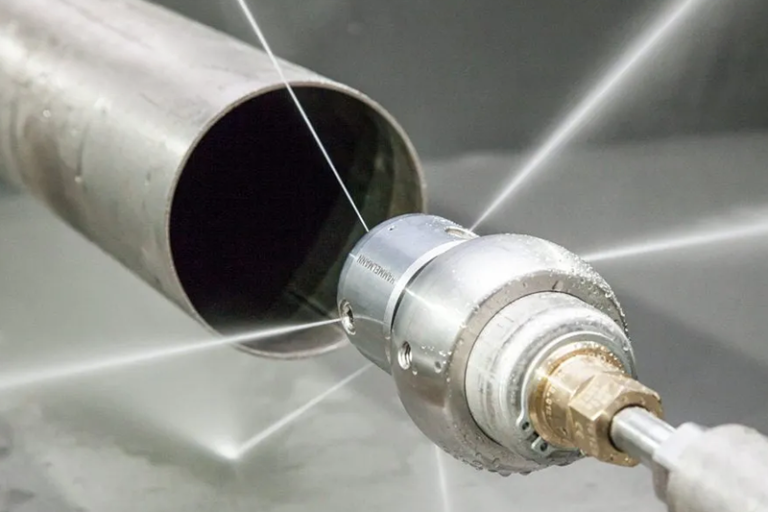
drain line jetting machine image

Drain Line Jetting

We deliver the best solution and provide a business strategy that makes you a full professional.
Man doing pest control with spray image

Pest Control Service

Pest control services are professional solutions offered to manage and eradicate pests that can pose a threat to property, health, or the environment.
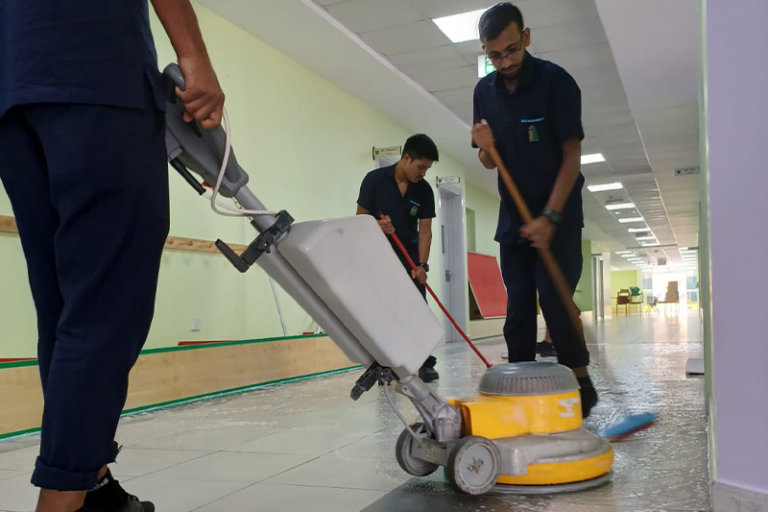
A group of people are providing deep cleaning service along with the dosing machine Image

Deep Cleaning

We deliver the best solution and provide a business strategy that makes you a full professional.

Why Choose Us

Grease Trap Cleaning UAE

31 years of expertise

Renowned name in facility management

New Technology

We are using latest techniques and technology

Customized Plans

We provide AMC & On call service

Satisfied Clients

40k+ clients trust our expertise

Book An Appointment Today

Blue Diamond would like to hear from you. if you have business inquiries. Get in touch with us.

Leave a Reply

Your email address will not be published. Required fields are marked *