Grease Trap Records: Why They Are Essential for UAE Municipality Inspections
Municipality inspectors increasingly demand clear, verifiable proof that food-service operators manage fats, oils and grease correctly. For restaurants, hotels, cafés and facility managers across the UAE, well-kept Grease Trap Records are no longer optional — they are the first line of defence against fines, re-inspections and operational disruption. This article explains what grease trap records are, which documents inspectors expect, common record-keeping mistakes, and simple steps facility teams can take to stay inspection-ready.
What are Grease Trap Records? — A concise definition
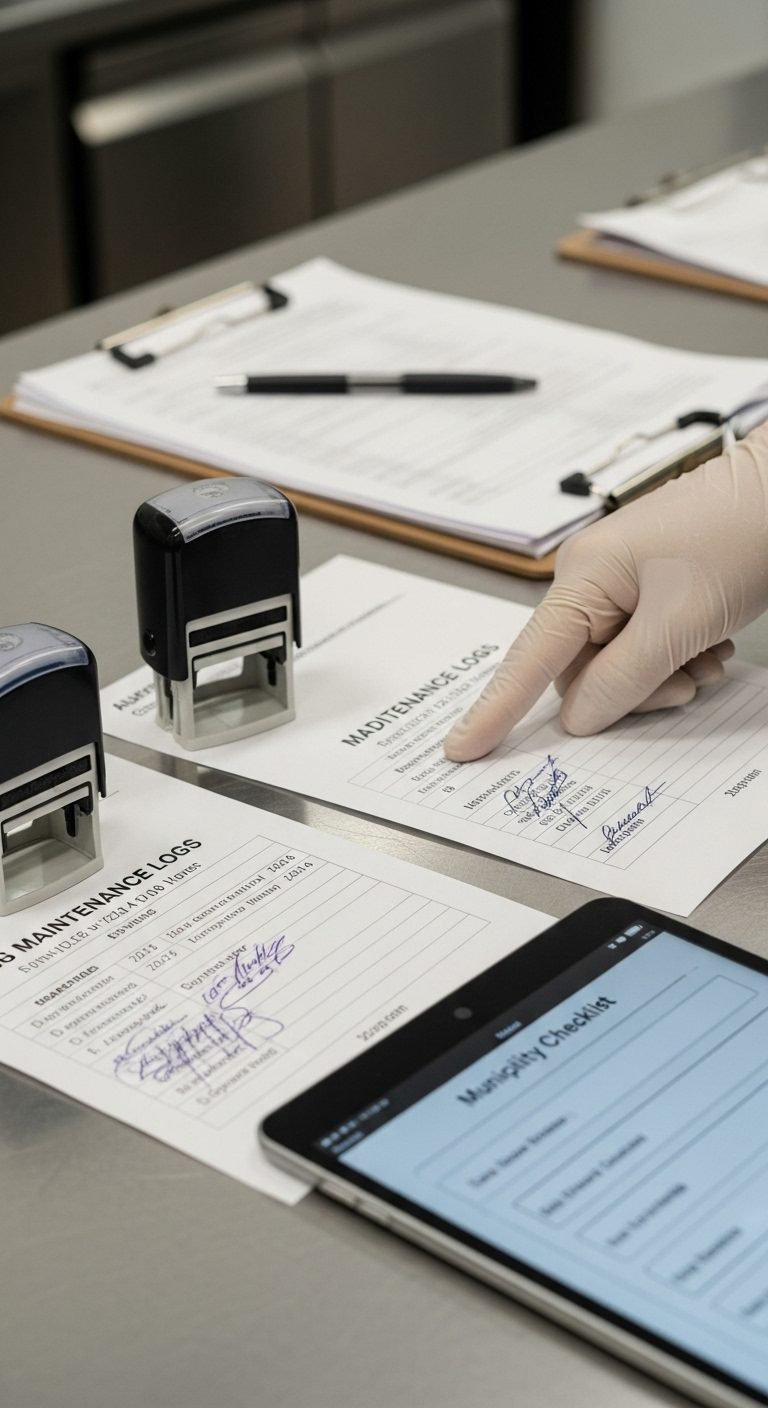
Grease Trap Records are the documented evidence that a kitchen’s grease interceptors have been installed, inspected, cleaned and disposed of according to regulatory and environmental standards. Typical records include service logs, waste-transfer receipts, contractor service certificates and photographic proof of interior cleaning.
Why UAE municipalities require grease trap documentation
UAE municipalities — including Dubai Municipality, Abu Dhabi Food Control Authority (ADAFSA-related regimes) and Sharjah Municipality — enforce grease control to protect sewer networks, public health and marine environments.
Key municipal concerns:
-
Protect sewer infrastructure: FOG buildup causes blockages and sewer overflows.
-
Protect public health: contaminated wastewater increases disease risk and pest activity.
-
Environmental responsibility: licensed disposal and recycling help meet sustainability targets.
Inspectors focus on documentation because the records prove a business is operating responsibly and following grease trap compliance UAE requirements.
Documents inspectors commonly request
-
During an inspection, municipal officers expect to see concise, dated, and signed records. Presenting complete grease trap documentation speeds the process and lowers the chance of follow-up actions.
Essential items:
-
Cleaning and maintenance logs with dates, times and technician signatures.
-
Service certificates issued by the licensed provider.
-
Waste-transfer receipts / manifests showing licensed disposal or recycling.
-
Trap sizing and installation drawings (when applicable).
-
Photographic evidence of trap interior before/after cleaning.
-
Published maintenance schedule and SOP for kitchen staff.
Keep digital copies and a printed binder for inspectors — both are acceptable in most UAE audits.
-
Common consequences of incomplete or missing grease trap records
Poor records are treated as evidence of negligence by enforcement officers. Consequences include:
-
Fines or penalties under municipal codes.
-
Remediation orders requiring immediate, costly corrective action.
-
Temporary closure until compliance is proven.
-
Repeat inspections and administrative overhead.
-
Reputational damage with corporate clients or hotel guests.
Maintaining complete grease trap maintenance records prevents these outcomes and demonstrates due diligence.
How correct record-keeping supports compliance and operations
Good records are not just for inspectors — they improve operations and procurement.
Operational benefits:
-
Faster inspections and fewer re-attendances.
-
Data-driven scheduling that optimizes cleaning frequency and reduces emergency pump-outs.
-
Reduced TCO (total cost of ownership) through preventive maintenance rather than reactive repairs.
-
Clear audit trail for multinational hotel and restaurant chains.
A well-structured records system makes UAE municipality inspections predictable, not disruptive.
Best practices for managing grease trap records
Adopt a simple, practical system that your team can sustain.
-
Standardize formats. Use the same log template for every site (date, time, technician, volume removed, photos).
-
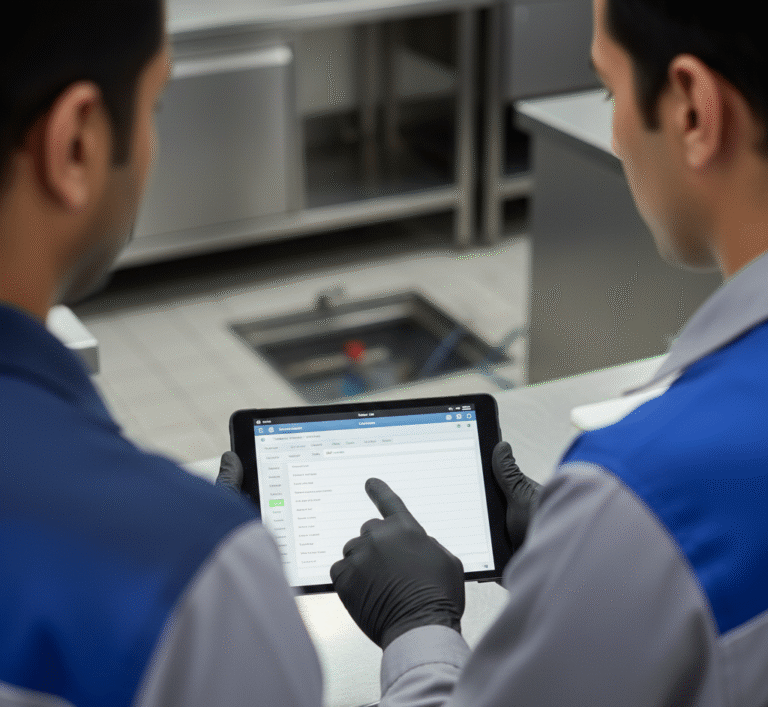
Digitize records. Use a cloud logbook or mobile app to capture time-stamped photos and signatures.
-
Retain records. Keep records for at least 2–5 years depending on local guidance; consult municipal schedules.
-
Link service receipts. Always attach waste-transfer documents to the corresponding service entry.
-
Schedule internal audits. Monthly spot checks reduce the risk of gaps before official inspections.
-
Train staff. Ensure kitchen teams understand daily controls (strain screens, scraping) that reduce FOG input.
Digital vs manual records — what facility managers should choose
Digital record keeping offers clear advantages for facility managers in the UAE:
-
Time-stamped entries reduce disputes about when work occurred.
-
Photo attachments provide visual proof of interior condition.
-
Central access for corporate audit teams and franchise managers.
-
Automated reminders help schedule next service.
Manual logs work, but they create friction when inspectors want fast verification. Where possible, transition to a digital system that stores PDFs of manifests and generates inspector-ready reports.
How professional service providers simplify compliance
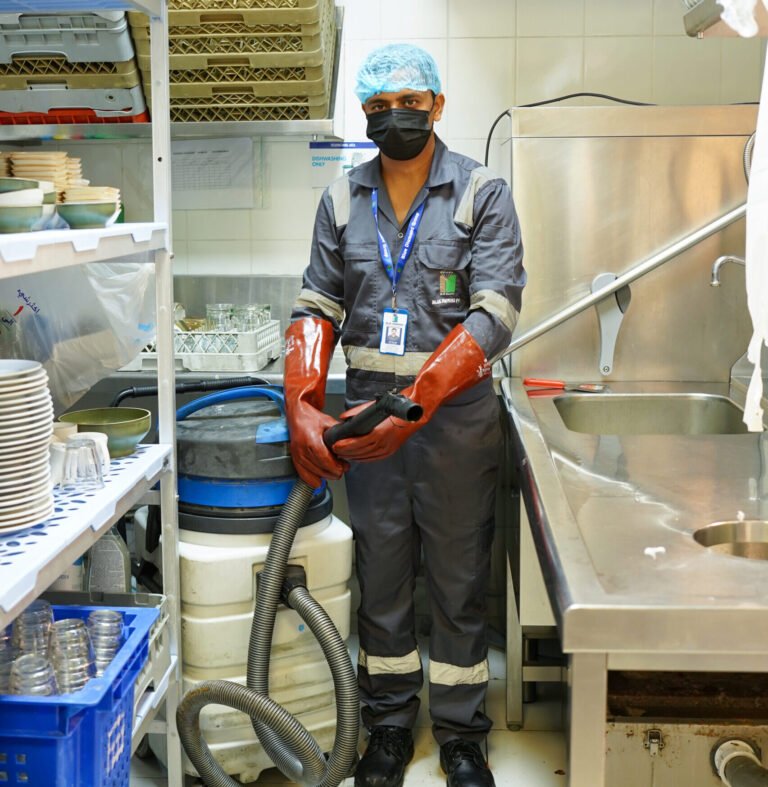
Licensed grease trap service providers deliver municipality-ready documentation as standard practice. When contracting a provider, confirm they will supply:
-
Signed service reports with technician identification.
-
Waste-transfer manifests that reference the receiving facility’s license.
-
Photo evidence and digital delivery of reports.
-
A clear SLA (response times, frequency, emergency cover).
Working with licensed contractors reduces your administrative burden and strengthens your defense during inspections — a practical step for any risk-sensitive facility manager.
Common mistakes to avoid when keeping grease trap records
Avoid these recurring errors that cause inspection failures:
-
Incomplete entries: missing dates, volumes or technician details.
-
Disconnected documents: service log separated from the waste manifest.
-
Unlicensed contractors: using vendors without proper FOG disposal credentials.
-
Short retention: discarding records before municipal minimums.
-
No photo evidence: relying solely on handwritten notes.
Fix these issues with a simple records policy and periodic internal audits.
records protect your business and streamline inspections
Grease Trap Records are a compliance tool and an operational asset. Accurate, accessible documentation reduces the risk of fines, speeds UAE municipality inspections and demonstrates your commitment to environmental stewardship. Facility managers who standardize records, digitize logs and work with licensed service providers protect operations, reputation and bottom line.
If you’d like a municipality-ready records template or a free site audit, our licensed service team can deliver sample service reports and help set up a digital maintenance log tailored to Dubai, Abu Dhabi or Sharjah requirements. Contact us to book an inspection-readiness review.
Most Frequently Asked Question
Grease trap records are documents proving the cleaning, maintenance and lawful disposal of FOG from interceptors; they typically include service logs, waste manifests and photos
Yes. Digital records are widely accepted if they are time-stamped, include photos and are backed by waste-transfer receipts from licensed collectors.
Keep records for at least 2–5 years depending on municipal guidance; verify with your local municipal office for exact retention requirements.
Missing records commonly result in fines, remediation orders or re-inspection; maintaining complete records reduces these risks.
Reputable, licensed providers routinely supply signed service reports, photo evidence and waste-transfer receipts suitable for municipal audits.
Yes. While the core requirement is the same—maintaining regular cleaning and maintenance logs with proof of licensed FOG waste disposal—each municipality applies its own procedures. Inspection frequency, documentation formats, and enforcement practices may vary, so businesses should follow local municipality guidelines or work with a licensed service provider that delivers municipality-ready records for each emirate.
Our Services
Our step-by-step guide simplifies the cleaning process, ensuring a hassle-free experience while keeping your traps clean.
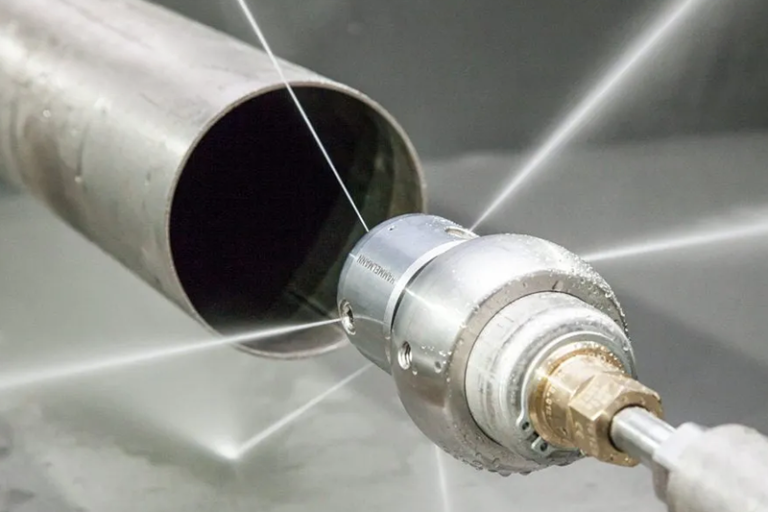
Drain Line Jetting
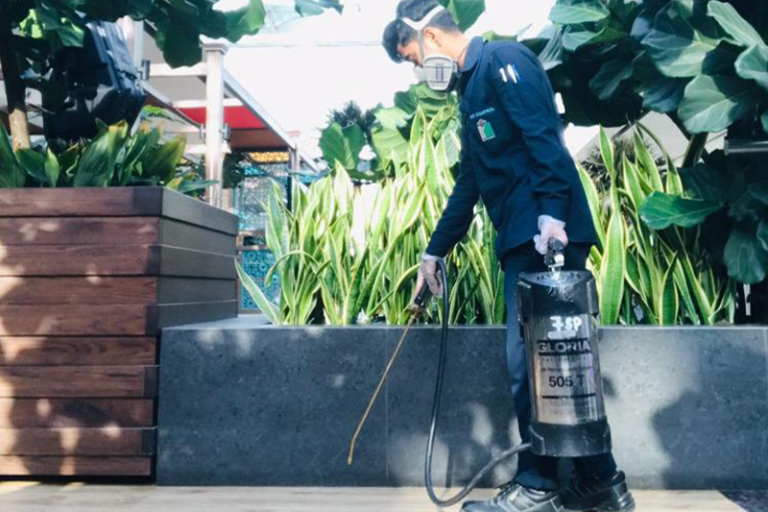
Pest Control Service
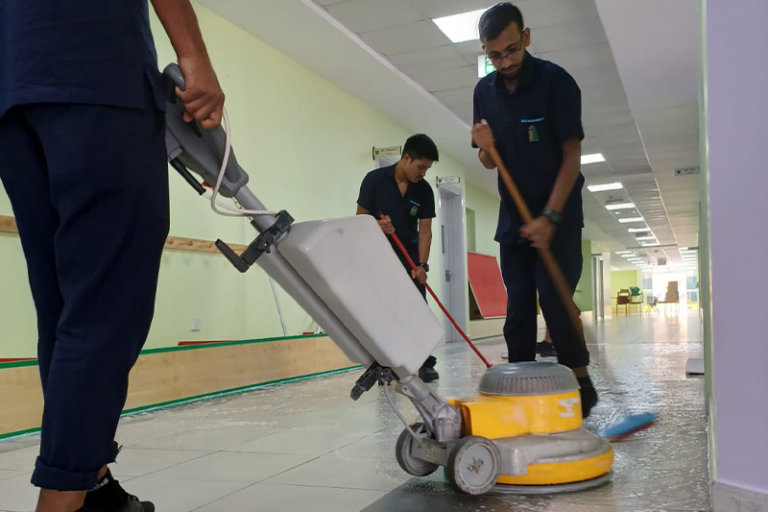
Deep Cleaning
business
Our Working Process
Let’s start the journey towards success and enhance revenue for your business. Take your company to the next level.
Book An Appointment Today
Blue Diamond would like to hear from you. if you have business inquiries. Get in touch with us.